Sleep tracking: useful patterns without treating scores as diagnoses
September 30, 2026 · 4 min read
Updated: 2026-09-30
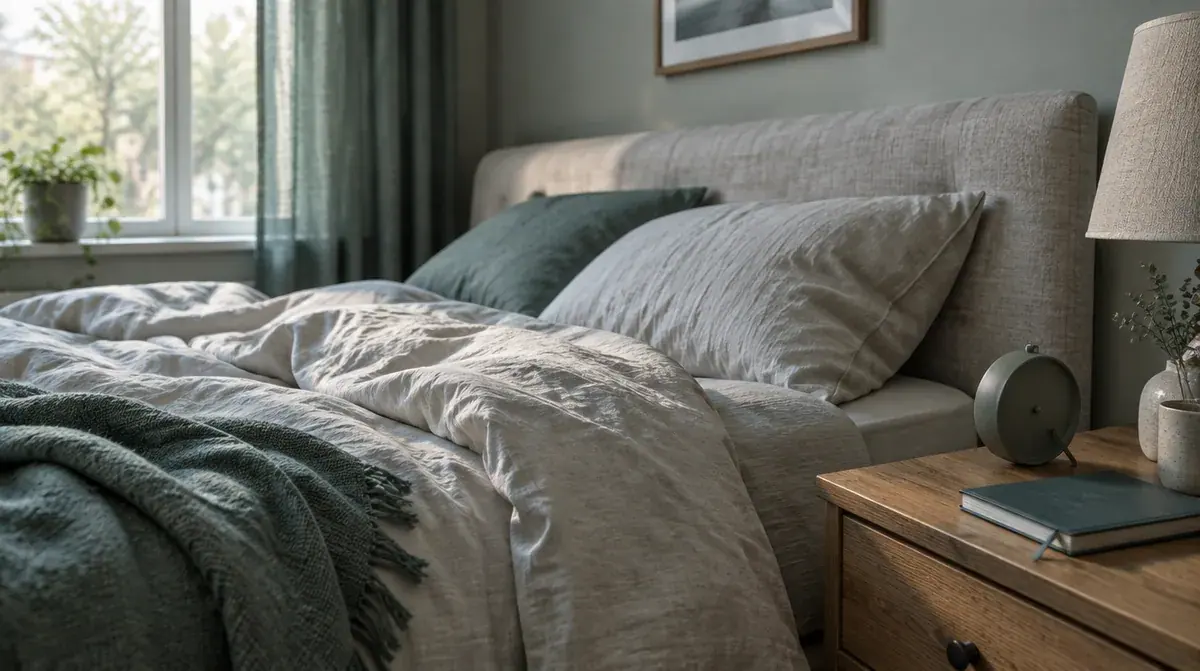
A sleep monitor can make patterns easier to notice: irregular bedtimes, interruptions or a change during travel. Its value comes from how you use that information, not from collecting the highest possible score. Before buying a wearable or bed sensor, decide what question it should answer and whether you can review the information without making sleep feel like an examination.
Published by Five Elements · wellness equipment supplier
What can consumer devices estimate?
A recent review of real-world studies found more useful estimates for broad sleep duration than for detailed stages or wake periods. Accuracy varied, and clinical populations were less studied. A device infers sleep from its sensors and algorithm. It does not directly observe every sleep stage in the way a full clinical assessment can.
Why one night should not decide your health
Movement, wearing position, the sleeping environment and data gaps can affect interpretation. Check whether the device was actually recording before reacting to a surprising graph. Compare similar circumstances over time rather than treating one number as a verdict. If the software changes, keep that change in mind when comparing older and newer reports from the same product.
Choose an everyday question
A useful question might be whether your schedule becomes more irregular on workdays or whether a new bedroom arrangement is easier to live with. Change one practical habit at a time and record how you feel during the day. An improved graph without a meaningful improvement in daily life is not automatically a benefit worth pursuing.
Can more tracking make the routine less helpful?
Notice whether looking at results helps you make reasonable decisions or leads to repeated checking and worry. You can reduce notifications, review less frequently or stop tracking if the process becomes unhelpful. A device is optional. It should support a manageable routine, not turn every waking moment or change in an estimated stage into a problem to solve.
Which symptoms matter more than the score?
Repeated breathing pauses, gasping during sleep and persistent daytime sleepiness deserve medical assessment. A reassuring consumer score does not rule out sleep apnoea. Bring relevant observations and device reports if useful, but do not wait for a particular app alert before discussing symptoms. A clinician decides which testing is appropriate for the person and situation.
Does a wellness monitor diagnose a sleep disorder?
Check the exact intended use and evidence for the specific feature. Some regulated functions have defined uses; those permissions do not extend automatically to every sensor or app screen. Clinical discussion can use consumer observations as context. Ask whether any claimed detection feature has been validated for your population and setting instead of accepting a general statement that the device is medical-grade.
What should you compare before purchasing?
For a wrist device, consider fit, charging and whether you will wear it consistently. For a bed sensor, confirm mattress compatibility, placement, power and how shared sleeping is handled. Request a sample report, export options and subscription terms. Check who receives the data, how records can be deleted and whether useful basic information remains available without an ongoing service.
How can a wellness property use the idea responsibly?
Offer an optional tool with clear consent and boundaries, rather than ranking guests by health. Do not present staff interpretations as diagnoses. For an enquiry in Indonesia, describe the intended user, sleeping setup and information needed. Choose the equipment only after reviewing a real report; a detailed-looking dashboard is not itself proof of better sleep or better health.
Choose equipment
Research and sources
About this guide and its sources
Five Elements publishes these guides to help compare equipment and plan its use. Research findings apply to the devices, participants and conditions studied. Model specifications and operating instructions must be checked for the version offered. Any individual treatment decision belongs with an appropriately qualified professional.
Dates above identify publication and substantive updates. Linked sources let you inspect the evidence; catalogue cards show current equipment prices. To report an error or request a model document, contact Five Elements with the page address and equipment name.
Benefits, evidence and practical guides

Sleep diary and tracker: how to make your nightly data useful
A sleep tracker is most useful when its trend is read alongside your routine and how you feel. Here is a simple way to turn nightly numbers into a clearer picture.
Read the guide →

Sleep tracker or sleep apnea test: what is the difference?
A nightly chart can reveal a pattern worth discussing. Diagnosing a breathing disorder requires a suitable clinical assessment; a consumer sleep score cannot provide that answer.
Read the guide →
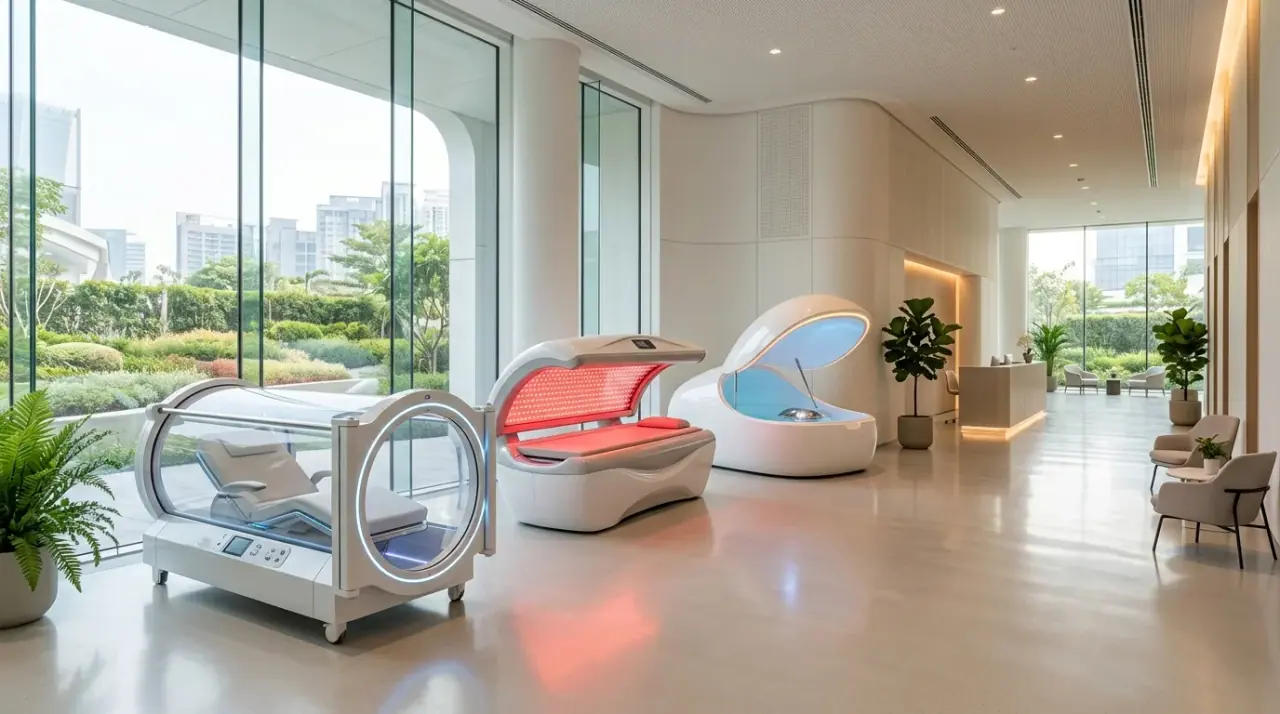
10 wellness equipment types to compare for a new project
This is a comparison checklist, not a sales ranking or evidence that ten technologies extend lifespan. Some options support an everyday routine; others require clinical assessment and a much more demanding operating setup. Select only the functions your project can explain and deliver.
Read the guide →
Planning equipment for your space?
Tell us your city and the equipment you are considering. We will help compare configurations and prepare a quotation.
Chat on WhatsApp