Why hydration changes a BIA result — and how to measure consistently
September 30, 2026 · 3 min read
Updated: 2026-09-30
If a body-composition report changes sharply from one day to the next, the first question is often about measurement conditions, not a sudden gain of fat or loss of muscle. BIA is sensitive to the electrical properties of body tissues. Changes in fluid balance can alter the estimates even when the underlying training progress has not changed.
Published by Five Elements · wellness equipment supplier
What have fluid-intake experiments shown?
A randomized crossover pilot study found that acute fluid intake influenced BIA-derived body-composition assessment. This was a small controlled experiment, not a recommendation to drink or avoid a specific quantity before every test. Its practical message is that preparation matters. Comparing a measurement after a different eating and drinking routine can mix changes in conditions with changes in the body.
Will drinking water always raise the same number?
There is no simple rule that a glass of water becomes a fixed increase in the analyser’s water or muscle field. A small hydration-change study found that body segments and estimates did not all respond in the same straightforward way. Device methods and the timing of a change matter. Trying to “correct” a report with a homemade formula is therefore less useful than repeating it under comparable conditions.
Build a routine that you can repeat
Use the same analyser and follow its preparation instructions. Keep timing relative to normal meals, drinking and exercise reasonably consistent. Record any unusual circumstance that could affect comparison rather than pretending every visit is identical. The aim is normal, repeatable conditions: deliberately dehydrating to achieve a preferred percentage would undermine both the purpose of the measurement and its interpretation.
What about a scan after training, sauna or travel?
Consider whether the visit represents your usual condition. Heavy sweating, changed fluid intake or an unusual schedule makes comparison less straightforward. For a wellness centre, scheduling body-composition measurements before other activities can make a consistent workflow easier, but the exact protocol should come from the analyser manual. Do not present a post-session change as fat reduction simply because the printed percentage moved.
What should you do with a surprising result?
Check the entered height and other profile details, contact with the electrodes, the correct user record and any difference in preparation. If the conditions were unusual, annotate the report and arrange a comparable follow-up rather than immediately changing nutrition or training. Repeated unexpected readings, health symptoms or concern about fluid balance should be discussed with a qualified professional, not diagnosed from a consumer printout.
How can a business make reports more trustworthy?
Use a short preparation note, a consistent measurement procedure and a record of relevant circumstances. Keep the same equipment for a person’s trend where practical and explain when a device or software change interrupts comparability. Give clients the actual report with its date and units. Clear conditions and honest interpretation are more valuable than displaying many decimal places or promising that each appointment reveals a precise tissue change.
Choose equipment
Research and sources
About this guide and its sources
Five Elements publishes these guides to help compare equipment and plan its use. Research findings apply to the devices, participants and conditions studied. Model specifications and operating instructions must be checked for the version offered. Any individual treatment decision belongs with an appropriately qualified professional.
Dates above identify publication and substantive updates. Linked sources let you inspect the evidence; catalogue cards show current equipment prices. To report an error or request a model document, contact Five Elements with the page address and equipment name.
Benefits, evidence and practical guides
Body fat, muscle and water: how to read a BIA report
A body-composition analyser adds useful context to body weight, but its report is a set of estimates rather than a photograph of the tissues inside you. Knowing how the categories relate is more useful than chasing every score. Start with the method, the units and the conditions of measurement.
Read the guide →
Using BIA to track training: four electrodes, eight electrodes and DXA
A new analyser can change your reported body-fat percentage without changing your body. That is why training progress should not be judged by mixing results from a home scale, a gym BIA station and a DXA appointment as though they used the same ruler. Each method needs its own context.
Read the guide →
Body composition analyzer or smart scale for your gym?
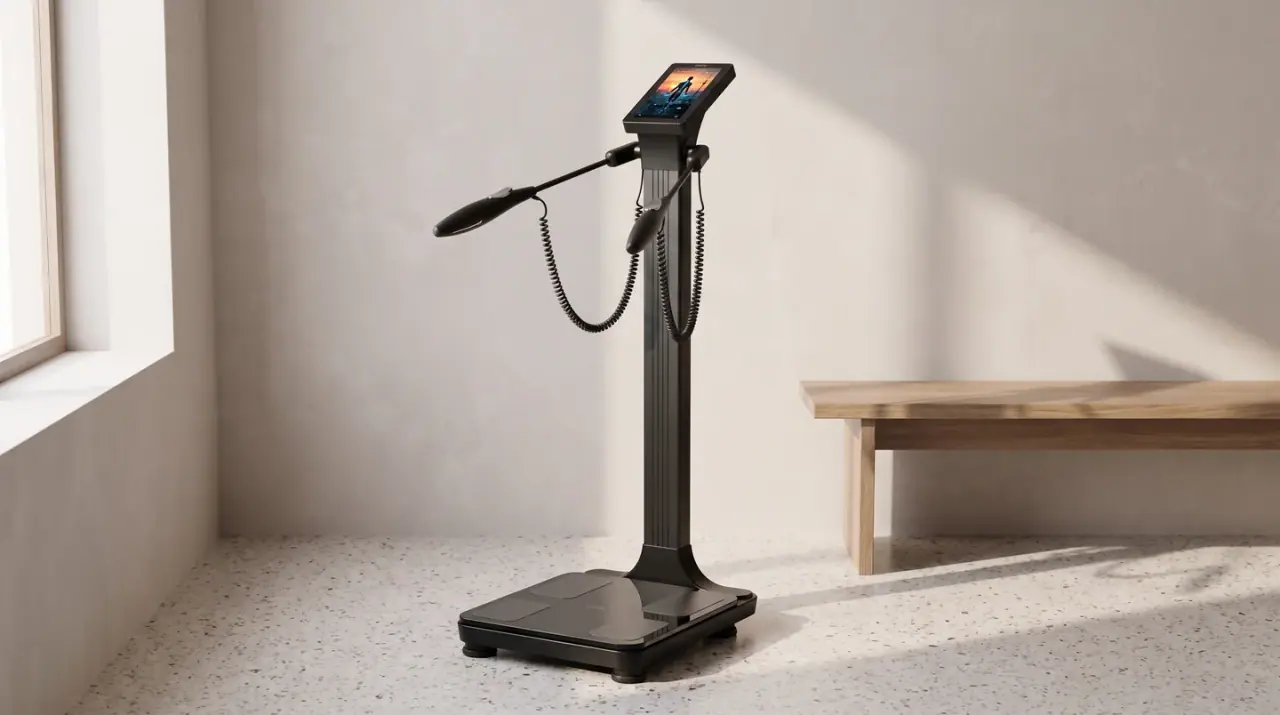
A professional body composition analyzer is worthwhile when it supports a service your team can deliver: a consistent measurement, a useful consultation and a clear follow-up report. For personal tracking, a compact smart scale may be enough. Start with that workflow before comparing screen sizes or the number of displayed parameters.
Read the guide →
More articles (4)
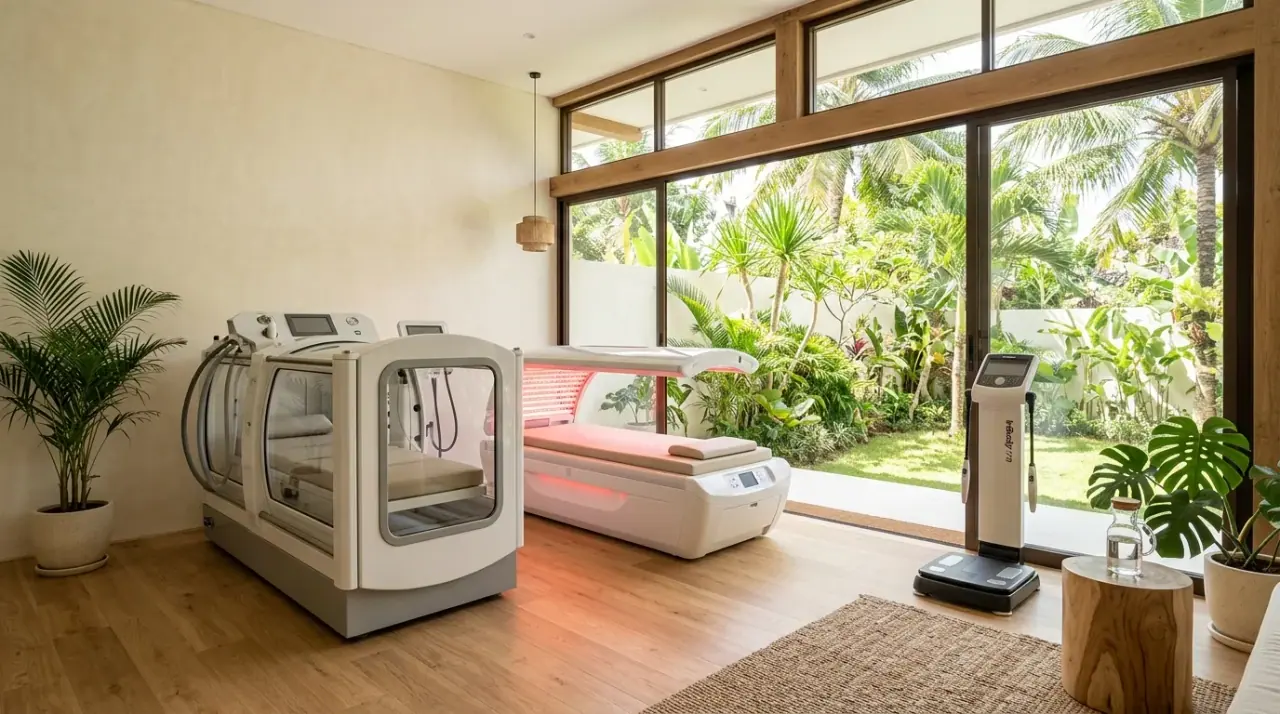
Longevity clinic in Bali: equipment and operating checklist
An equipment list works only when it fits the services, team and premises. Start with what clients will receive, who is qualified to deliver it and how the service will be operated. This checklist is a planning aid, not a report of verified clinic returns or a substitute for Indonesian licensing advice.
Read the guide →

10 wellness equipment types to compare for a new project
This is a comparison checklist, not a sales ranking or evidence that ten technologies extend lifespan. Some options support an everyday routine; others require clinical assessment and a much more demanding operating setup. Select only the functions your project can explain and deliver.
Read the guide →
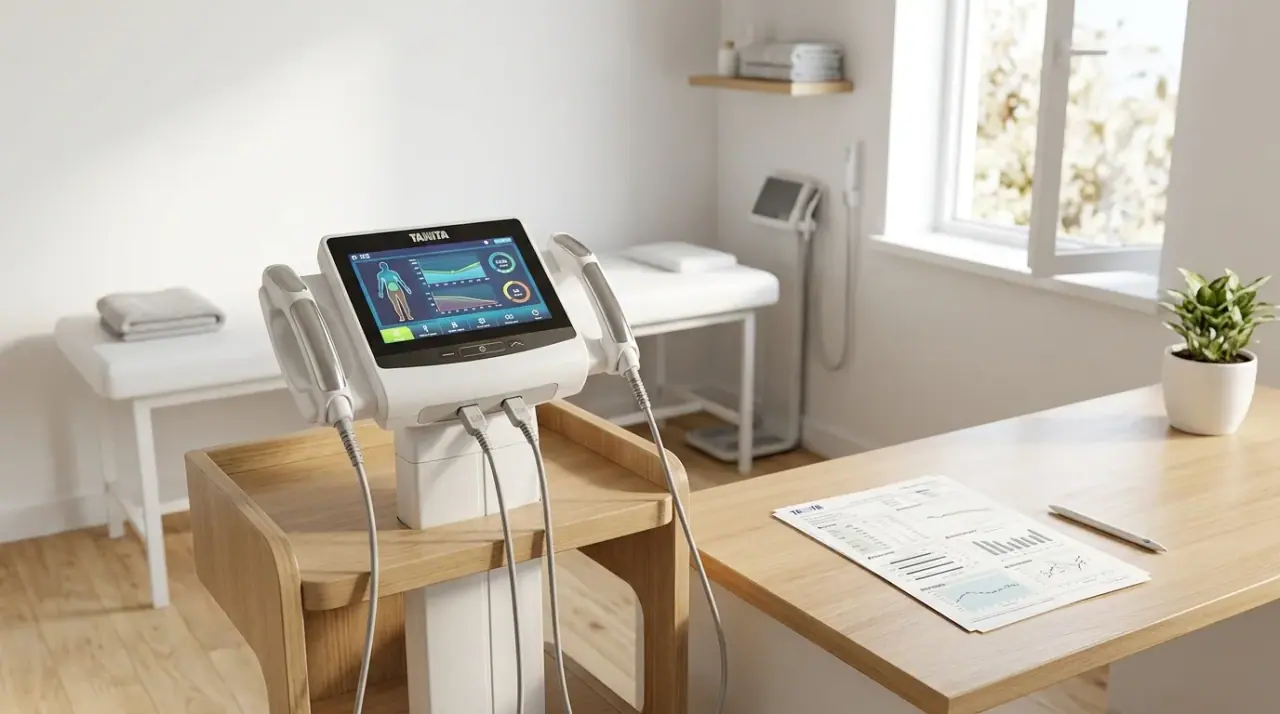
Body composition analyser: how to choose for a gym or clinic
A useful body composition analyser turns repeat measurements into a clearer conversation about progress. Choose a system your team can measure consistently and explain honestly. The number of report fields, electrodes or screen inches is a specification, not a guarantee of accuracy or customer retention.
Read the guide →
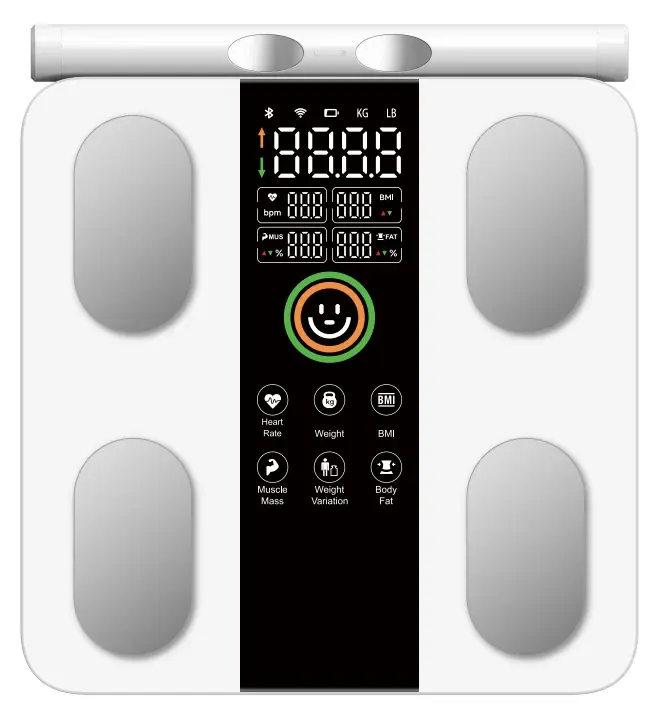
4 or 8 electrodes: choosing a smart body-fat scale in Indonesia
Choose the measurement workflow first: a quick foot-only reading, a handle-assisted test with an app report, or segment results on the scale itself. The number of electrodes matters, but so do the display, weighing limit and software you will actually use.
Read the guide →
Planning equipment for your space?
Tell us your city and the equipment you are considering. We will help compare configurations and prepare a quotation.
Chat on WhatsAppEquipment mentioned in this article
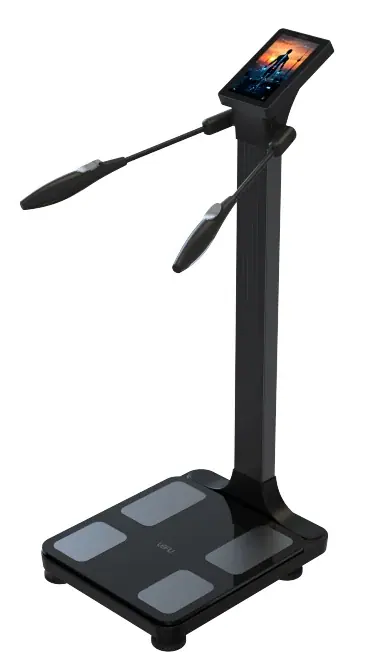 Select a configuration
Body & Skin Assessment
Five Elements Insight Eight — Eight-Electrode Body Composition Analyzer
Put changes in body composition beside weight when reviewing fitness progress in a compact consultation space.
Rp 19.740.555
≈ $1,114.53 · Per unit