Using BIA to track training: four electrodes, eight electrodes and DXA
September 30, 2026 · 3 min read
Updated: 2026-09-30
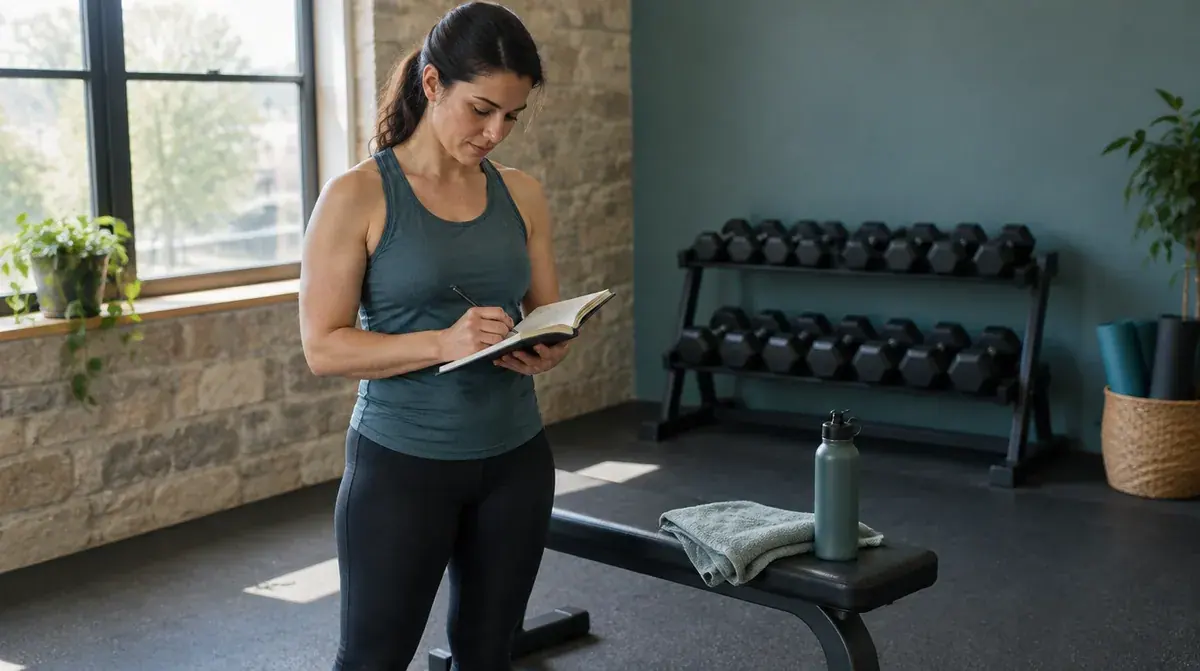
A new analyser can change your reported body-fat percentage without changing your body. That is why training progress should not be judged by mixing results from a home scale, a gym BIA station and a DXA appointment as though they used the same ruler. Each method needs its own context.
Published by Five Elements · wellness equipment supplier
What changes between four and eight electrodes?
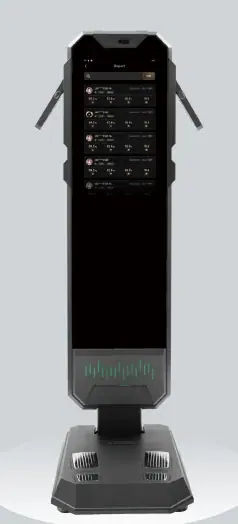
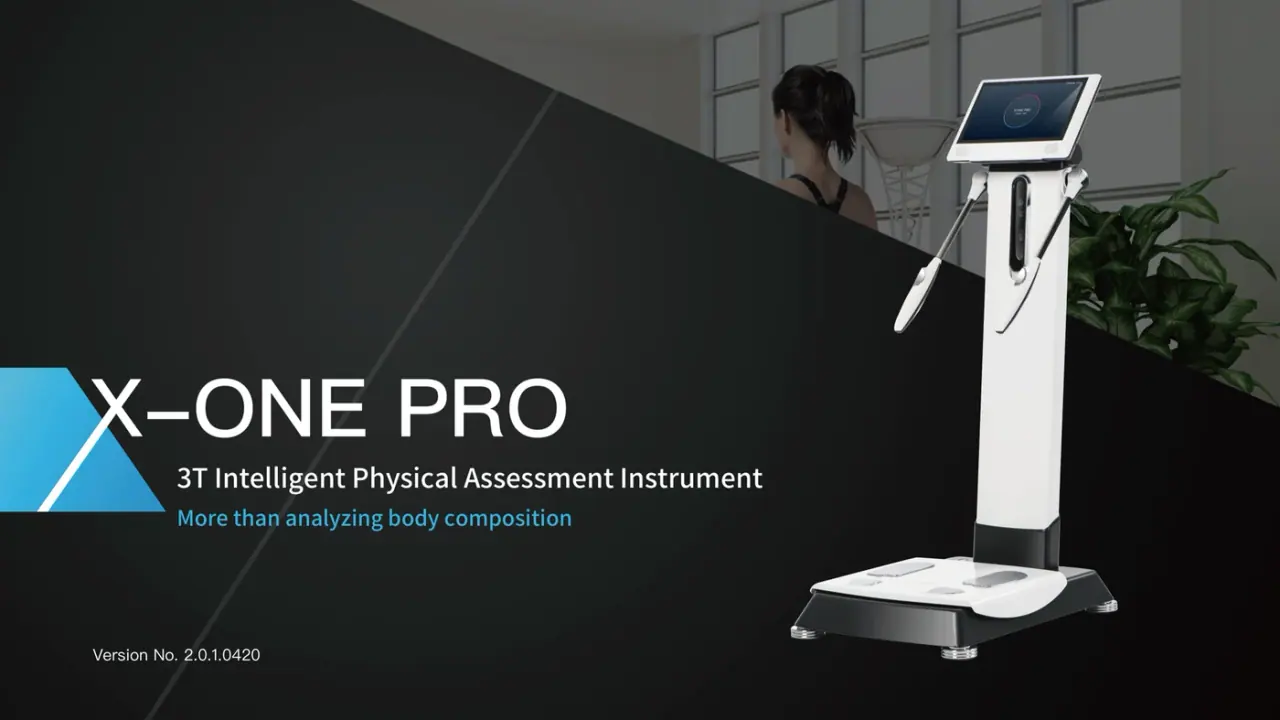
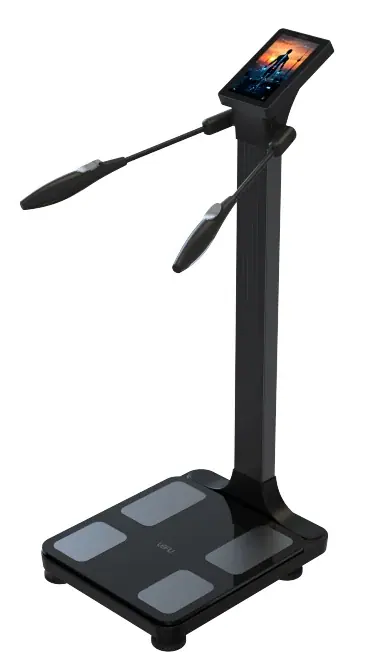
Common foot-to-foot scales pass the measurement path mainly through the lower body and estimate the whole-body result using a model. Hand-and-foot arrangements add other paths; some devices provide segment estimates. But electrode count alone does not describe the frequencies, equations or validation. Check the actual configuration rather than assuming every four-electrode or eight-electrode product works identically.
Does eight electrodes mean clinical accuracy?
No single number of contacts guarantees an accurate result for every person. Consumer-device validation work has found differences between configurations, and an eight-electrode multifrequency validation against DXA also found variation linked to body characteristics. A device can show a useful association across a group while still having meaningful disagreement for one individual. Ask for validation of the actual model and a population relevant to its users.
Is DXA an absolute truth for every compartment?
DXA provides a different assessment based on X-ray attenuation and reports fat, lean soft tissue and bone-related information. It is a useful reference method, but its definitions and assumptions are not identical to a BIA algorithm. “Lean” on a DXA report should not automatically be read as directly weighed skeletal muscle. Agreement, systematic differences and the purpose of testing matter more than declaring one number universally correct.
How do you distinguish a trend from measurement noise?
Use the same method and comparable conditions over time, then look for a pattern rather than reacting to the smallest change. There is no universal percentage change that proves real fat loss across all machines and people. A business should know whether its device has repeatability information. Where that information is absent, explain the uncertainty rather than inventing an accuracy threshold or adding decimal places.
Combine composition with training and nutrition context
Keep relevant measures such as exercise performance, consistent body-weight records, goals and how the person feels alongside the reports. A short-term fall in estimated lean mass does not by itself prove muscle loss, just as a rise does not prove a successful muscle-building programme. Before changing food intake or training, check preparation and consider whether the wider pattern supports the interpretation. Clinical nutrition concerns need appropriate professional input.
What if you switch device or start a new programme?
Keep the earlier history, record the change and establish a new baseline on the new system. If two measurements disagree, do not average unlike outputs to create an apparently precise answer. Agree in advance which method will be used for future reviews and which outcomes matter. For a gym or wellness service, understandable follow-up is a stronger offer than promising that one scan will explain every aspect of fitness.
Choose equipment
Research and sources
About this guide and its sources
Five Elements publishes these guides to help compare equipment and plan its use. Research findings apply to the devices, participants and conditions studied. Model specifications and operating instructions must be checked for the version offered. Any individual treatment decision belongs with an appropriately qualified professional.
Dates above identify publication and substantive updates. Linked sources let you inspect the evidence; catalogue cards show current equipment prices. To report an error or request a model document, contact Five Elements with the page address and equipment name.
Benefits, evidence and practical guides

Body fat, muscle and water: how to read a BIA report
A body-composition analyser adds useful context to body weight, but its report is a set of estimates rather than a photograph of the tissues inside you. Knowing how the categories relate is more useful than chasing every score. Start with the method, the units and the conditions of measurement.
Read the guide →
Why hydration changes a BIA result — and how to measure consistently
If a body-composition report changes sharply from one day to the next, the first question is often about measurement conditions, not a sudden gain of fat or loss of muscle. BIA is sensitive to the electrical properties of body tissues. Changes in fluid balance can alter the estimates even when the underlying training progress has not changed.
Read the guide →
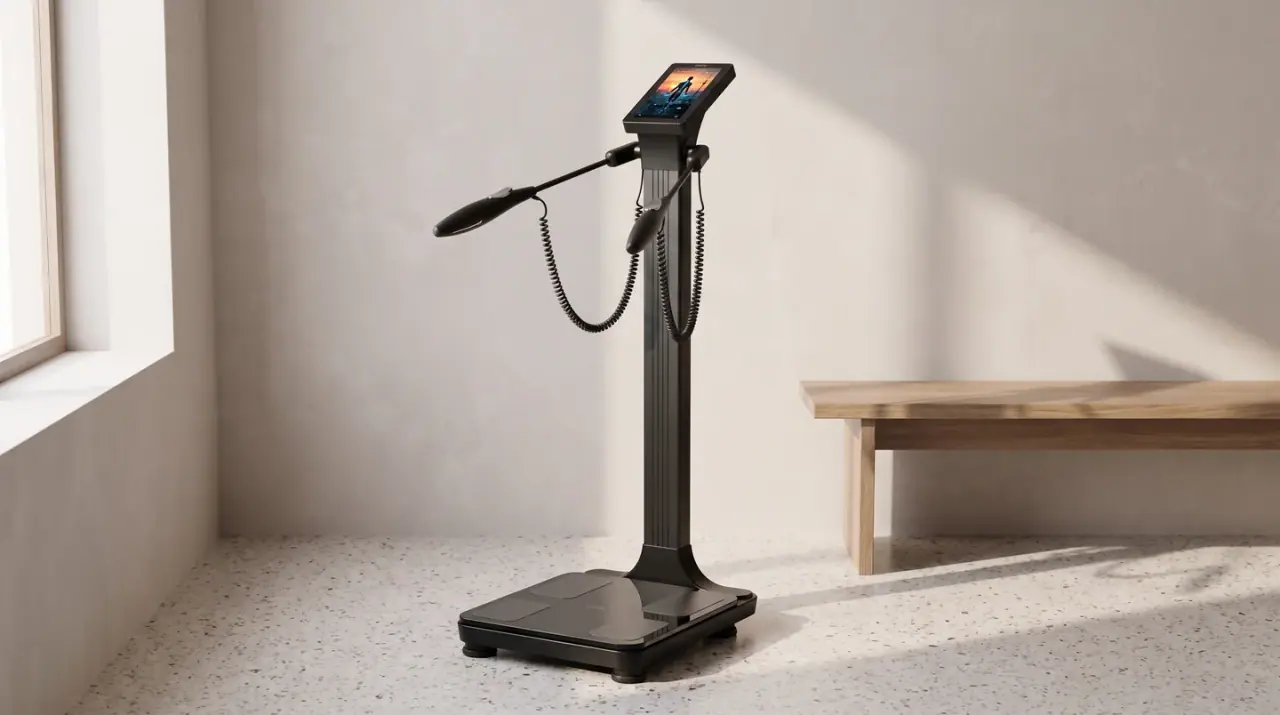
Body composition analyzer or smart scale for your gym?
A professional body composition analyzer is worthwhile when it supports a service your team can deliver: a consistent measurement, a useful consultation and a clear follow-up report. For personal tracking, a compact smart scale may be enough. Start with that workflow before comparing screen sizes or the number of displayed parameters.
Read the guide →
More articles (4)
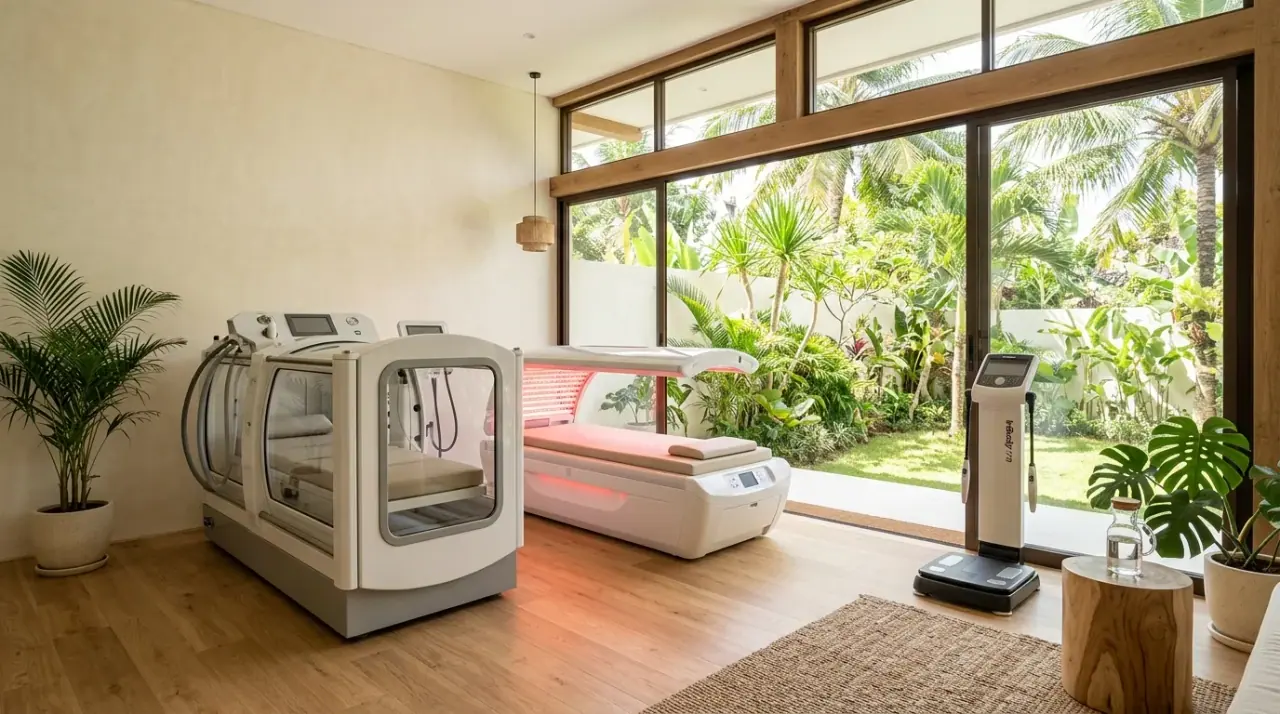
Longevity clinic in Bali: equipment and operating checklist
An equipment list works only when it fits the services, team and premises. Start with what clients will receive, who is qualified to deliver it and how the service will be operated. This checklist is a planning aid, not a report of verified clinic returns or a substitute for Indonesian licensing advice.
Read the guide →

10 wellness equipment types to compare for a new project
This is a comparison checklist, not a sales ranking or evidence that ten technologies extend lifespan. Some options support an everyday routine; others require clinical assessment and a much more demanding operating setup. Select only the functions your project can explain and deliver.
Read the guide →
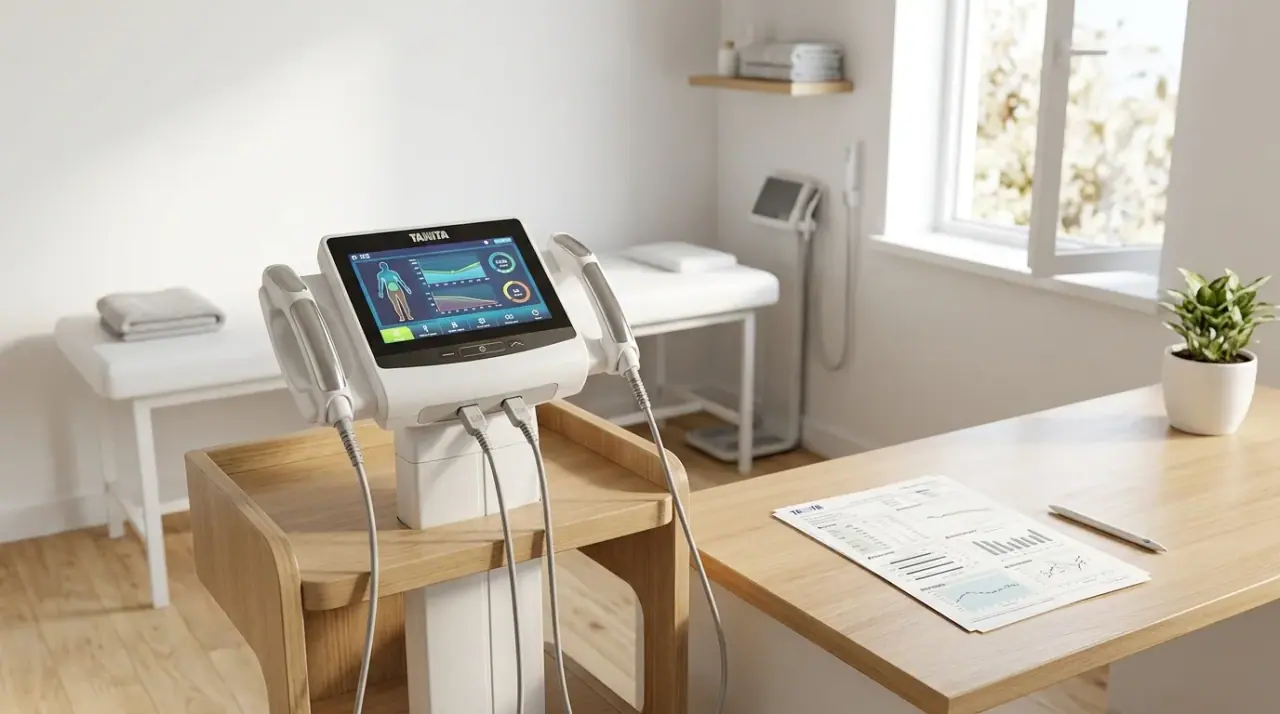
Body composition analyser: how to choose for a gym or clinic
A useful body composition analyser turns repeat measurements into a clearer conversation about progress. Choose a system your team can measure consistently and explain honestly. The number of report fields, electrodes or screen inches is a specification, not a guarantee of accuracy or customer retention.
Read the guide →
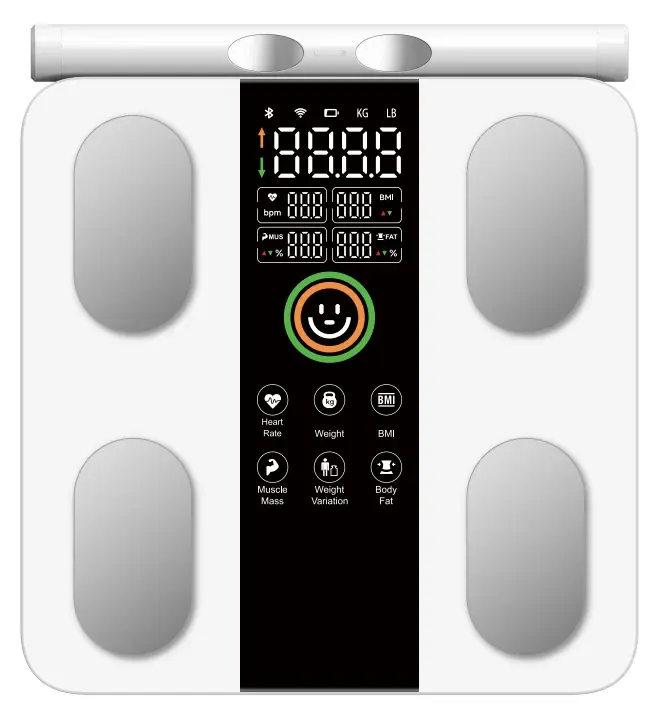
4 or 8 electrodes: choosing a smart body-fat scale in Indonesia
Choose the measurement workflow first: a quick foot-only reading, a handle-assisted test with an app report, or segment results on the scale itself. The number of electrodes matters, but so do the display, weighing limit and software you will actually use.
Read the guide →
Planning equipment for your space?
Tell us your city and the equipment you are considering. We will help compare configurations and prepare a quotation.
Chat on WhatsAppEquipment mentioned in this article
 Select a configuration
Body & Skin Assessment
Five Elements Insight Eight — Eight-Electrode Body Composition Analyzer
Put changes in body composition beside weight when reviewing fitness progress in a compact consultation space.
Rp 19.740.555
≈ $1,114.53 · Per unit