Compression recovery: what boots and hot-cold systems can offer
September 30, 2026 · 4 min read
Updated: 2026-09-30
Compression boots, cold-water wraps and alternating hot-cold systems often appear together in recovery rooms. They apply different physical inputs and should not inherit each other’s claims. Begin with the purpose of the session and the body area involved. Then compare the actual equipment, its instructions and whether the expected benefit is supported for that kind of use.
Published by Five Elements · wellness equipment supplier
What do recovery boots help with?
A meta-analysis of lower-limb pneumatic compression found possible benefits mainly for perceived soreness, with smaller effects on muscle function and variable findings for damage markers. The trials do not establish that every boot improves performance. Feeling more comfortable can matter, but it should be described separately from a demonstrated recovery of strength.
Is hot-cold recovery the same intervention?
No. Contrast-water research studies alternating water temperatures. A review reported some advantages over passive rest, but the studies had a high risk of bias and little clear superiority over other methods. These findings do not validate a particular powered wrap or prove that adding heat to compression multiplies its benefit.
Understand what each machine actually does
Some systems circulate chilled water through a pad; others combine temperature control with separate air compression. A squeeze from fastening a wrap is not necessarily adjustable pneumatic compression. Ask for the operating diagram and list of functions. If the model can heat as well as cool, confirm which garment, controller and safety features belong to that exact configuration.
Do more chambers or higher pressure mean better results?
Chambers describe the garment’s construction and settings describe control options. Neither is a score for health benefit. Fit, reach of the controls, ability to stop and the intended body area matter more to the first trial. Compare how a calf wrap and a full-leg boot cover you; do not assume a shorter product treats an area it leaves exposed.
When is a clinical assessment needed?
Medical compression has specific indications and exclusions; sports boots are not a substitute for that assessment. New unexplained swelling, suspected clotting, skin infection or significant circulation problems require clinical advice. Do not experiment with compression to identify the cause. Stop if the device causes sudden pain or numbness; chest pain or breathlessness needs urgent help.
How do you protect skin with heating and cooling?
Follow the exact device instructions for the contact layer, permitted settings and monitoring. Reduced sensation or impaired circulation can make temperature exposure unsafe without assessment. Do not use a powerful setting to overcome a lack of feeling. Inspect skin and stop if there is pain or an unexpected colour change. A temperature display does not measure the condition of tissue.
What should a shared recovery room organise?
Set up a comfortable chair, a clear route for hoses and a reachable stop control. Establish cleaning between users, garment sizing and a way to report faults. Ask whether use by multiple clients is permitted. A short demonstration should show fitting, release, cleaning and storage; the number of preset programmes is less important if nobody understands how to operate them.
How can you decide whether it is worth buying?
Choose a practical outcome: easier access to a comfortable routine, suitable garment coverage or less time spent preparing ice. Keep normal training, sleep and nutrition in the comparison. For an enquiry in Indonesia, send the body area, personal or shared use and preferred functions. Request the complete kit and supporting instructions without assuming that comfort equipment replaces rehabilitation after injury.
Choose equipment
Research and sources
- [1] Maia et al., 2024: intermittent pneumatic compression for sports recovery, meta-analysis ↗
- [2] Bieuzen et al., 2013: contrast water therapy, systematic review ↗
- [3] West Suffolk NHS: intermittent pneumatic compression, clinical patient guidance ↗
- [4] Gloucestershire Hospitals NHS: ice and heat treatment ↗
About this guide and its sources
Five Elements publishes these guides to help compare equipment and plan its use. Research findings apply to the devices, participants and conditions studied. Model specifications and operating instructions must be checked for the version offered. Any individual treatment decision belongs with an appropriately qualified professional.
Dates above identify publication and substantive updates. Linked sources let you inspect the evidence; catalogue cards show current equipment prices. To report an error or request a model document, contact Five Elements with the page address and equipment name.
Benefits, evidence and practical guides
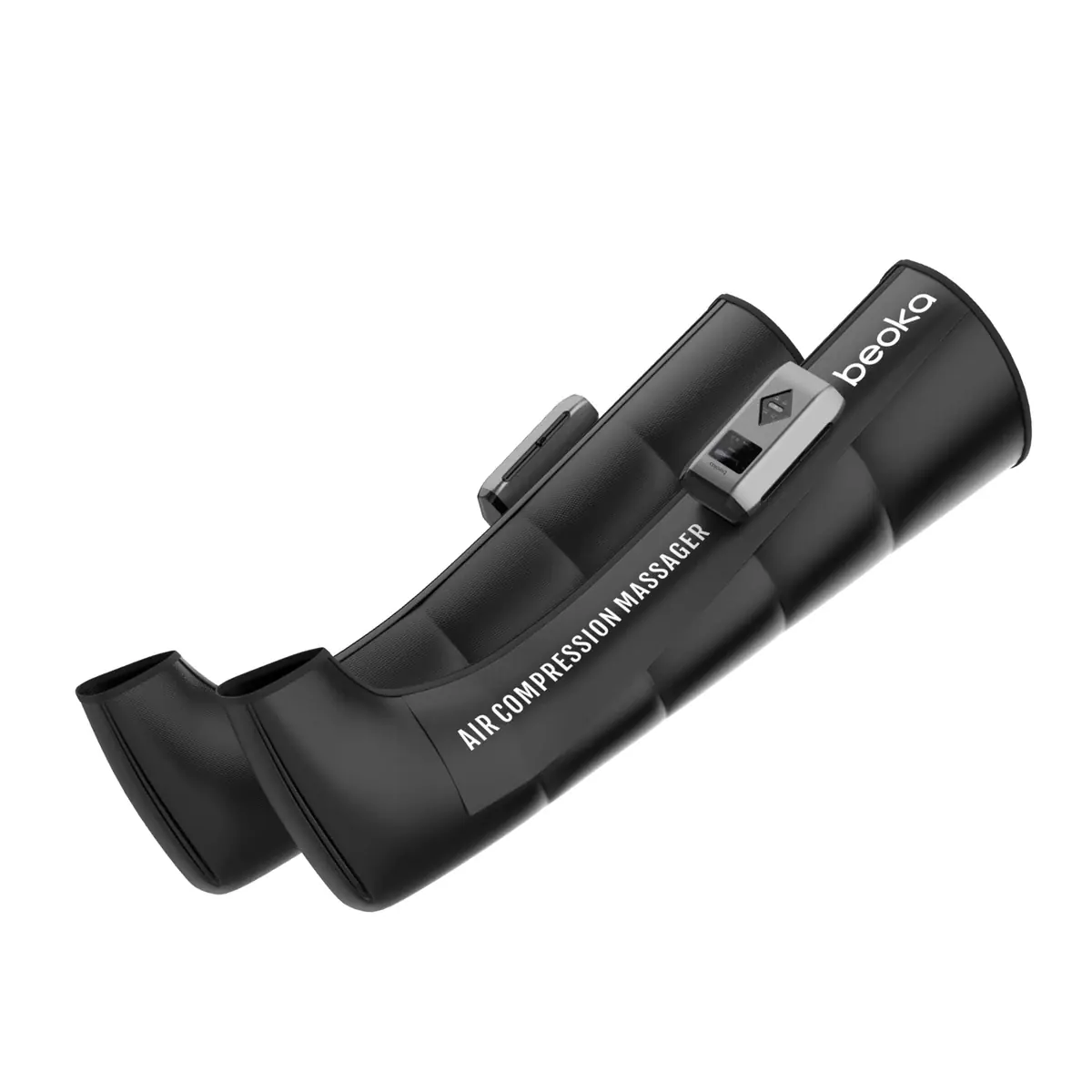
Compression boots: independent controls, remote control or hip coverage?
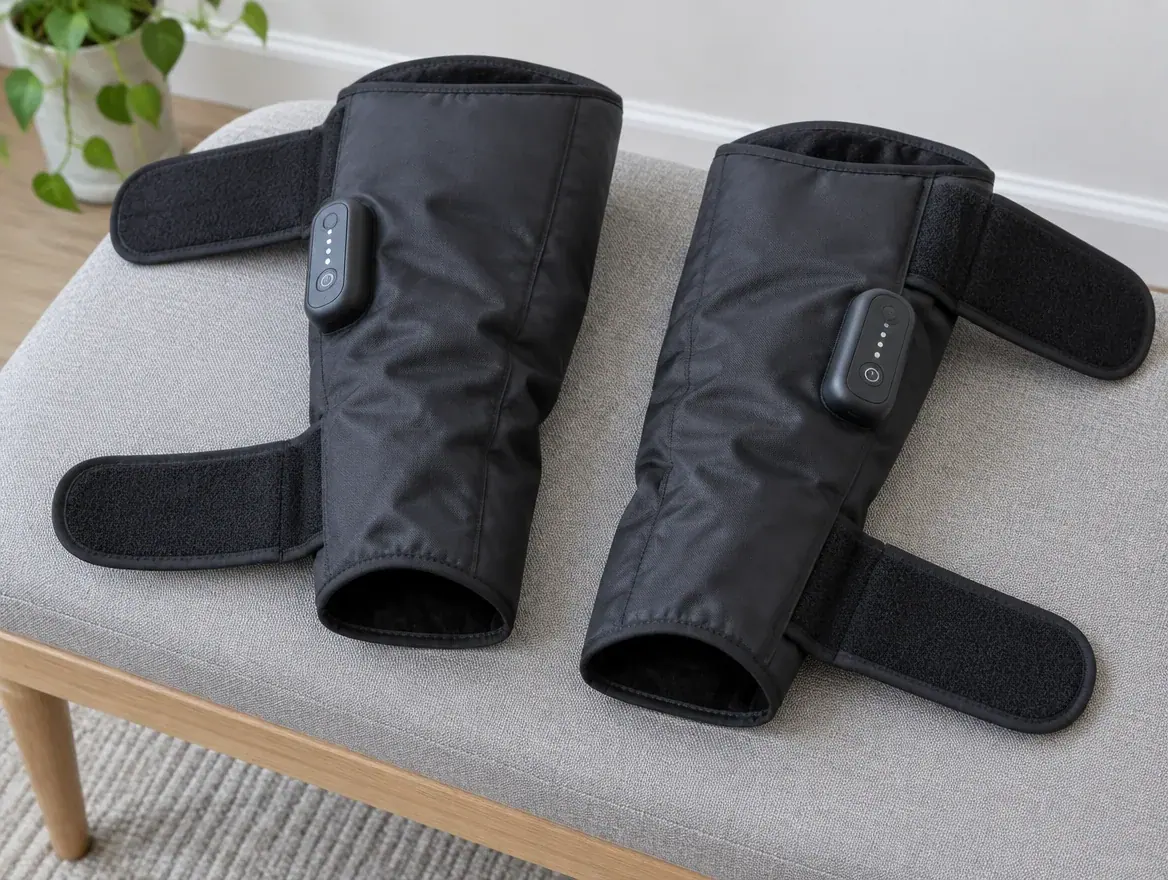
The useful difference between these models is how the equipment fits your routine: full-leg boots or calf wraps, controls on the garment or beside the chair, and basic or finer adjustment. Start with that layout, then compare the exact kit.
Read the guide →
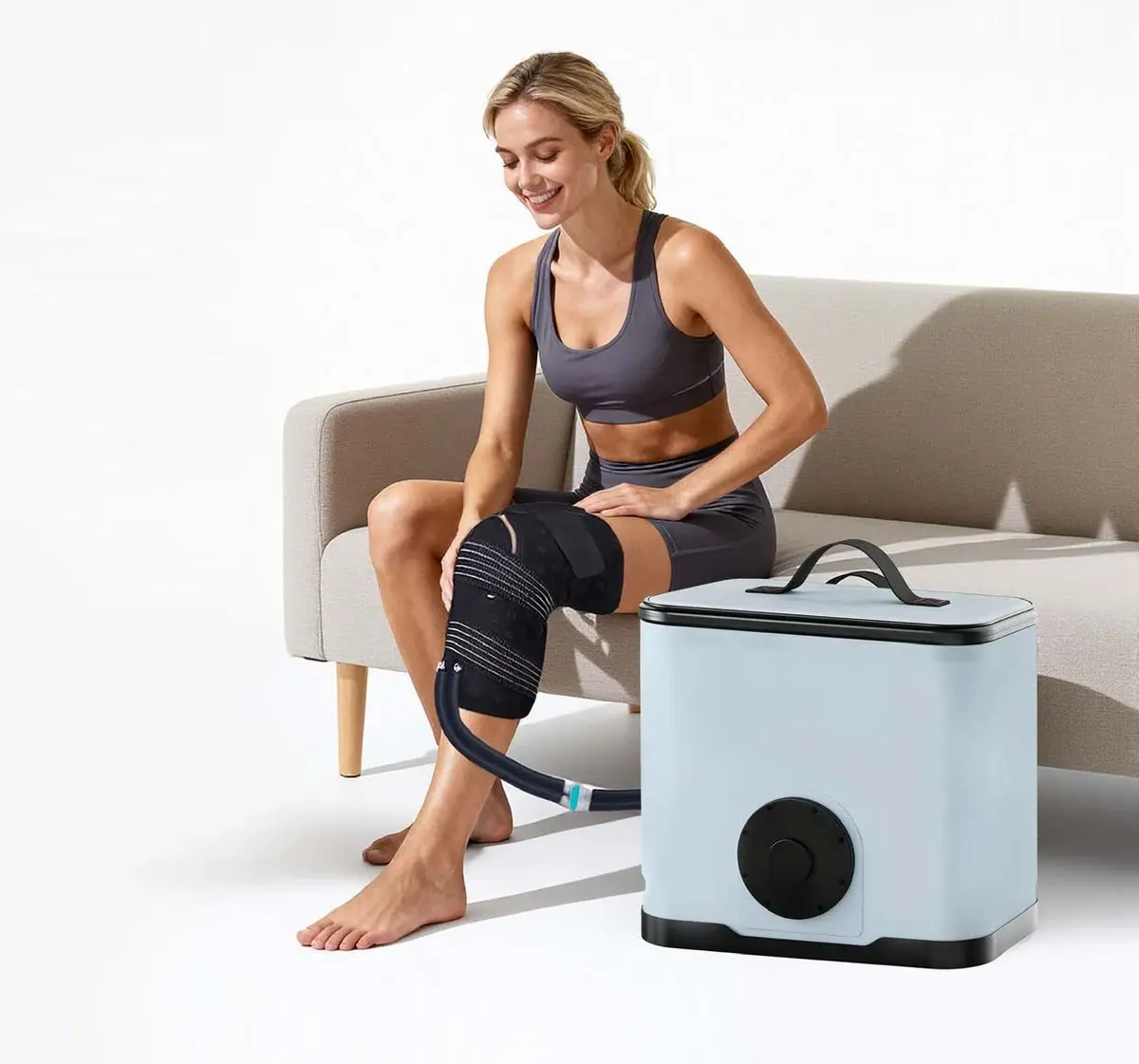
Ice-water circulation or cold compression: which local system should you choose?
Choose by the required function first: local cold-water circulation, cold with pressure control, or both heat and cold without preparing ice. These are different setups, even when photographs show similar hoses and body wraps.
Read the guide →
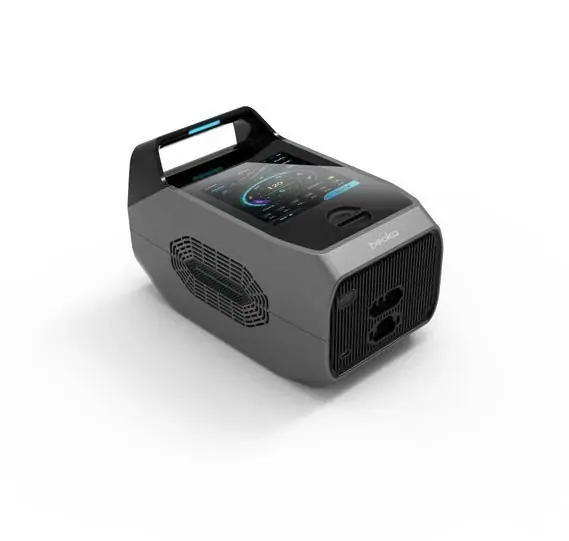
Thermoelectric or compressor: comparing ice-free local hot-and-cold systems
The Five Elements thermoelectric and compressor systems have the same listed temperature ranges, reservoir volume and case dimensions. Their cooling mechanisms and main-unit weights differ. That is a useful starting point, but it does not prove which system will suit your room or workflow better.
Read the guide →
Planning equipment for your space?
Tell us your city and the equipment you are considering. We will help compare configurations and prepare a quotation.
Chat on WhatsApp