Wellness studio costs in Bali: equipment, fit-out and operating budget
October 5, 2026 · 4 min read
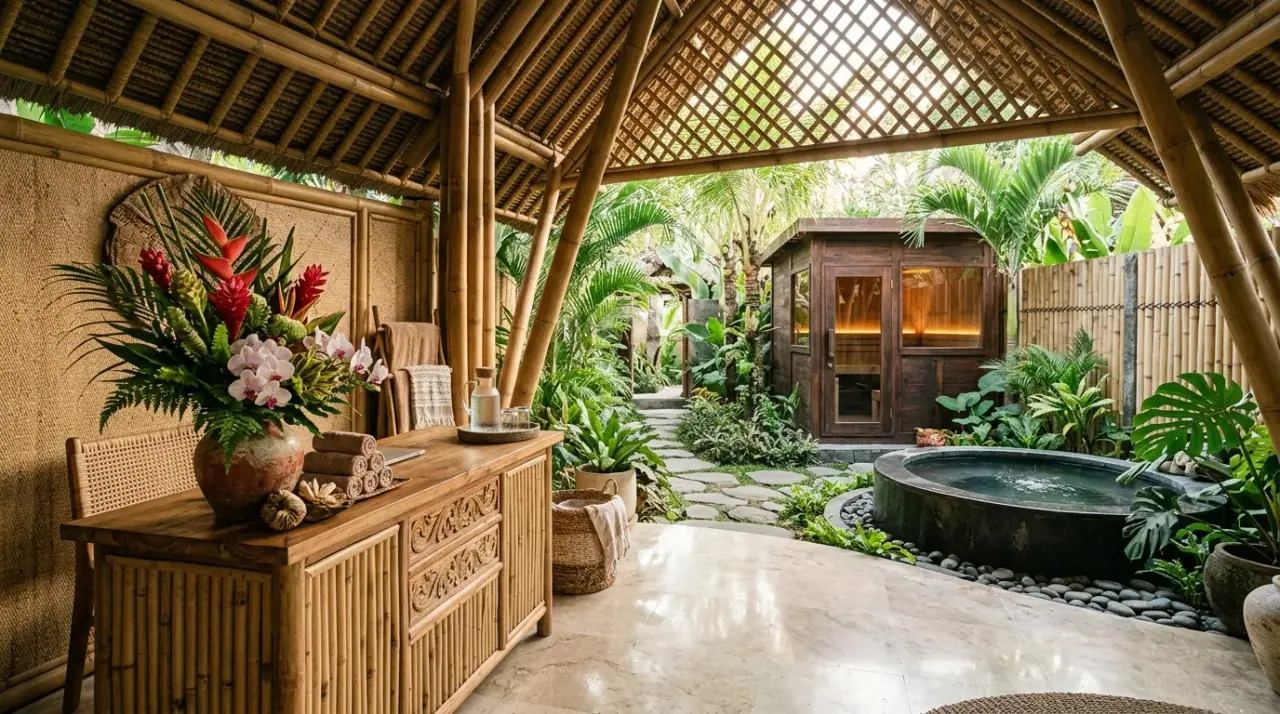
Concept illustration of a wellness space; not a completed client project.
There is no single reliable opening price for a wellness studio in Bali. The budget depends on the services, premises and team. Compare three operating formats first, then build a quotation for equipment and a separate allowance for the site, launch and running costs. The table lists current prices for selected equipment, not the total cost of a finished studio. Confirm delivery, installation and included work in the quotation.
Published by Five Elements · wellness equipment supplier
| Equipment | Price / budget, IDR |
|---|---|
| Commercial cold plunge with chiller | Rp 54.907.200 |
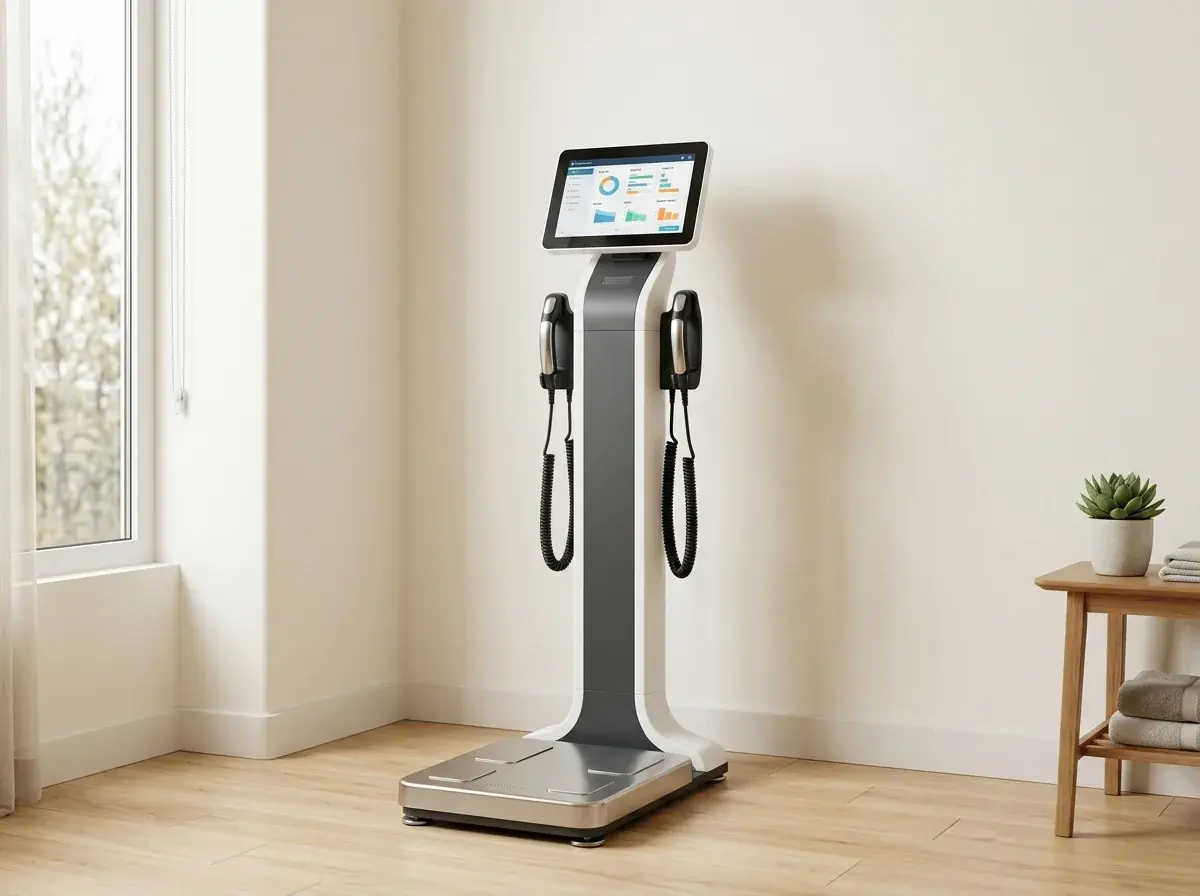
| Professional body composition analyzer | Rp 63.763.200 |
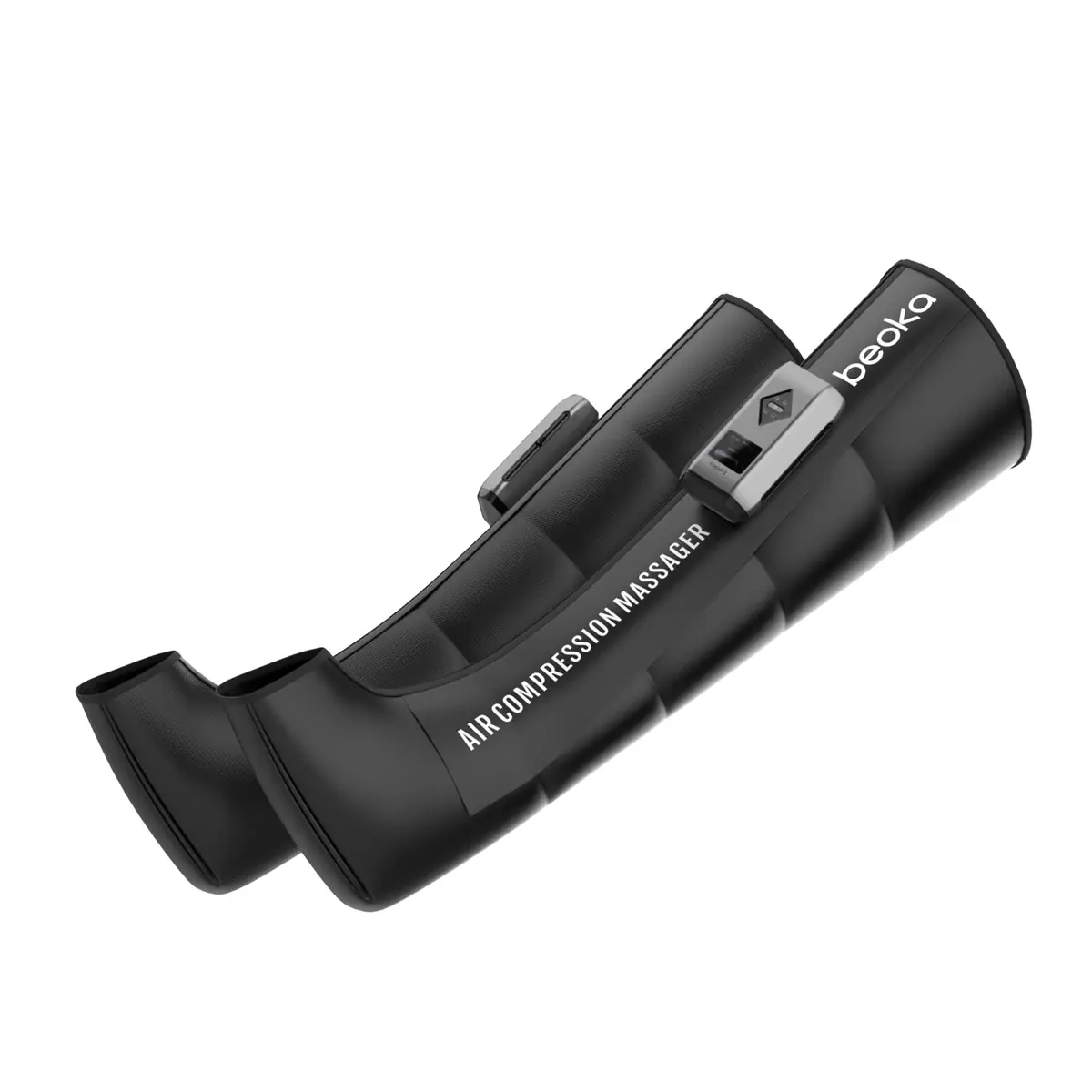
| Five Elements FlowBoots Plus — Wireless Compression Boots | Rp 12.398.400 |
Equipment prices refer to the listed configuration. Ranges are planning budgets. Confirm delivery, installation and availability in the quotation.
Format one: a recovery corner in an existing business
A gym or studio can consider a sauna, cold plunge with cooling and water care, compression boots and massage equipment. Start with the needs of existing customers and whether the room can support the service. Access, electricity, drainage, cleaning and staffing still need a budget even when the premises already exist.
Use current equipment prices as line items rather than adding unrelated headline prices. Confirm what each package includes so the same chiller, controller or installation task is not counted twice. An existing customer base does not prove immediate demand for a paid add-on.
Format two: a separate boutique studio
A dedicated studio needs its own service menu, booking flow, staffing responsibilities and working-capital reserve. Map changing, waiting, treatment and cleaning areas before increasing the equipment list. A device that fits physically may still leave too little room for access or changeover.
A body-composition analyser may support discussion of training trends, but its estimates are not equivalent to a medical diagnosis. Do not count a higher average spend or improved retention as guaranteed revenue simply because another device is added.
Format three: services needing clinical planning
Plan clinical services from the intended activity, professional team and room requirements. Owning a chamber, IHHT device or IV chair does not by itself make a business a clinic. Each proposed service requires its own assessment of purpose, equipment, operating procedures and supervision.
Check the actual business activity and current licensing requirements with an appropriate Indonesian adviser and the relevant authorities. OSS groups business obligations by risk; a wellness label is not a substitute for checking the activities you will actually provide.
Build a budget in five parts
Keep equipment, site preparation, opening costs, recurring expenses and contingency separate. This makes it easier to remove an optional purchase without pretending that rent or staffing disappears with it. Confirm equipment delivery and installation scope in writing.
Use the price table to build an equipment list with quantities, accessories and confirmed work. Mark an unknown amount as awaiting a quotation rather than zero. Compare the completed equipment subtotal with the overall opening budget only after the scope is clear.
Estimate a service before forecasting profit
For each service, record the actual paid price after discounts, expected completed appointments and the time needed for preparation and cleaning. Then allow for staff, rent, utilities, consumables, maintenance and downtime. Use conservative, central and stronger-demand scenarios from your own project assumptions.
Equipment price is only one input. A model becomes more useful when you can explain what happens if bookings are lower or maintenance closes one station. This guide does not supply a universal session price or payback period.
What to send for an equipment proposal
Share the floor plan, city and access details, intended services, expected simultaneous users and the equipment budget separate from room works. Identify which water, power and ventilation services already exist. Include who will operate the devices and when you hope to open.
Start with the smallest coherent service setup that meets the brief. Compare the resulting itemised proposal with your premises and operating budget before placing an order.
Choose equipment
Research and sources
About this guide and its sources
Five Elements publishes these guides to help compare equipment and plan its use. Research findings apply to the devices, participants and conditions studied. Model specifications and operating instructions must be checked for the version offered. Any individual treatment decision belongs with an appropriately qualified professional.
Dates above identify publication and substantive updates. Linked sources let you inspect the evidence; catalogue cards show current equipment prices. To report an error or request a model document, contact Five Elements with the page address and equipment name.
Planning a purchase in Indonesia
Before comparing quotations, agree who is responsible for model documents, import arrangements and site preparation. Market research can inform a business plan, but does not establish demand for an individual location.
Benefits, evidence and practical guides
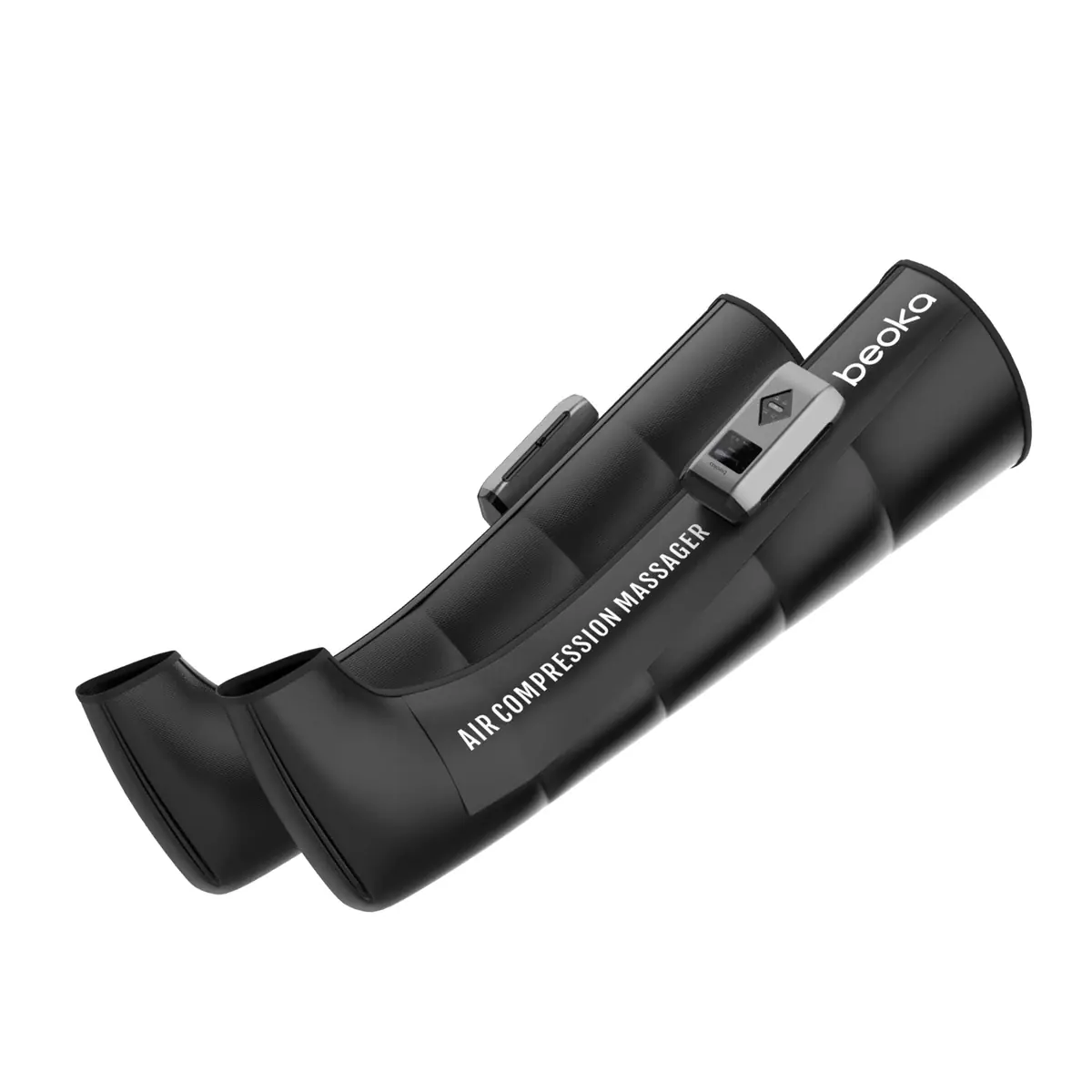
Normatec 3 or FlowBoots Plus: a buying comparison for Indonesia
Choose between these leg-compression formats by fit, controls and support, then compare the full purchase price. This is a desk comparison of published specifications, not a hands-on test. Five Elements offers FlowBoots; Normatec is a Hyperice product and is not offered in this catalogue. No Hyperice affiliation is implied.
Read the guide →
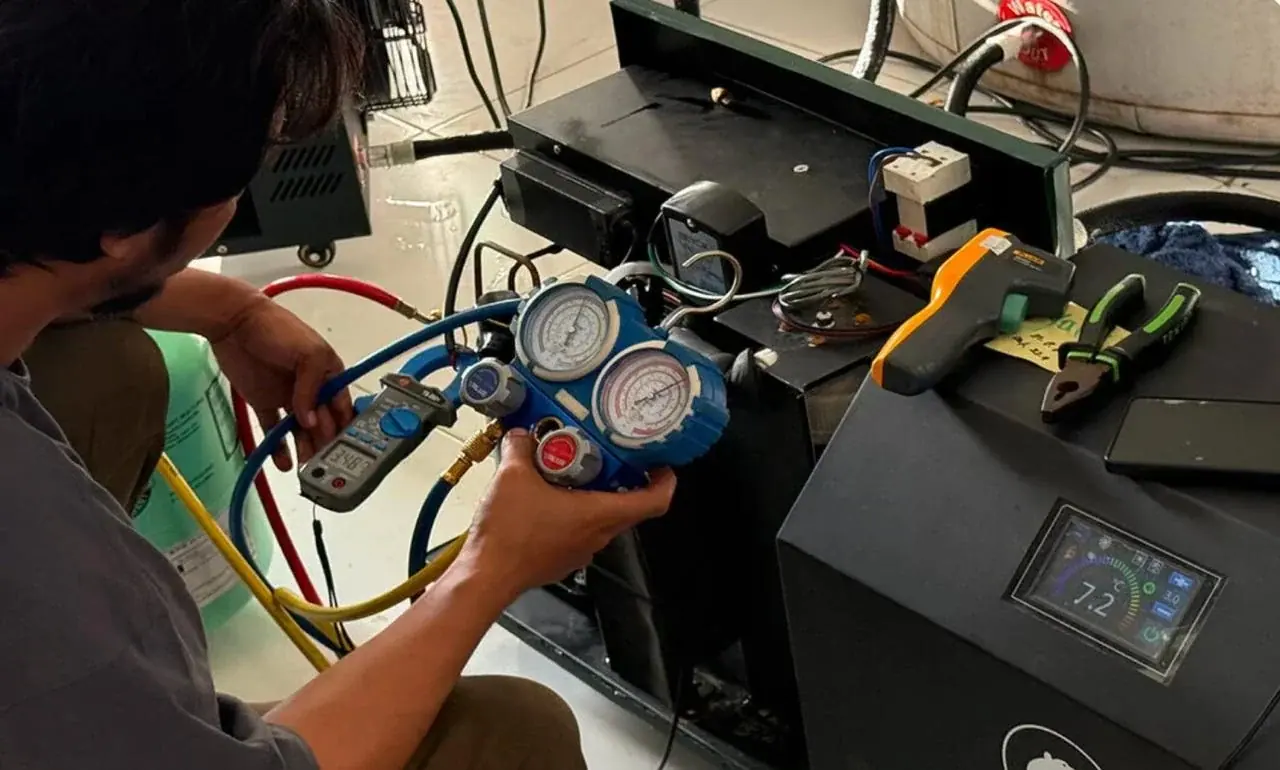
Ice bath prices in Indonesia: tub, chiller and complete-system costs
An ice bath price can mean a tub alone, a chiller or a complete system. The budget table below separates the current configuration ranges so you can compare like with like. Check what is included before combining figures: cooling equipment must not be counted twice.
Read the guide →
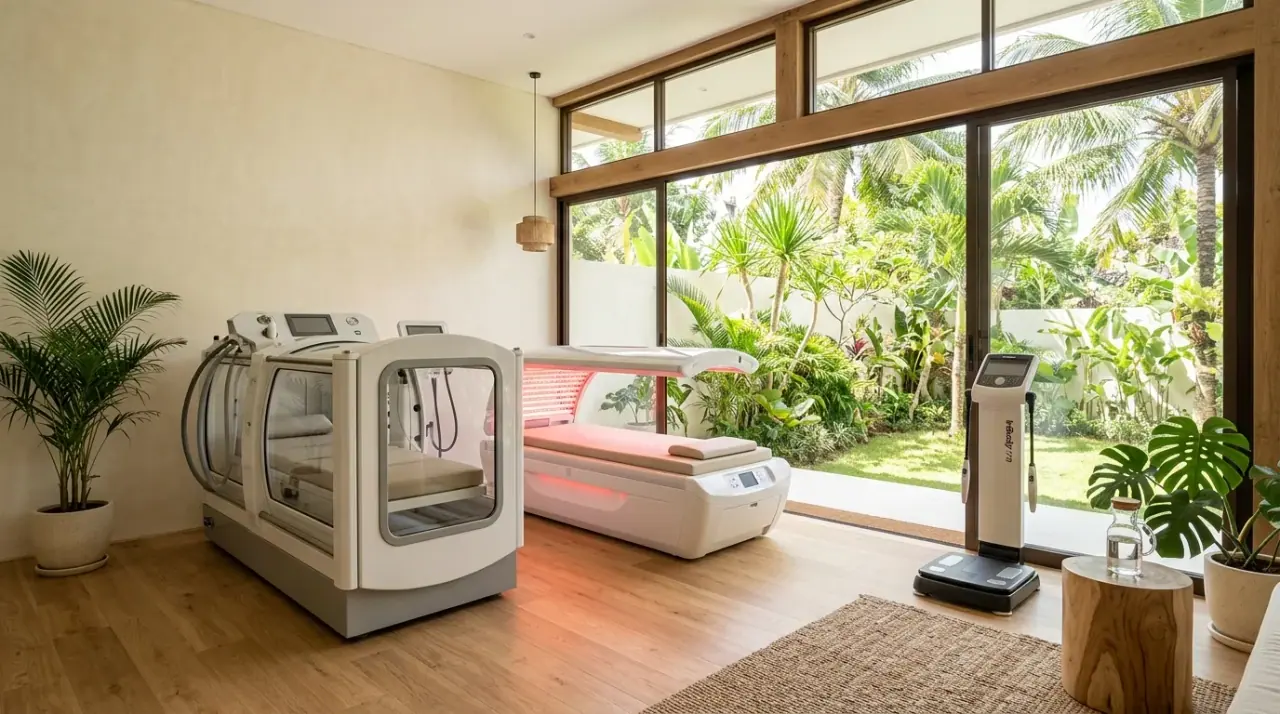
Longevity clinic in Bali: equipment and operating checklist
An equipment list works only when it fits the services, team and premises. Start with what clients will receive, who is qualified to deliver it and how the service will be operated. This checklist is a planning aid, not a report of verified clinic returns or a substitute for Indonesian licensing advice.
Read the guide →
More articles (28)
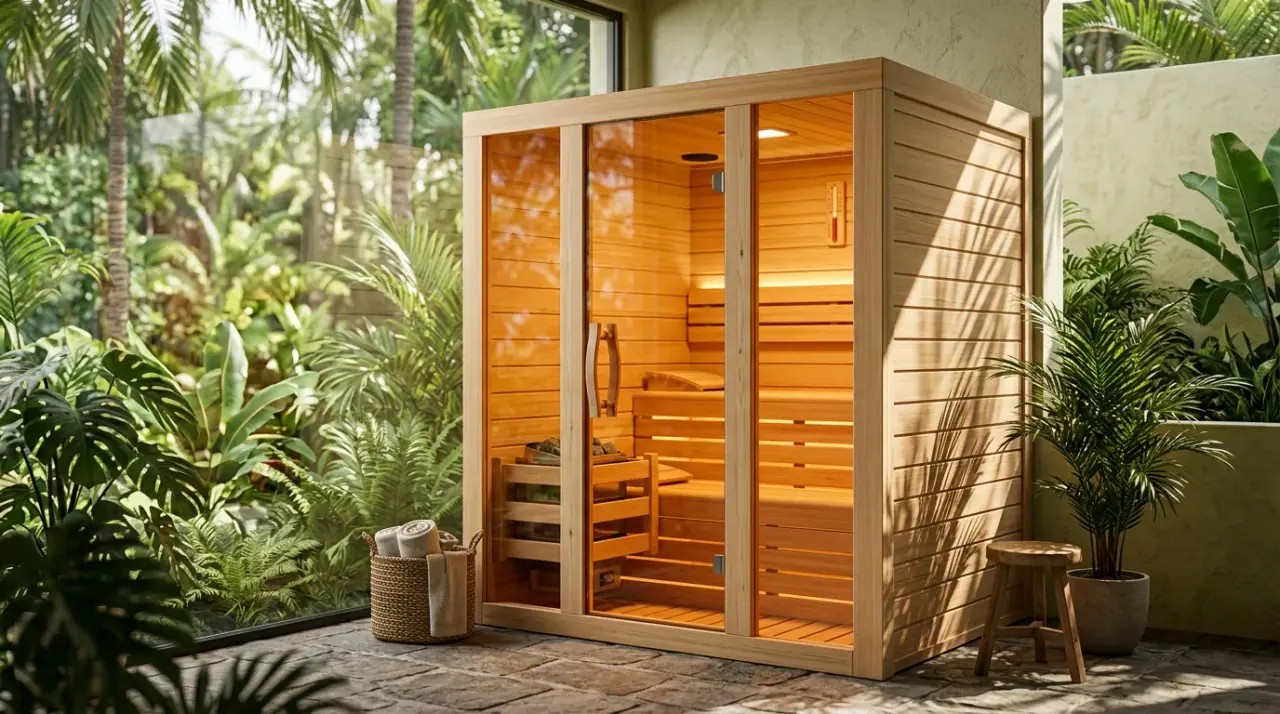
Choosing a sauna for Bali: indoor, outdoor and infrared
For a tropical property, choose a sauna around its location, moisture management and intended use. An infrared cabin and a stone-heated room offer different experiences; neither is automatically the best choice for every villa, gym or spa.
Read the guide →
Compression boots: independent controls, remote control or hip coverage?
The useful difference between these models is how the equipment fits your routine: full-leg boots or calf wraps, controls on the garment or beside the chair, and basic or finer adjustment. Start with that layout, then compare the exact kit.
Read the guide →
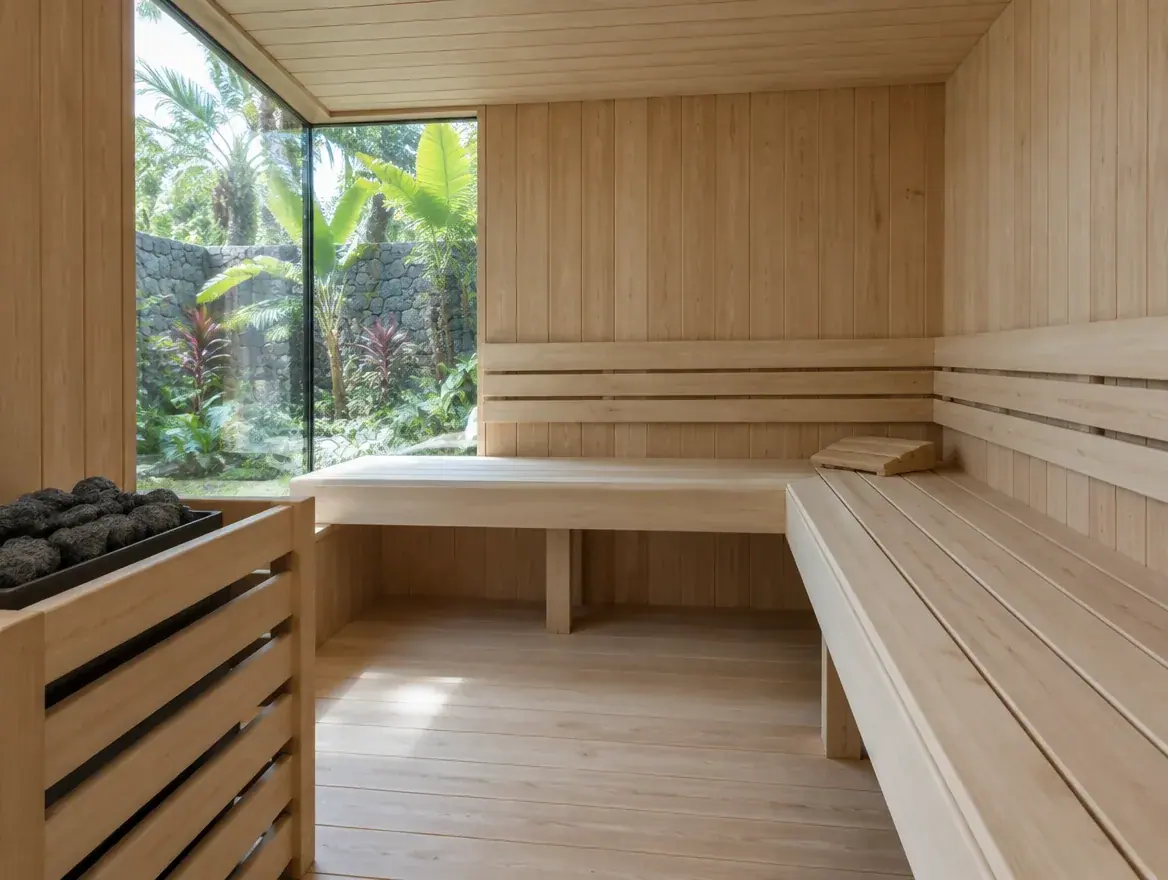
Ice bath and recovery in Bali: six places to compare
Bali has several different ways to visit an ice bath or cold plunge: a gym recovery area, a bathhouse, a resort spa or a booked treatment. This guide compares six venues using their official pages, checked on 5 October 2026. It is a desk-researched shortlist, with no ranking or claim of a personal visit. Confirm your chosen facilities and access directly with the venue before travelling.
Read the guide →
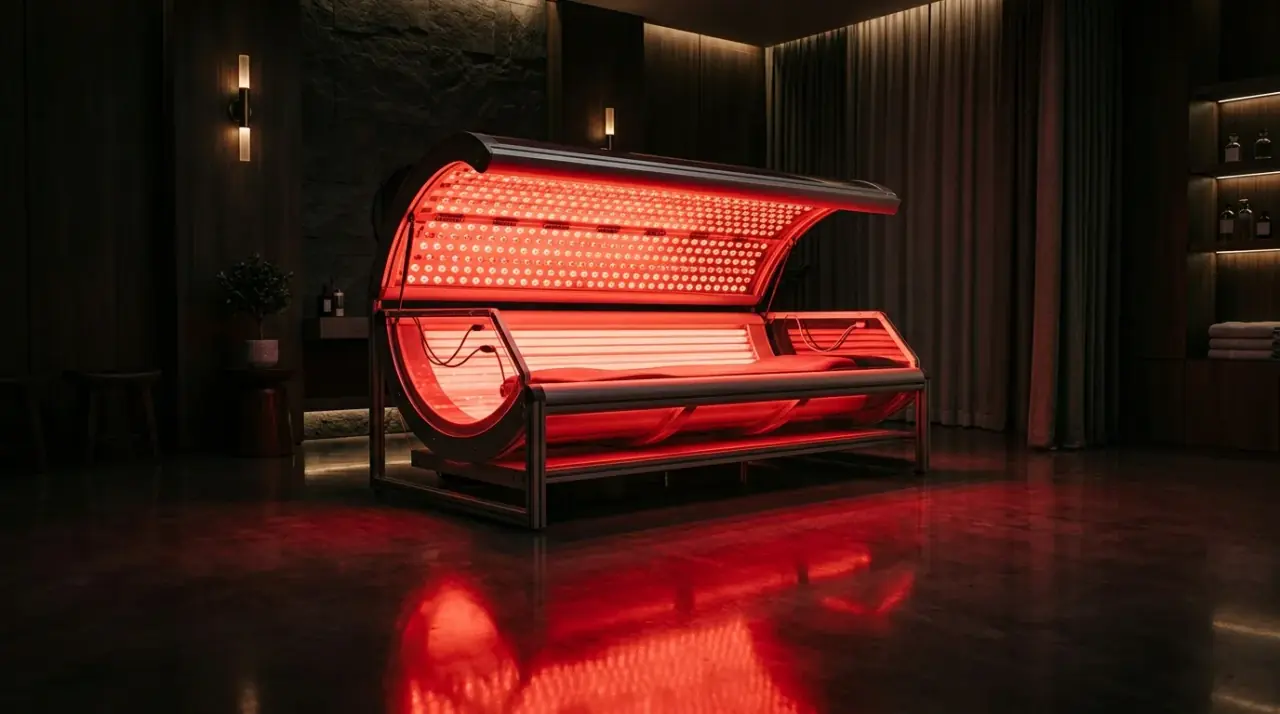
Red Light Therapy in Indonesia: The Business Case for Clinics and Spas
A red-light service needs both a clear intended use and a realistic operating plan. Before adding a bed, panel or dome to a clinic or spa, check the device documentation, space, staffing and evidence relevant to the proposed service. Revenue depends on local demand and the complete cost of delivery; an automatic timer does not make a session labour-free.
Read the guide →
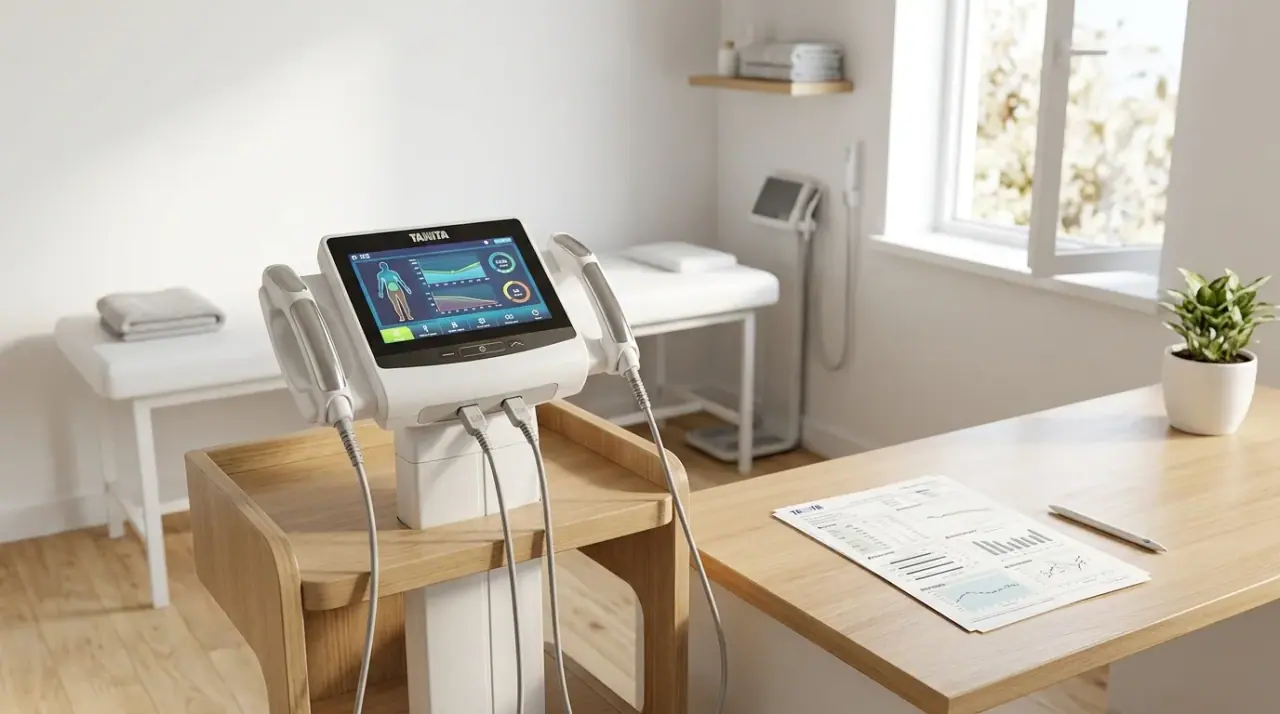
Body composition analyser: how to choose for a gym or clinic
A useful body composition analyser turns repeat measurements into a clearer conversation about progress. Choose a system your team can measure consistently and explain honestly. The number of report fields, electrodes or screen inches is a specification, not a guarantee of accuracy or customer retention.
Read the guide →
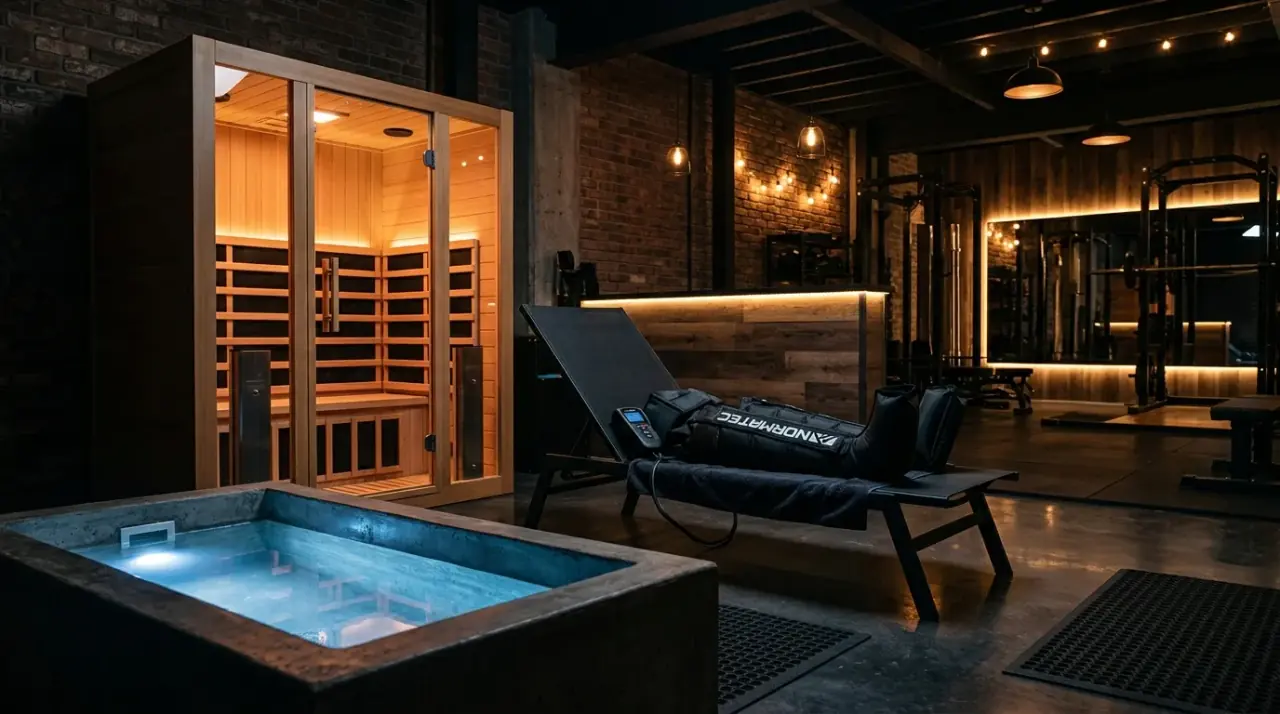
10 Recovery Equipment Options for Gyms: Space, Staffing and Cost Planning
A recovery area has to fit the gym’s space, members and operating team. Compare equipment by its intended use, installed cost, room requirements and staff workload. This shortlist is a starting point for planning; it is not a ranking based on verified returns from Indonesian gyms.
Read the guide →
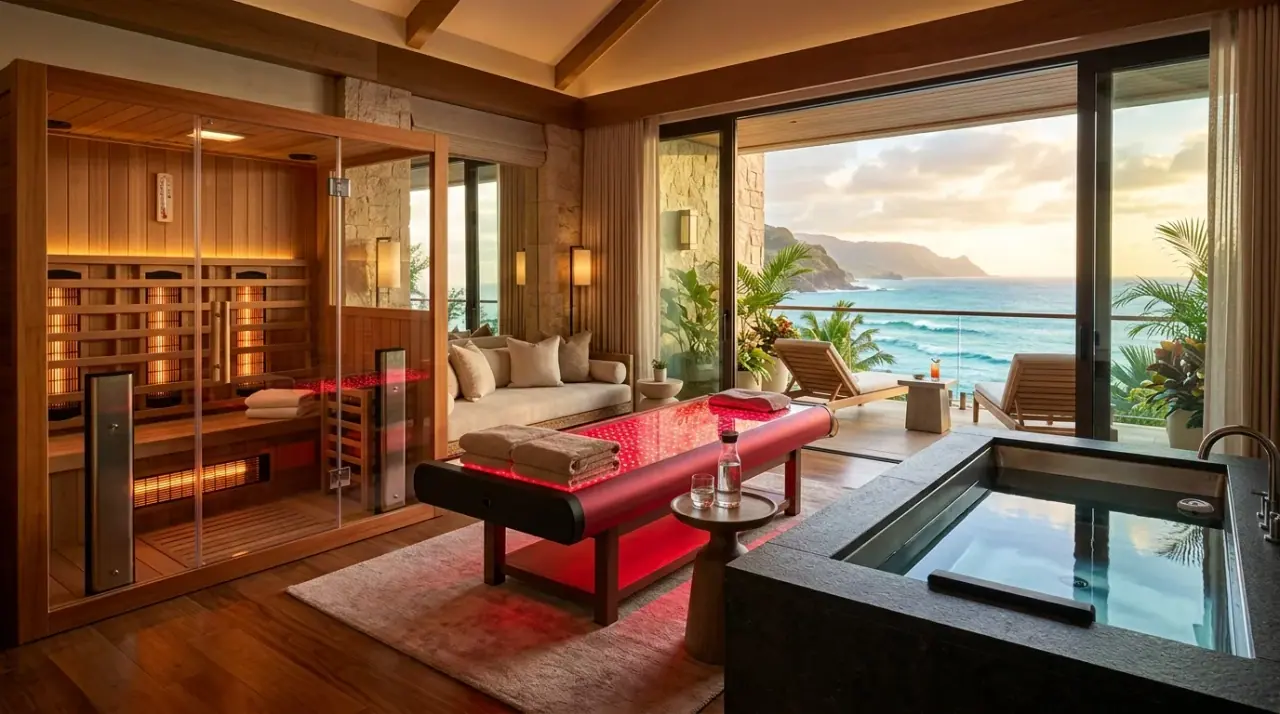
Hotel Recovery Room: Equipment and Operating Plan
A hotel recovery room can be planned as a bookable service or an included guest amenity. Its value depends on the guests, operating team and property budget. Define the intended experience, confirm equipment requirements and test demand before expanding the room or presenting projected revenue as established income.
Read the guide →
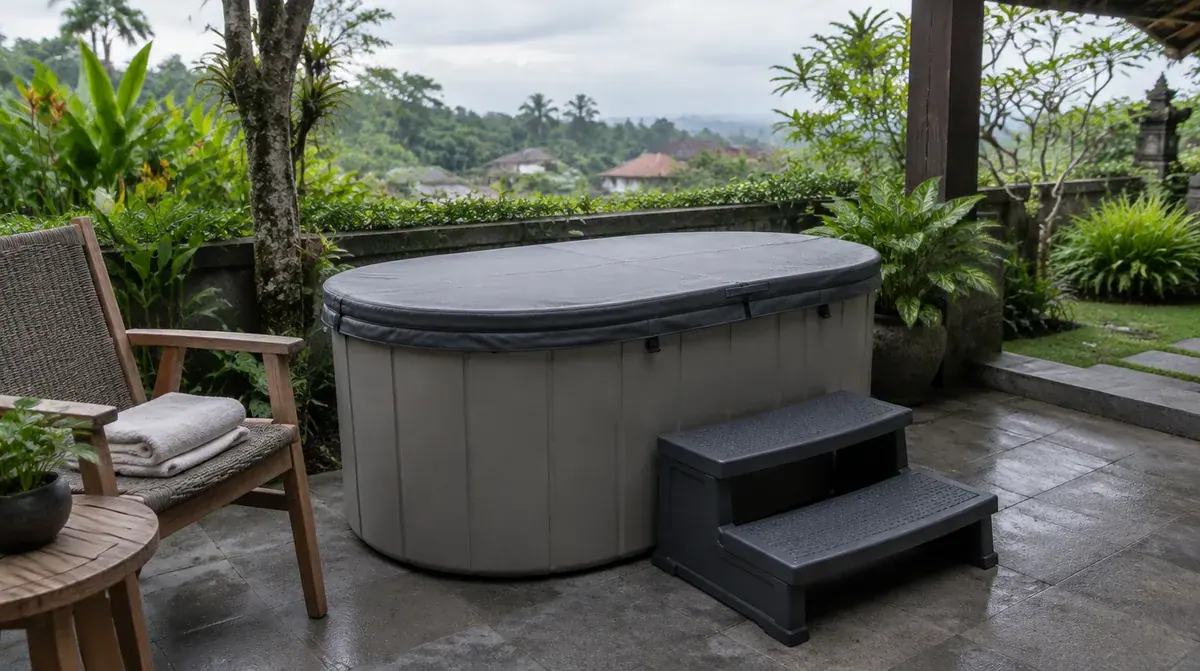
Ice baths after exercise: recovery benefits and their limits
An ice bath can be an optional part of a recovery routine, especially when feeling less sore matters between demanding activities. It is not a shortcut to better fitness. Decide what you want to improve before buying a tub: comfort after sport, a personal routine or a service for guests all require different practical decisions.
Read the guide →
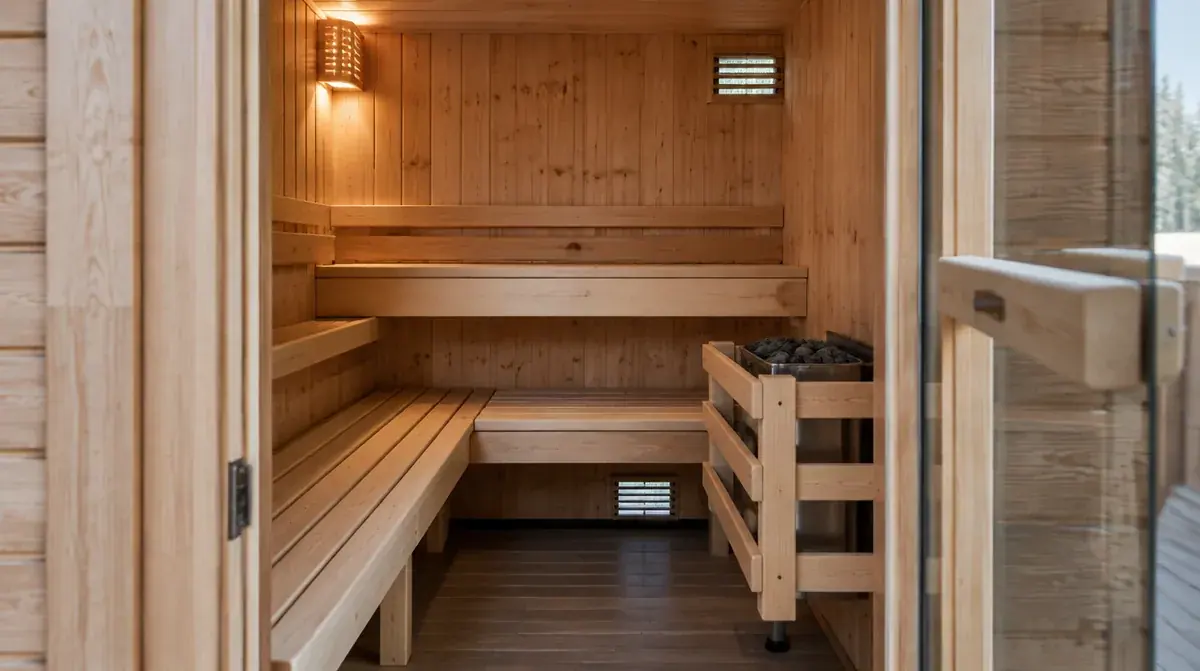
Sauna and health: what the research means for everyday use
A sauna can provide a comfortable place to unwind and a routine that people enjoy returning to. Health research is interesting, but it needs careful interpretation. Choose a sauna around the experience, practical access and users who will actually enter it, rather than a promise that a particular cabin will prevent disease or extend life.
Read the guide →
Compression recovery: what boots and hot-cold systems can offer
Compression boots, cold-water wraps and alternating hot-cold systems often appear together in recovery rooms. They apply different physical inputs and should not inherit each other’s claims. Begin with the purpose of the session and the body area involved. Then compare the actual equipment, its instructions and whether the expected benefit is supported for that kind of use.
Read the guide →
Sauna prices in Indonesia: custom construction and complete-project budget
A sauna budget depends on the complete room, heater and site work. The starting budgets below are drawn from the current custom and outdoor sauna selection pages. They are a starting point for that project type, not the price of every room size, infrared cabin or portable product.
Read the guide →
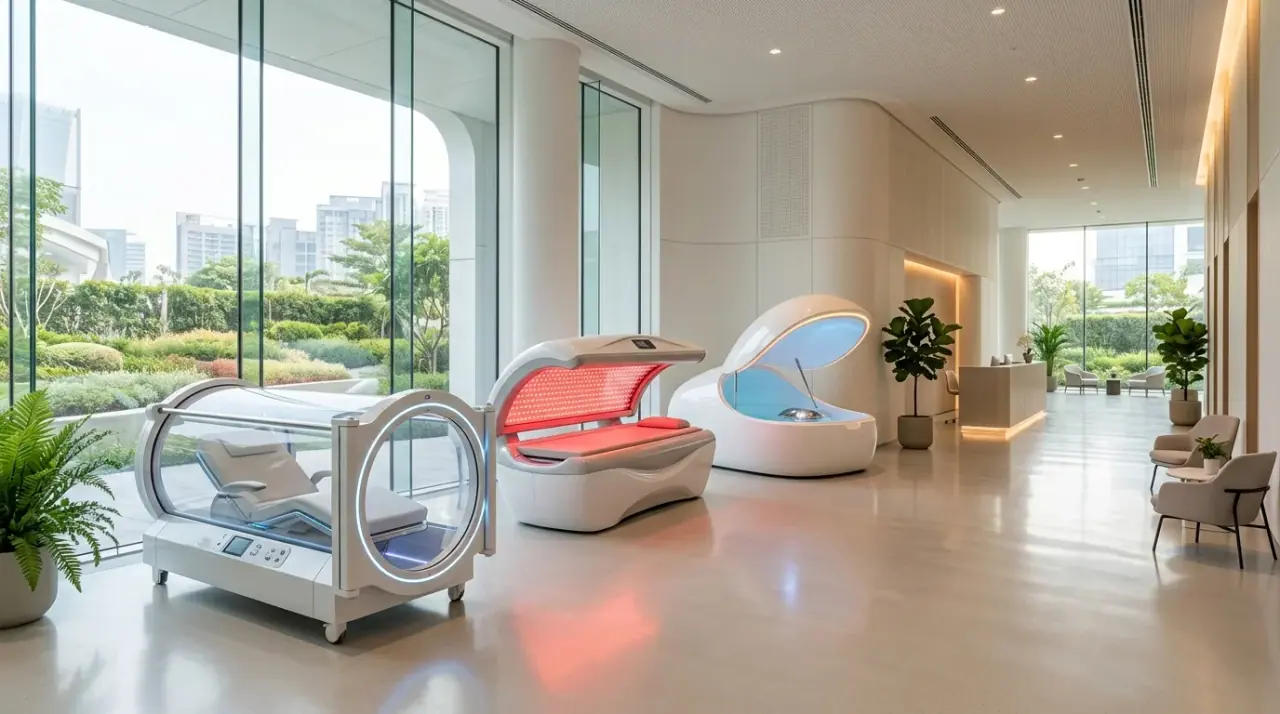
10 wellness equipment types to compare for a new project
This is a comparison checklist, not a sales ranking or evidence that ten technologies extend lifespan. Some options support an everyday routine; others require clinical assessment and a much more demanding operating setup. Select only the functions your project can explain and deliver.
Read the guide →
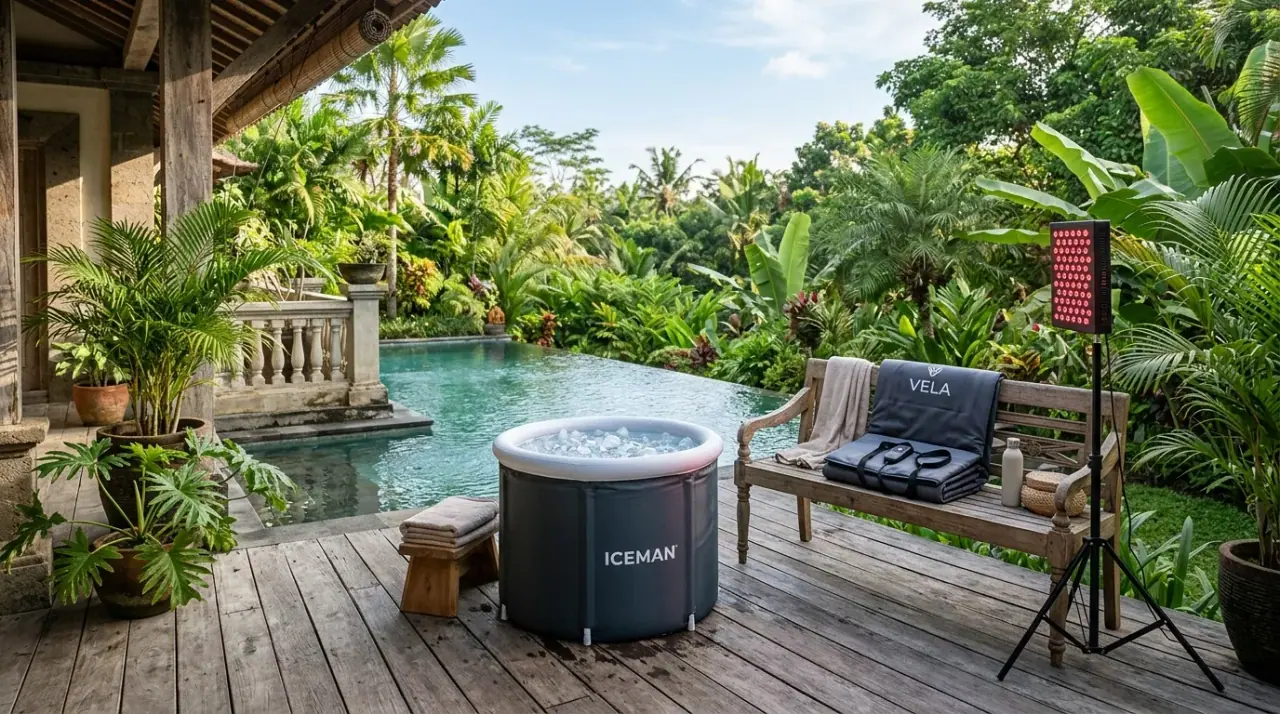
A home wellness setup for a Bali villa: space and priorities
A good home setup is easy to reach, use and put away. Begin with one clear routine and check the space before adding more devices. This guide helps compare a portable option, a fixed installation and a dedicated room without assuming that every home needs a full treatment menu.
Read the guide →
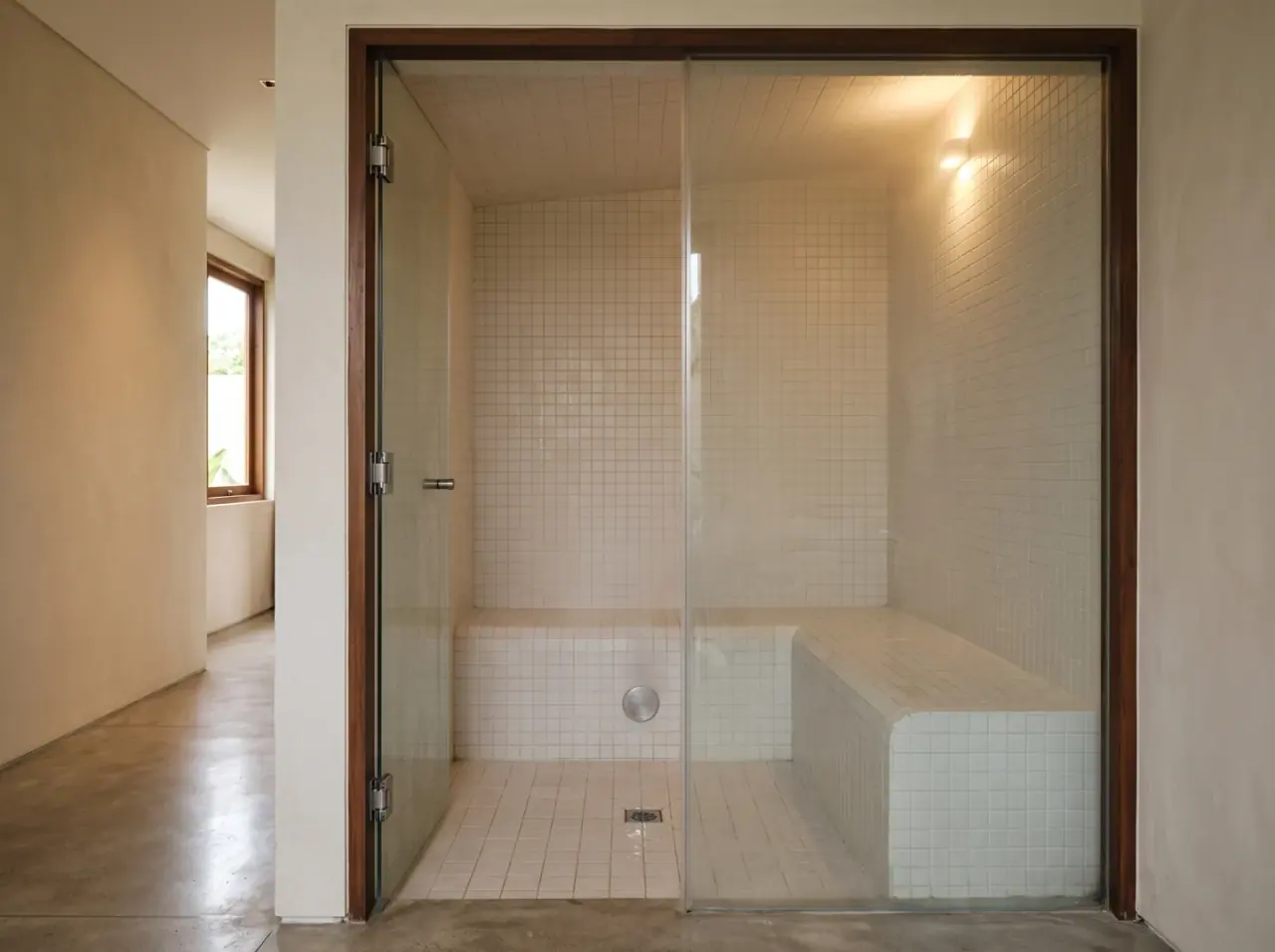
Steam room or dry sauna: choosing for a property in Indonesia
Choose by the experience you want and the construction your property can support. A steam room and a dry sauna need different finishes, equipment and maintenance.
Read the guide →
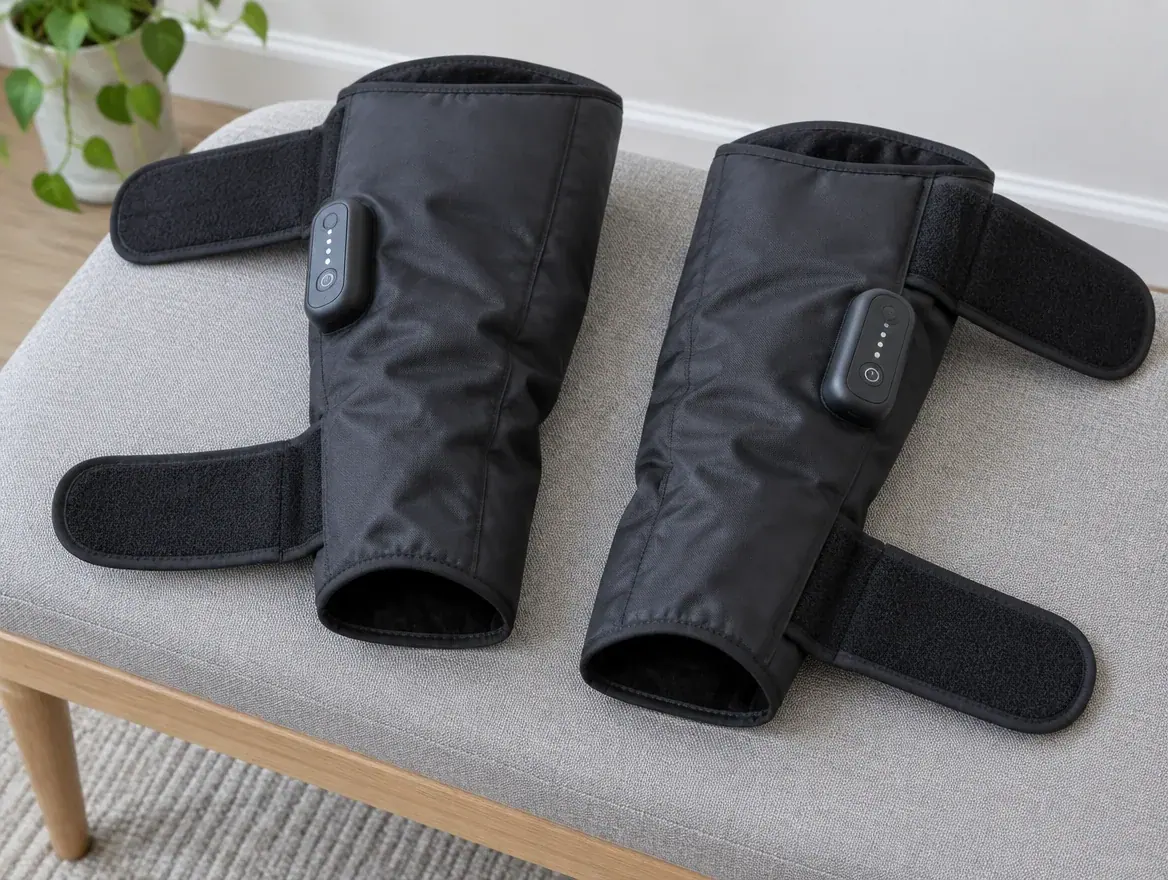
Compression boots or cuffs: fit, pressure and complete kits
A useful comparison starts with coverage: full legs, calves, arms or hips. Then check garment size and compatibility with the control unit. These choices prevent buying a low-priced attachment that cannot connect to your pump.
Read the guide →
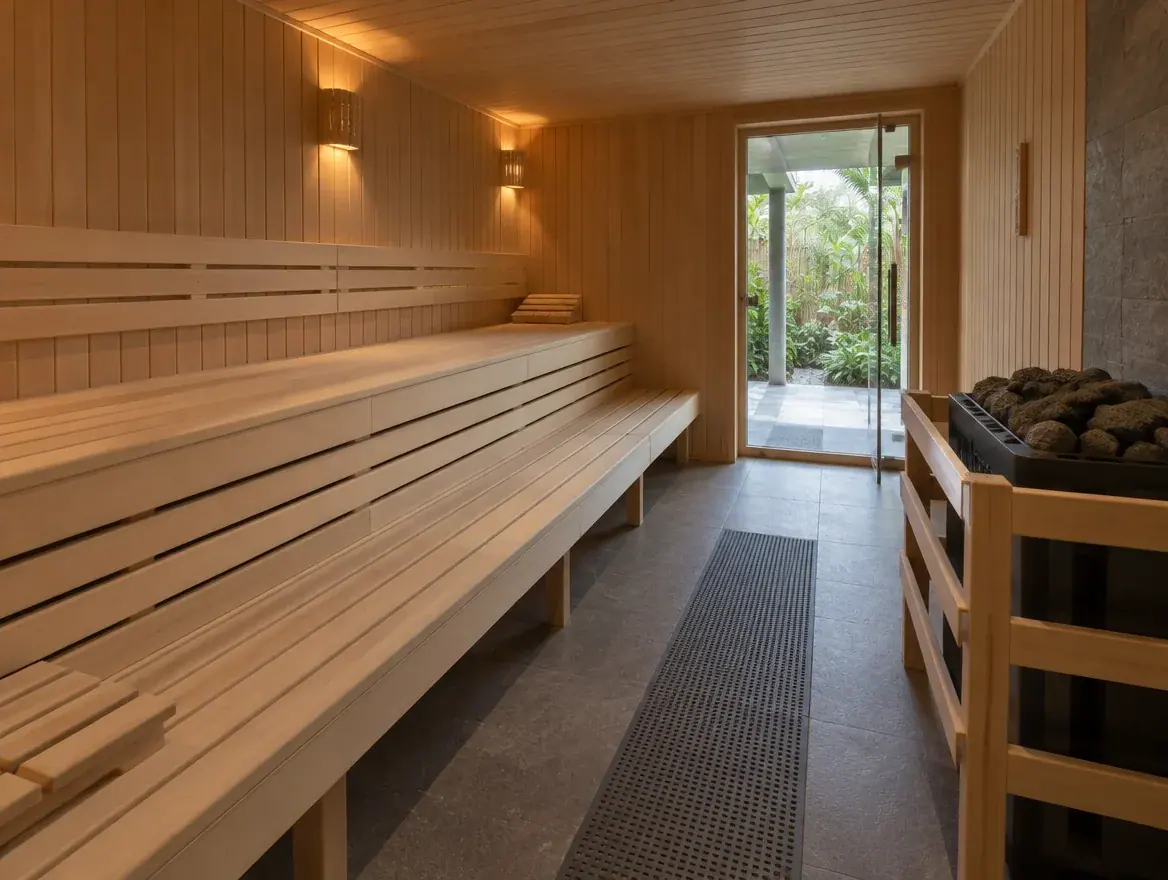
Sauna ventilation and insulation: what to check before a build
A sauna needs a designed airflow route and a complete wall assembly, not just timber panels and two vents.
Read the guide →
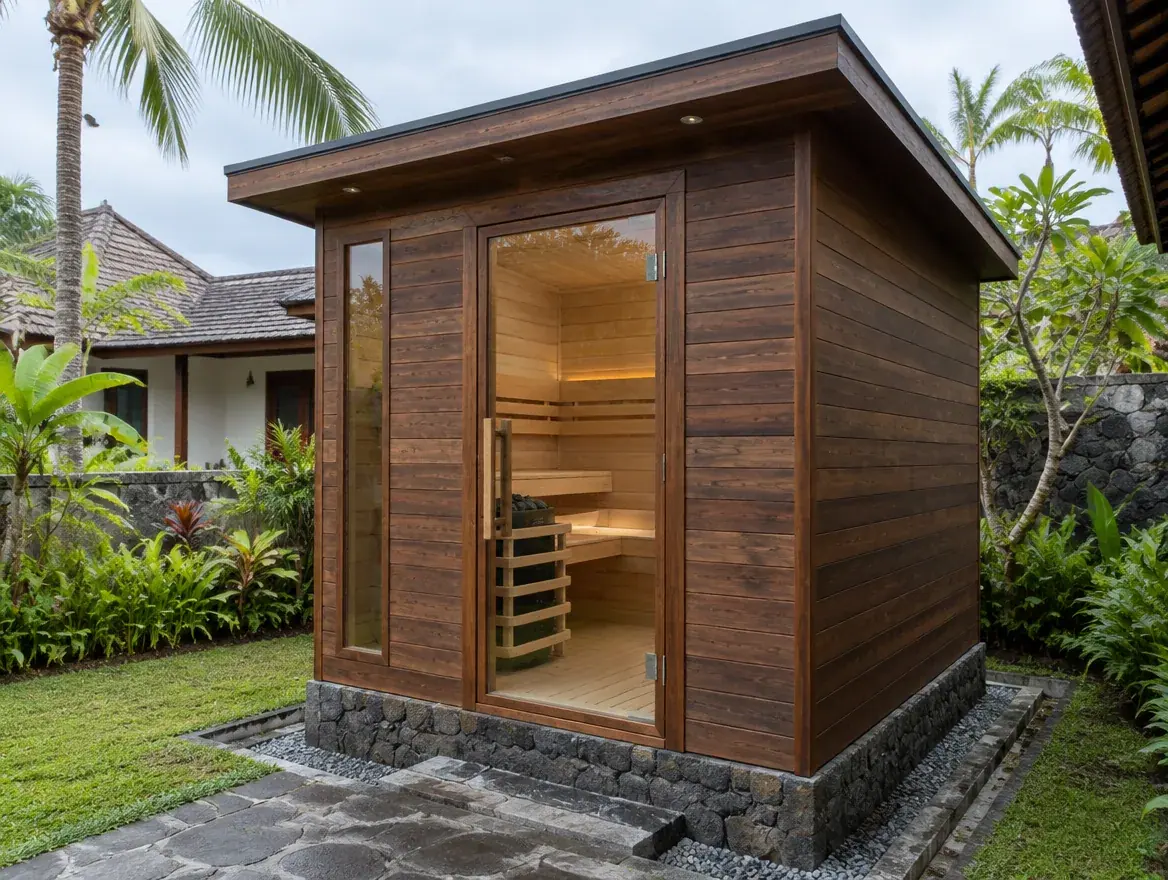
Sauna timber and placement: indoor or outdoor?
Separate the exterior timber, interior surfaces and site requirements when choosing a sauna for Indonesia.
Read the guide →
Ice or a chiller for your ice bath in Indonesia?
Ice can suit occasional use; a compatible chiller can simplify repeated temperature control. Compare preparation time, storage, water care and ownership cost before choosing.
Read the guide →
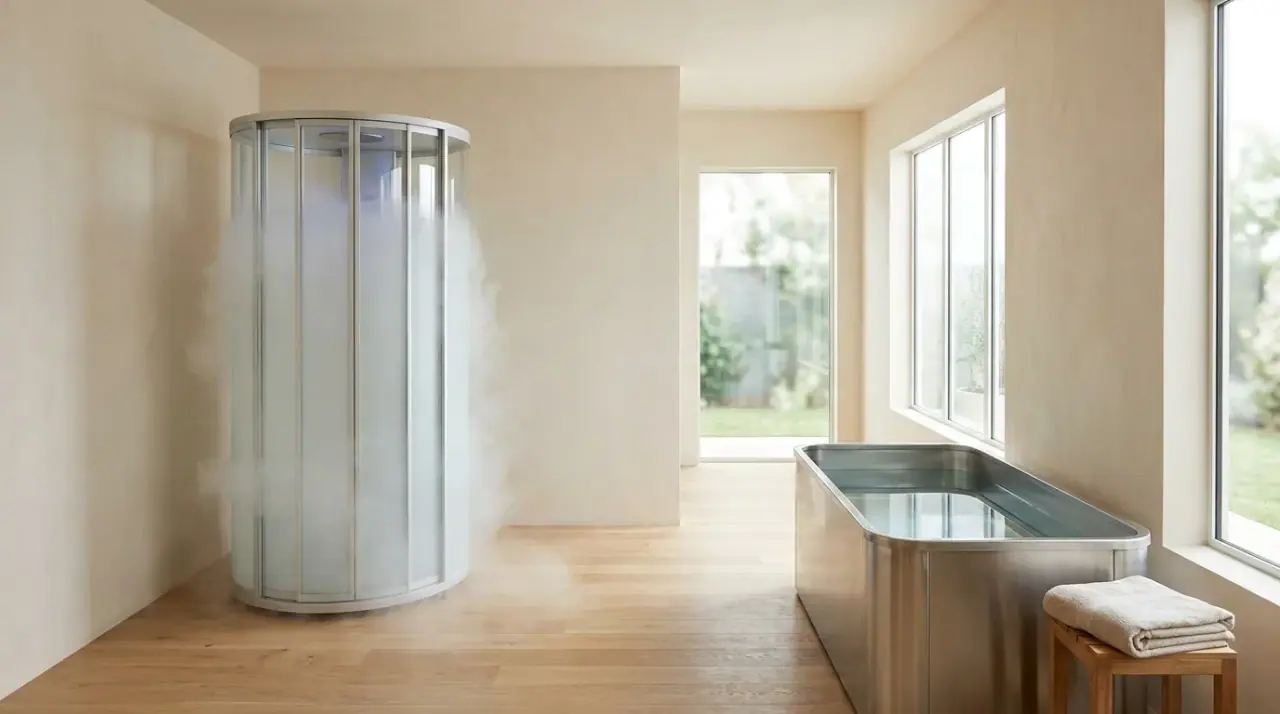
Cryotherapy chamber or cold plunge: planning a Bali wellness space
A cold plunge and a cryotherapy chamber are different systems, not interchangeable versions of the same treatment. Compare the operating setup and responsibilities before the purchase price.
Read the guide →
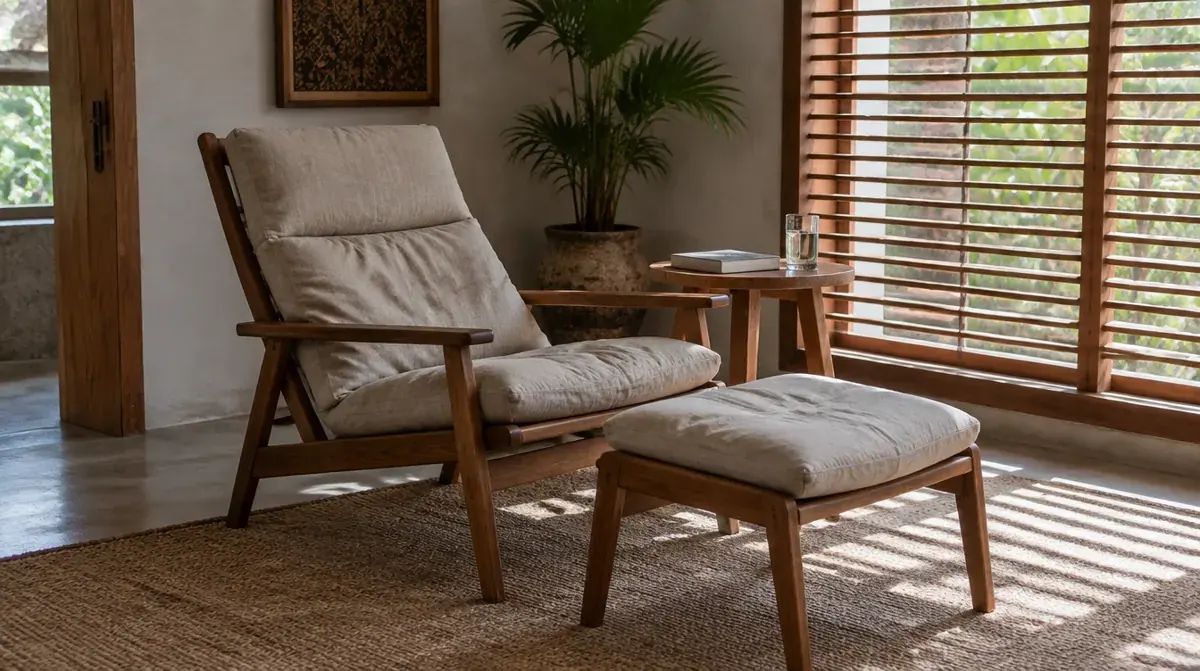
A calm wellness room: plan for regular rest, not more gadgets
A useful wellness area makes it easy to pause without rearranging the room or learning a complicated control panel. Start with how someone will enter, sit, rest and leave. For a home, villa or shared space, comfort and a repeatable routine usually deserve attention before adding another device.
Read the guide →
Wellness devices: when a clinical review comes before buying
Some catalogue devices belong in a professionally assessed service rather than a general relaxation corner. Before buying, identify what the exact device is intended to do, who will assess the user and who is responsible for operation. This guide separates equipment selection from claims that a technology treats a condition.
Read the guide →
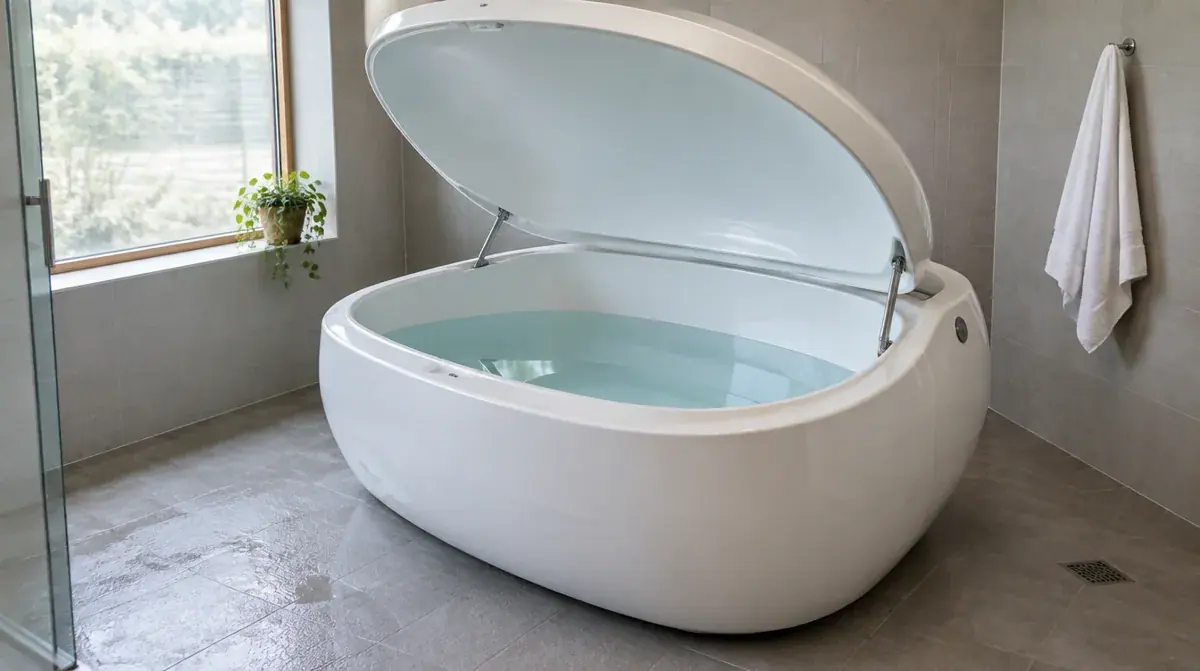
Float pods: relaxation research, comfort and everyday care
Floating combines buoyancy in concentrated saltwater with reduced light and sound. Some people enjoy the quiet and sense of physical support; others prefer an ordinary recliner. A good buying decision considers both the experience and the work required to keep the water, equipment and room ready for use.
Read the guide →
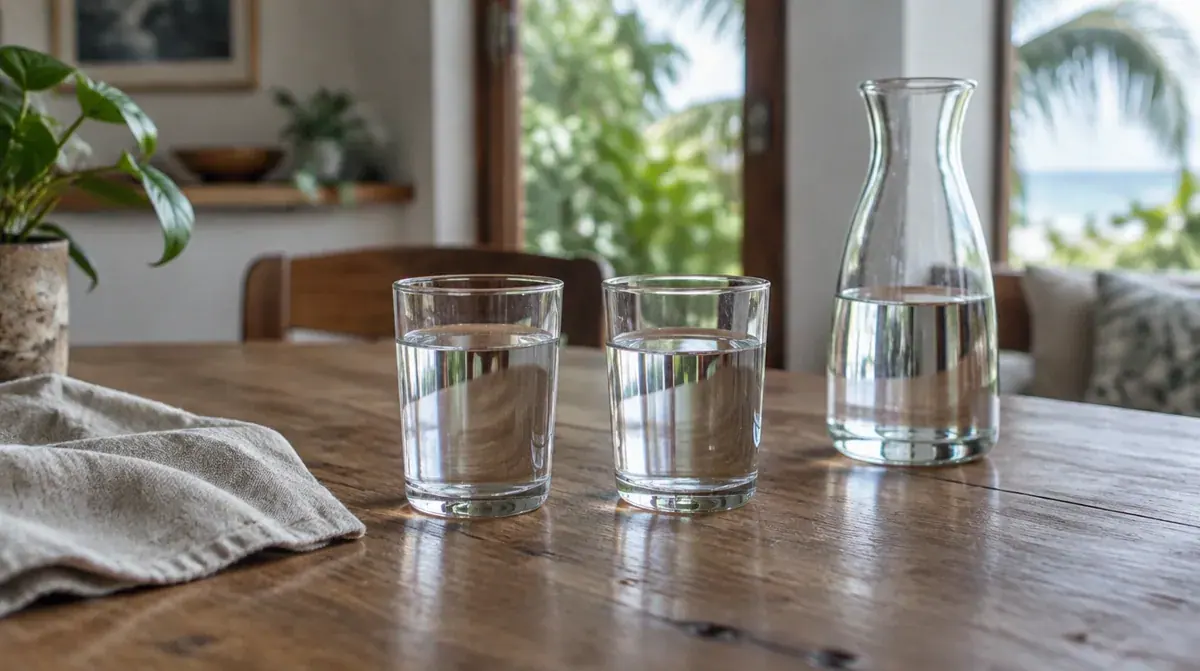
Hydrogen water: what the studies show and what they do not
Hydrogen-rich water contains dissolved molecular hydrogen. It is an optional product category, not a requirement for hydration. Before choosing a generator, separate three questions: is the starting water safe to drink, does the device deliver its documented output, and is there convincing evidence for the benefit being promised?
Read the guide →
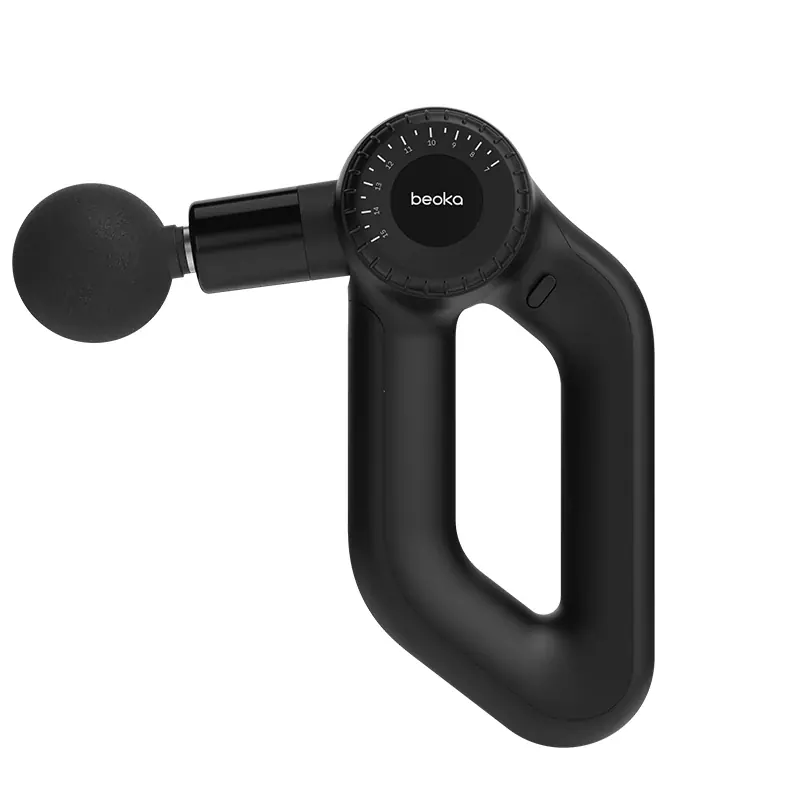
Theragun Prime or Pulse Motion: compare massage guns in Indonesia
A useful massage-gun comparison starts with how you hold and position the device. More stroke or a heavier body is not automatically better. This guide compares published product information; we have not run a head-to-head test. Five Elements sells Pulse Motion models. Theragun is a Therabody product and is not offered in this catalogue; no Therabody affiliation is implied.
Read the guide →
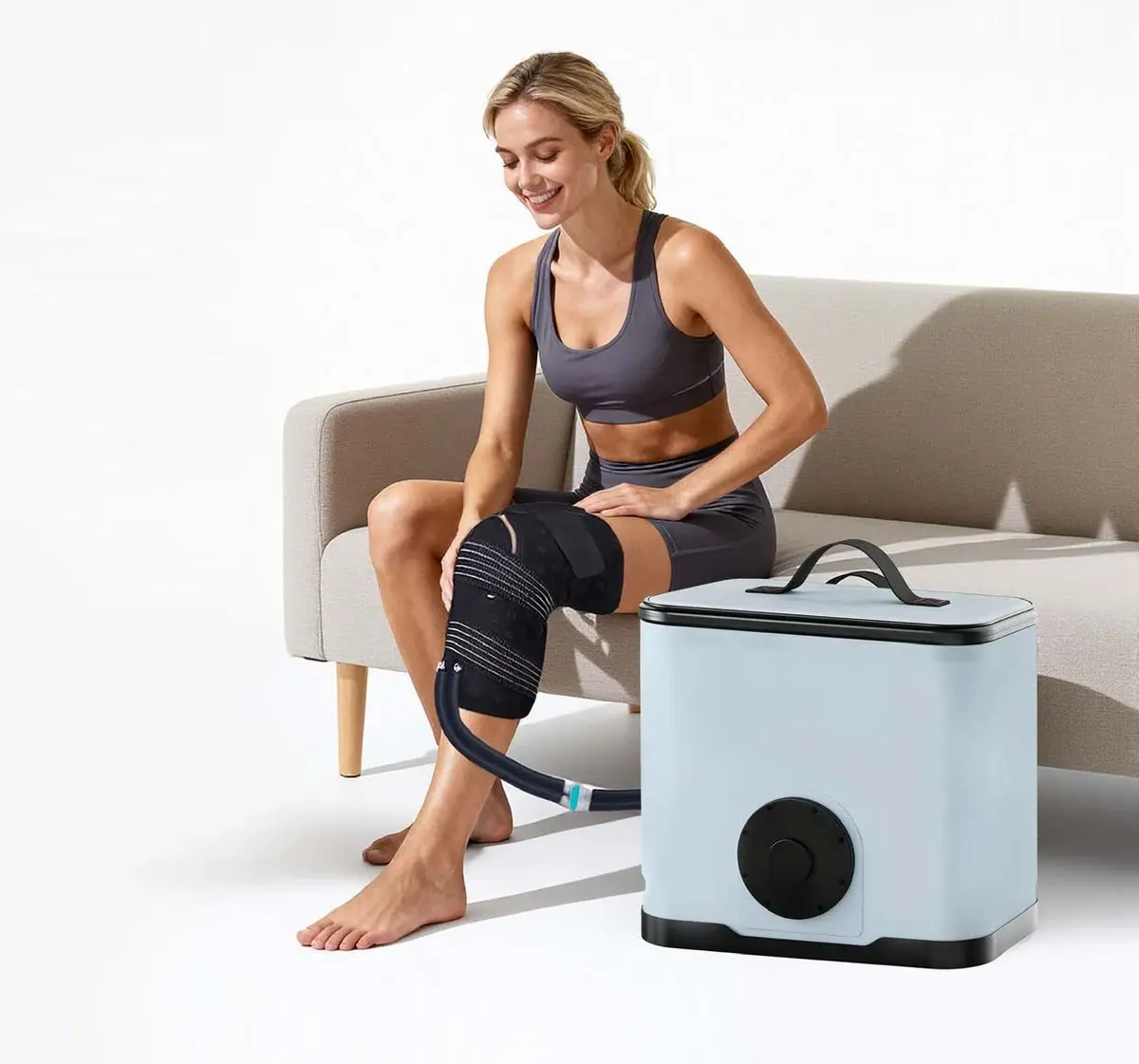
Ice-water circulation or cold compression: which local system should you choose?
Choose by the required function first: local cold-water circulation, cold with pressure control, or both heat and cold without preparing ice. These are different setups, even when photographs show similar hoses and body wraps.
Read the guide →
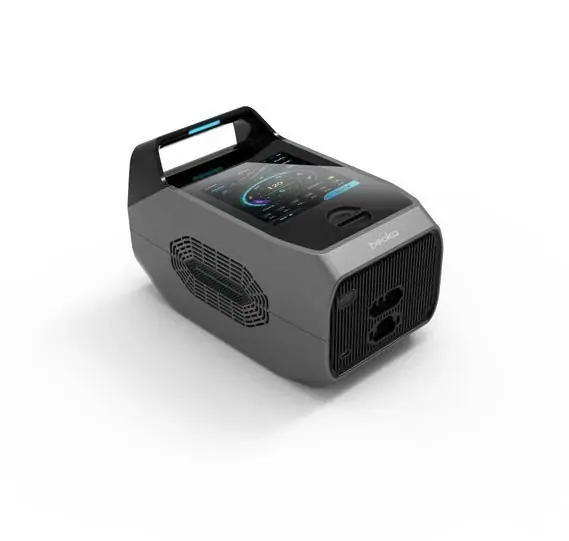
Thermoelectric or compressor: comparing ice-free local hot-and-cold systems
The Five Elements thermoelectric and compressor systems have the same listed temperature ranges, reservoir volume and case dimensions. Their cooling mechanisms and main-unit weights differ. That is a useful starting point, but it does not prove which system will suit your room or workflow better.
Read the guide →
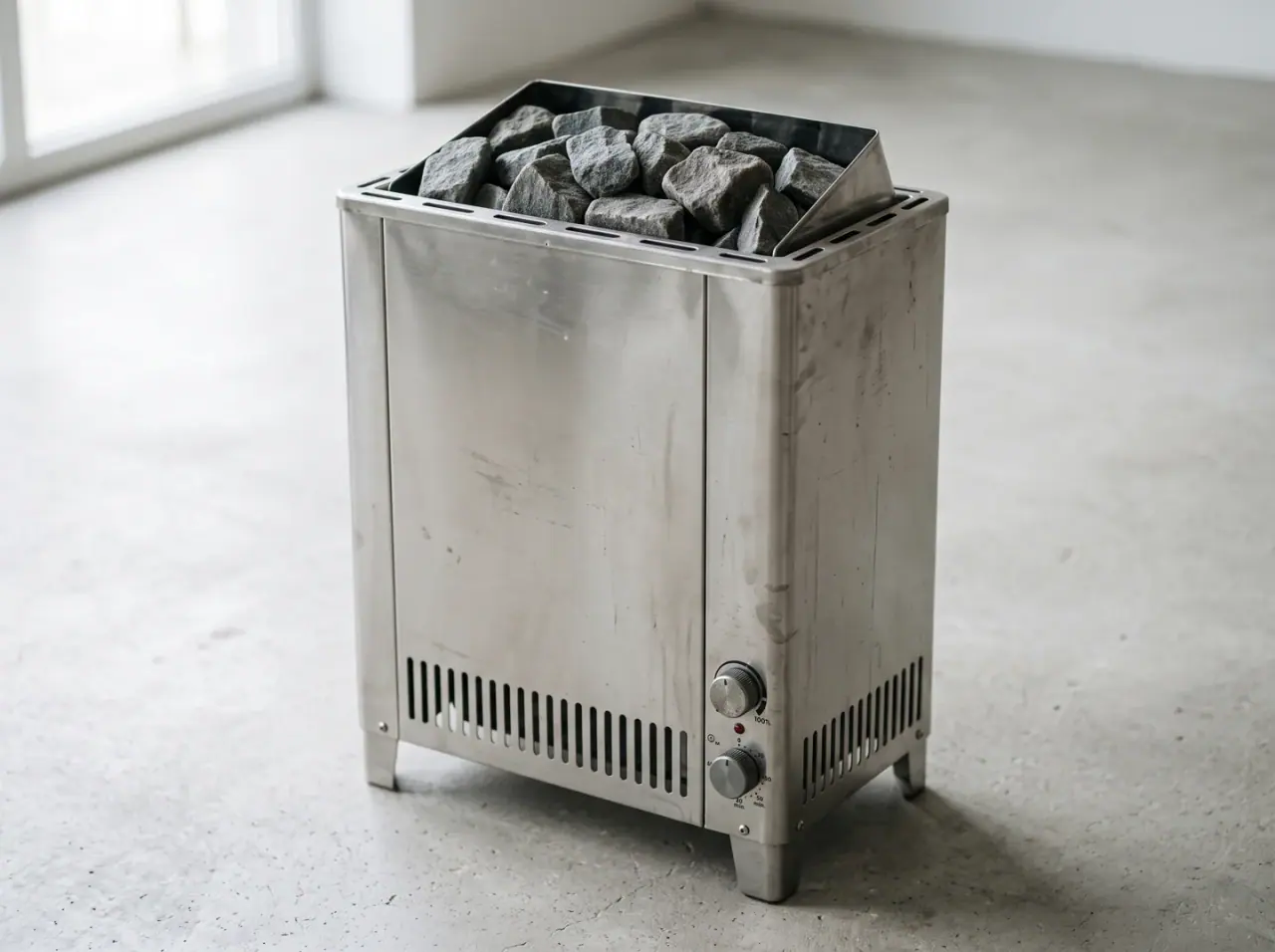
Choosing a sauna heater in Indonesia: electric or wood-fired?
An electric heater needs a suitable electrical installation; a wood-fired stove needs a suitable flue and fire-safe construction. Start with the site, then choose the model.
Read the guide →
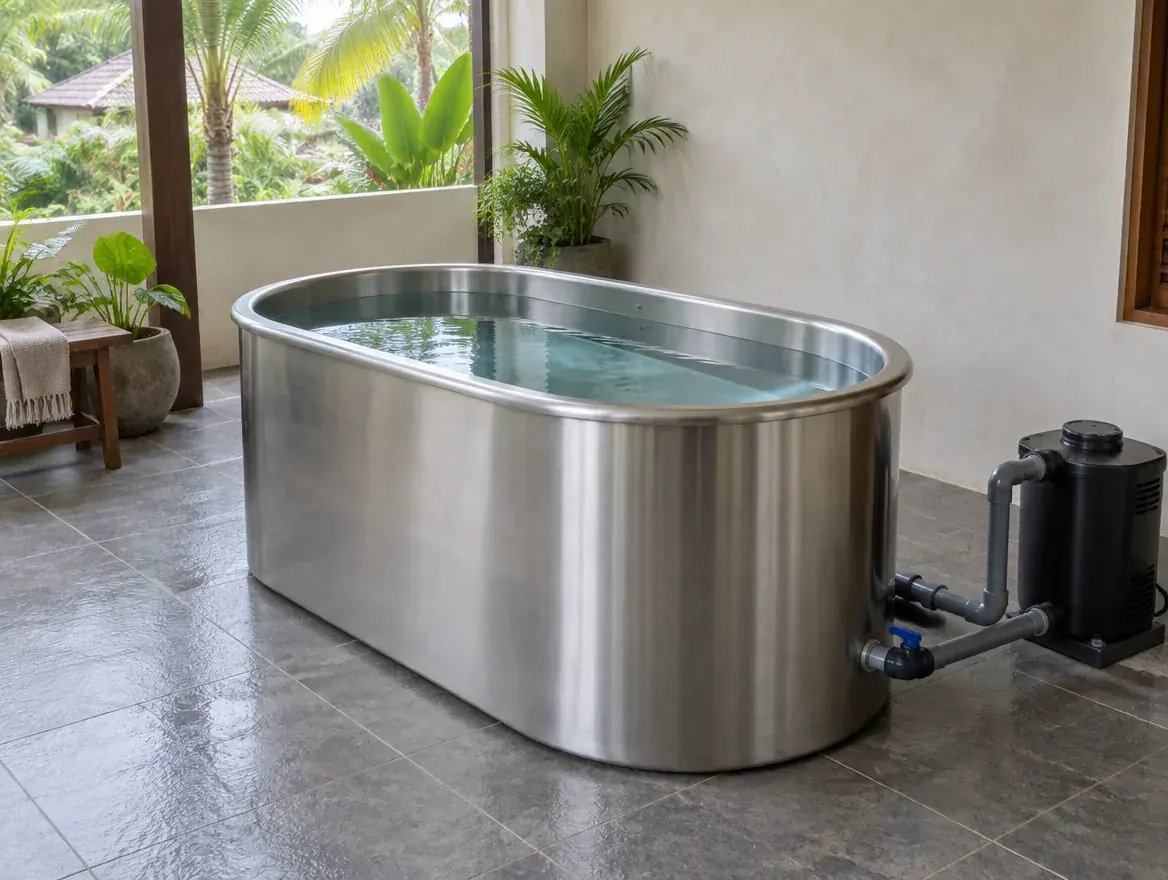
Cold plunge maintenance: water, filters and service access
An ice bath needs a maintenance plan matched to its model and users. Filtration, surface cleaning and water treatment do different jobs; a fixed universal water-change interval is not a reliable buying promise.
Read the guide →
Planning equipment for your space?
Tell us your city and the equipment you are considering. We will help compare configurations and prepare a quotation.
Chat on WhatsAppEquipment mentioned in this article
 Select a configurationAsk for photos
Recovery & Performance
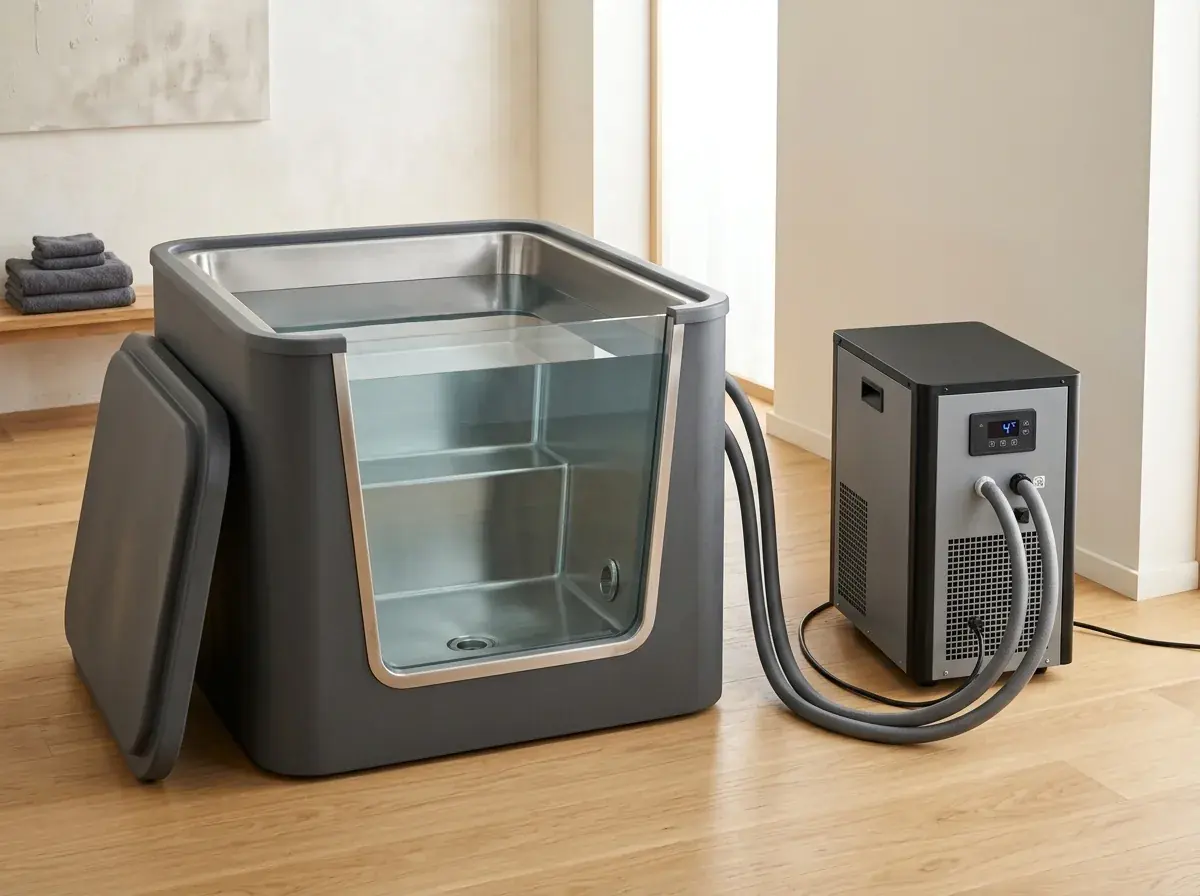
Commercial cold plunge with chiller
Keep a cold-plunge experience ready with a matched tub and cooling system.
Rp 54.907.200
≈ $3,100 · Per unit