Massage guns: realistic benefits, useful settings and limits
September 30, 2026 · 4 min read
Updated: 2026-09-30
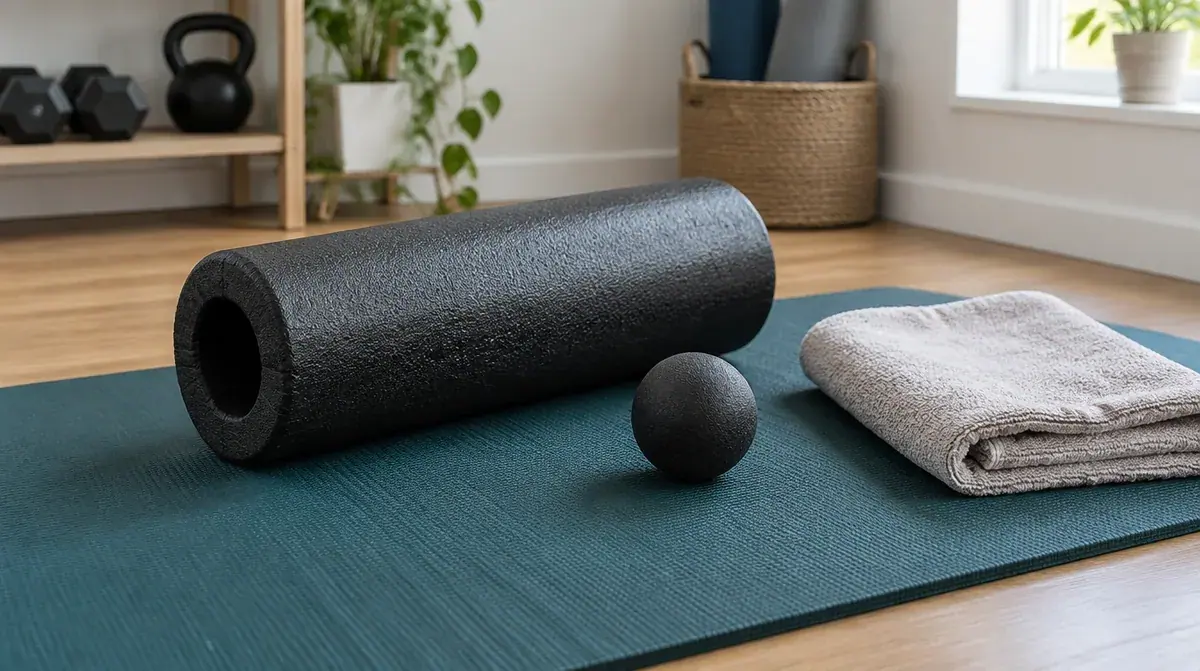
A massage gun may be useful for someone who enjoys a controllable self-massage routine. The important questions are what outcome you expect and whether you can use the device comfortably. A longer stroke, a higher speed or a professional-looking case does not by itself demonstrate better recovery. Compare the experience and evidence before comparing impressive numbers.
Published by Five Elements · wellness equipment supplier
What has research actually found?
A systematic review found possible short-term improvements in flexibility, but the included studies had substantial risk of bias. Performance outcomes were not consistently improved. These findings support a cautious discussion about movement and comfort, not a promise of injury prevention or muscle repair. They also do not establish one best setting for all people or activities.
Can it replace a massage therapist or physiotherapist?
No. Different manual massage techniques have their own evidence, and that evidence does not automatically apply to a percussive device. NCCIH describes benefits that are often short-term and evidence that varies by condition. A clinician can assess a problem and adapt care; a consumer device cannot explain why an area hurts or decide what treatment is needed.
Make the first comparison about handling
Try holding the candidate device in the position you would actually use. Can you reach the intended area without straining your other arm? Can you change or stop the setting with a secure grip? Compare weight with the attachment fitted, handle shape, control visibility and storage. A lighter model you can control may fit your routine better than a larger machine.
What do stroke and speed mean?
Stroke is the mechanical travel of the attachment; it is not a measurement of penetration into muscle. Speed describes repeated movement, while an adjustable arm changes positioning. Keep those specifications separate. Ask for a demonstration of each control and compatible attachment. Do not assume a named recovery programme has been tested clinically simply because it appears on the screen.
Use comfort as a limit, not a challenge
Follow the selected model’s instructions for permitted body areas, attachment, contact and duration. Do not improvise use over the head, front of the neck, broken skin or an unexplained painful area. The aim is controllable contact rather than maximum pressure. Stop for unexpected pain, tingling or bruising. Persistent symptoms deserve assessment rather than repeated attempts at a stronger setting.
Who should get advice before self-massage?
NCCIH reports rare serious harms associated with massage, especially vigorous approaches or vulnerable patients. Ask a clinician first if you have a relevant condition, take medicines that affect bleeding or are recovering from injury or surgery. A manufacturer’s checklist still needs to be followed. Avoid using a device to postpone evaluation of an ongoing medical problem.
How can a gym offer it responsibly?
Keep instructions available, demonstrate stopping and clean approved attachments between users. Check whether the unit permits shared commercial use and whether replacement parts are available. Do not label an unsupervised device as physiotherapy. A simple user log about comfort and faults can help staff improve the service without inventing claims about healing or athletic performance.
What should you request before buying in Indonesia?
Send your intended use, preferred weight and whether one person or several clients will use it. Request the full attachment list, charging arrangement, care instructions and demonstration of the controls. Compare convenience with the options of a roller or manual massage. The useful purchase is a tool that fits the task, not the machine with the most aggressive specification.
Choose equipment
Research and sources
About this guide and its sources
Five Elements publishes these guides to help compare equipment and plan its use. Research findings apply to the devices, participants and conditions studied. Model specifications and operating instructions must be checked for the version offered. Any individual treatment decision belongs with an appropriately qualified professional.
Dates above identify publication and substantive updates. Linked sources let you inspect the evidence; catalogue cards show current equipment prices. To report an error or request a model document, contact Five Elements with the page address and equipment name.
Benefits, evidence and practical guides
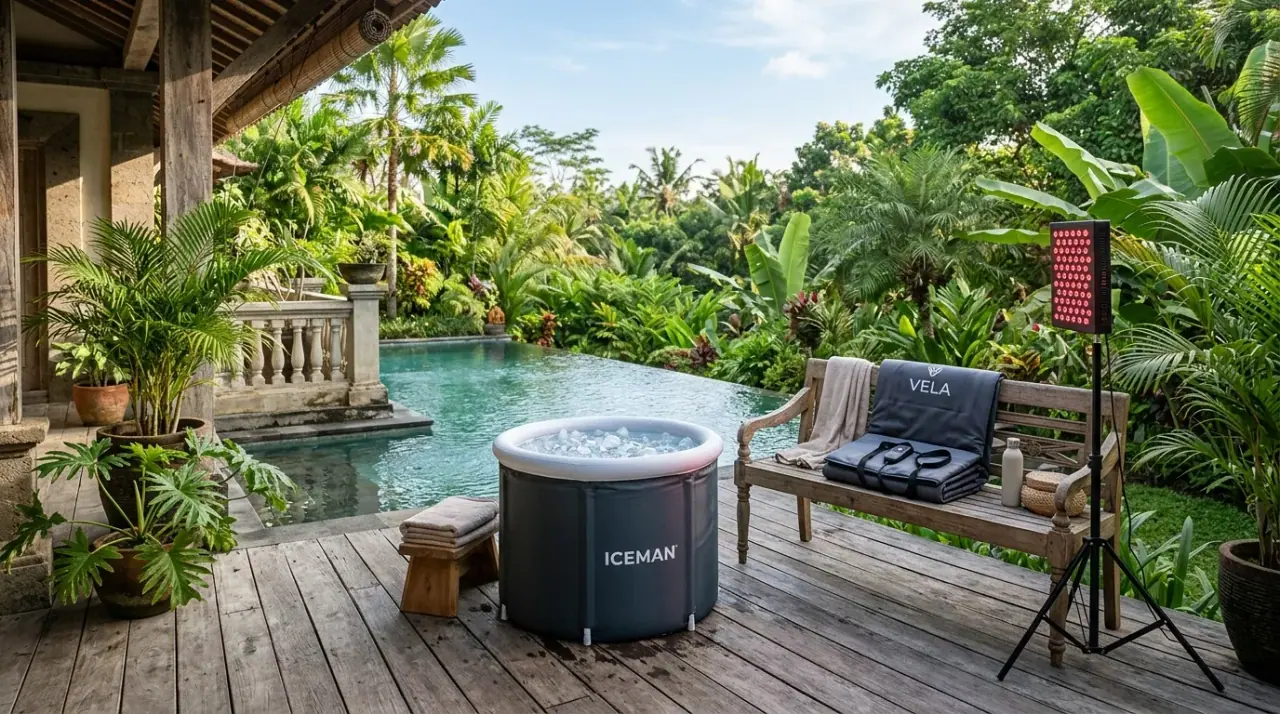
A home wellness setup for a Bali villa: space and priorities
A good home setup is easy to reach, use and put away. Begin with one clear routine and check the space before adding more devices. This guide helps compare a portable option, a fixed installation and a dedicated room without assuming that every home needs a full treatment menu.
Read the guide →
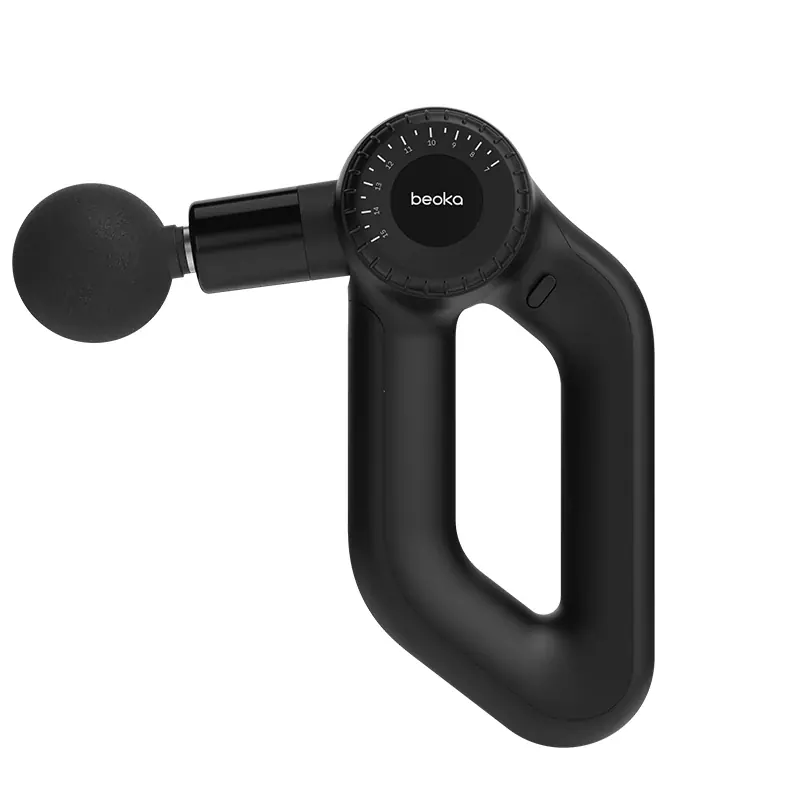
Massage guns: compare adjustable amplitude, size and handling
Pulse Motion, Pulse Motion Plus and Pulse Motion Max let you change the mechanical stroke. Pulse Studio and Pulse Travel keep it fixed. That distinction, together with the weight and handle shape, is more useful than choosing by the model name alone.
Read the guide →
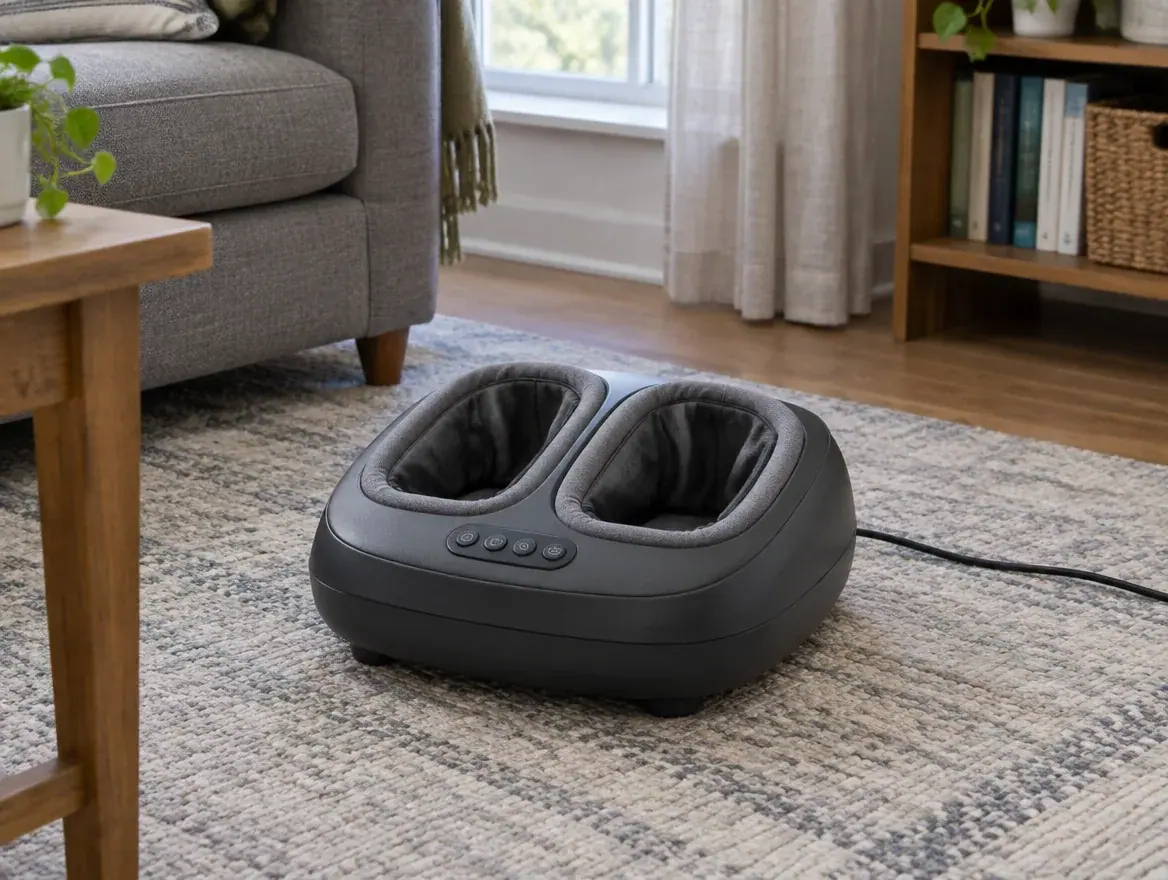
Massage gun, foot massager or vibrating roller: how to choose
Choose the mechanism and contact area before comparing motor power or programme count. A useful selection for a home, villa or gym also considers posture, cleaning and who will operate the device.
Read the guide →
Planning equipment for your space?
Tell us your city and the equipment you are considering. We will help compare configurations and prepare a quotation.
Chat on WhatsApp