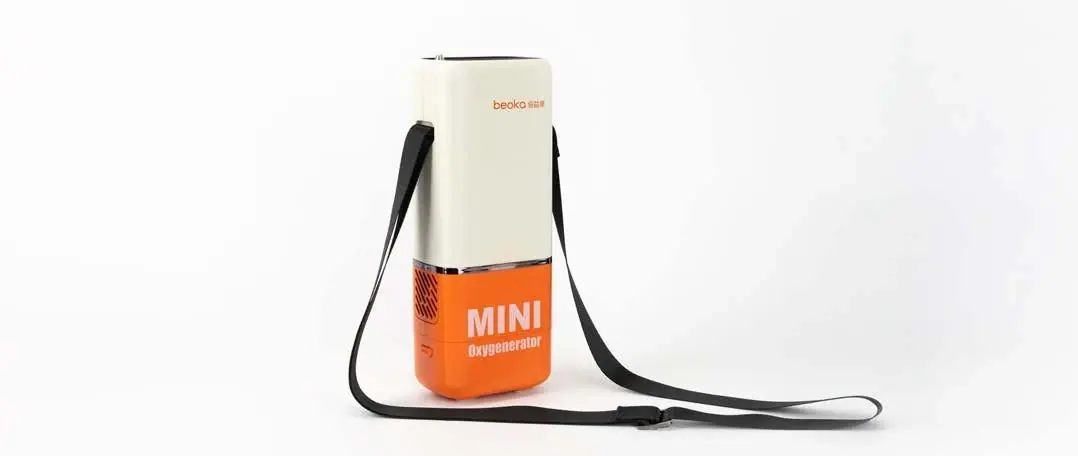
Travelling with an oxygen concentrator: planning for Indonesia
September 30, 2026 · 4 min read
Updated: 2026-09-30
For someone already prescribed oxygen, a portable unit can support mobility only when it meets their clinical needs and travel requirements. Plan the whole journey before choosing a model.
Published by Five Elements · wellness equipment supplier
Begin with the prescribed delivery mode
Confirm with the treating team which delivery mode and oxygen setting are needed during the journey. Pulse settings and continuous litres per minute are different specifications; the same number on two devices does not establish equivalence. Ask for the specification and operating manual of the exact supplied version.
Check the airline, not just the product label
FAA acceptance criteria are a useful reference for relevant flights, but they are not a blanket approval for every route or airline. Contact each operating carrier, including connecting flights. Ask about the exact model, documentation, battery requirements and when the device may be used. A product labelled portable is not automatically accepted on board.
Prepare the paperwork early
Garuda Indonesia publishes a medical information form that includes questions about in-flight oxygen needs. The form shows why the airline needs medical and operational information; it is not a guarantee of acceptance for a particular traveller. Confirm the current process and submission deadline directly with the carrier.
Plan power for the entire trip
Account for travel to the airport, check-in, delays, connections and the trip after landing. FAA guidance requires suitable spare-battery planning and protection against damage or short circuit for applicable travel. Do not assume access to aircraft power. Ask the equipment provider for battery duration at the prescribed setting, charging time and a compatible backup plan.
What to send in an equipment enquiry
Send the route, travel dates, exact prescribed mode, expected time away from power and the airline requirements you received. We can compare documented device configurations; the treating team and carrier decide clinical suitability and travel acceptance. Keep their decisions separate from a sales quotation so an attractive weight or price does not hide a missing requirement.
Choose equipment
Research and sources
About this guide and its sources
Five Elements publishes these guides to help compare equipment and plan its use. Research findings apply to the devices, participants and conditions studied. Model specifications and operating instructions must be checked for the version offered. Any individual treatment decision belongs with an appropriately qualified professional.
Dates above identify publication and substantive updates. Linked sources let you inspect the evidence; catalogue cards show current equipment prices. To report an error or request a model document, contact Five Elements with the page address and equipment name.
Benefits, evidence and practical guides
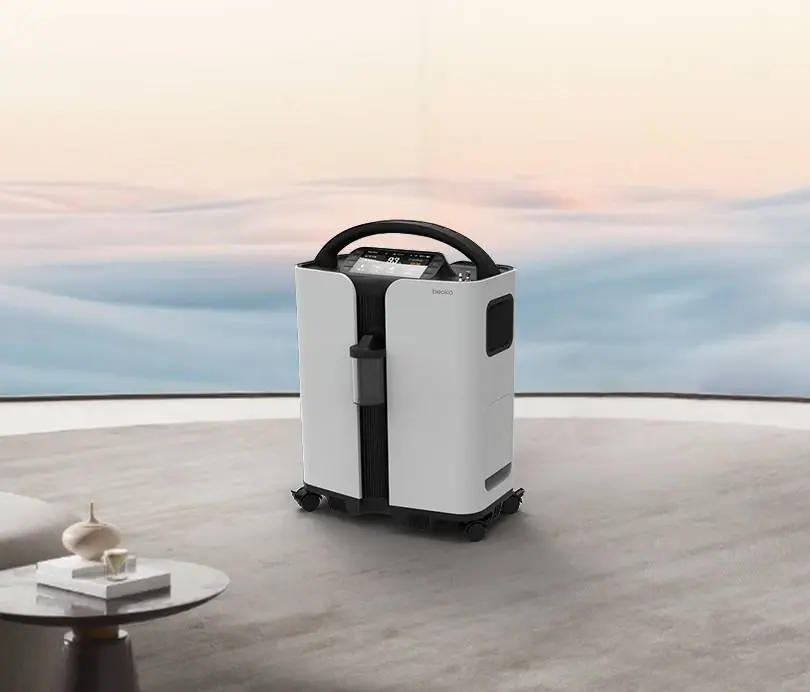
Portable or Stationary Oxygen Concentrator: What to Compare
Begin with the required oxygen delivery. Then compare the portable or stationary format, power supply and exact model documentation.
Read the guide →

Home oxygen: who it helps and why the prescription comes first
An oxygen concentrator is equipment for a defined oxygen-delivery need. It should not be chosen as a general wellness upgrade for a healthy person. Start with clinical assessment and a written treatment plan, then find the device that can meet that plan. Portability, appearance and a large output label cannot decide whether supplemental oxygen is appropriate.
Read the guide →
Planning equipment for your space?
Tell us your city and the equipment you are considering. We will help compare configurations and prepare a quotation.
Chat on WhatsAppEquipment mentioned in this article
Equipment photos on request
Wellness & Home Equipment
Five Elements AirGo Slim — Compact Pulse Oxygen Concentrator
Carry a slim pulse-dose oxygen unit when it matches your prescription.
Rp 21.254.400
≈ $1,200 · Per unit