Portable or Stationary Oxygen Concentrator: What to Compare
September 26, 2026 · 5 min read
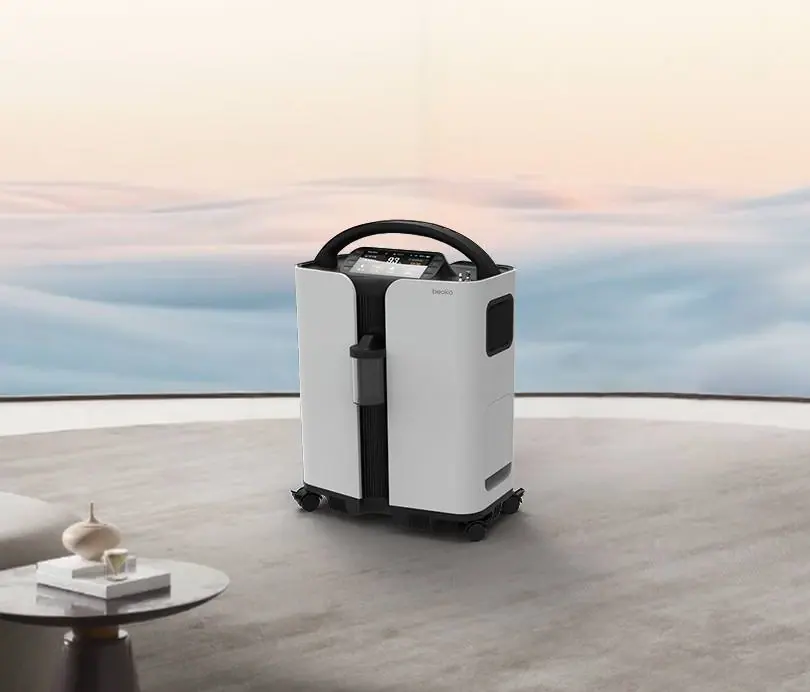
AirHome Five — manufacturer catalogue image
Begin with the required oxygen delivery. Then compare the portable or stationary format, power supply and exact model documentation.
Published by Five Elements · wellness equipment supplier
Start with the delivery requirement
A small concentrator is not automatically a replacement for a larger one. First establish the required delivery mode and settings with a qualified healthcare professional. Portable describes how equipment can be carried; it does not define the amount of oxygen it can deliver.
Pulse dose and continuous flow
Continuous flow supplies gas at a defined rate over time. Pulse-dose equipment releases a dose in response to inhalation. A pulse setting of 3 is not a universal equivalent of 3 L/min. Compare the manufacturer’s delivery table, including the conditions under which concentration and output are measured.
What the listed output figures mean
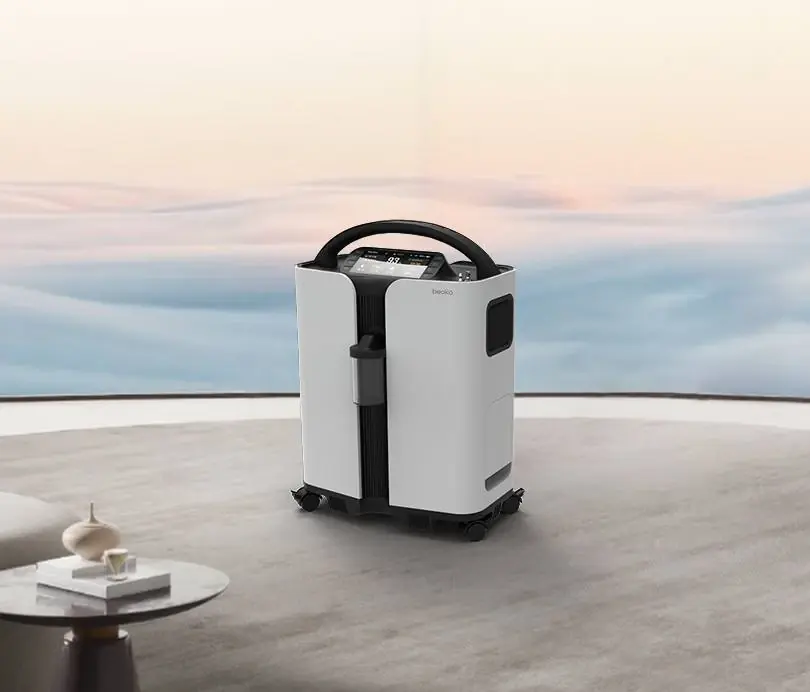
AirGo Slim and AirGo Carry are compact pulse devices with a listed maximum production figure of 500 mL/min. AirGo Journey, AirGo Horizon and AirGo Summit list pulse-output figures of 1.0, 1.2 and 1.4 L/min respectively. Neither these numbers nor a promotional continuous-flow equivalent can replace the actual settings table. The AirHome Five is a larger, 5 L/min-class floor-standing family. Its exact version and performance at the required setting must be confirmed.
Portable equipment: compare the complete carry kit
Ask for the weight with the selected battery, bag and accessories. Request runtime at the intended setting and the charging time, rather than calculating hours from battery capacity alone. Check whether the adapter, connectors and any vehicle power option belong to the selected version. Travel use also requires checking the operator’s rules for the exact equipment.
Stationary equipment: plan its location
A floor-standing concentrator needs the ventilation clearances in its manual, a suitable power connection and access for maintenance. Plan tubing so that it does not create a trip hazard. Discuss a power-failure plan with the care team; a stated backup mode may provide a different output from normal operation.
A short checklist for a useful quote
Share the prescribed mode and settings, exact model, location in Indonesia and preferred power arrangement. Ask for the performance table, manual, included accessories, alarm list, service terms and current images. This makes two quotations comparable and helps avoid ordering a visually similar but different revision.
Use and safety
Use oxygen under professional direction and follow the exact model instructions. Keep smoking, flames, oils and grease away from the oxygen equipment and tubing. A concentrator is not a ventilator, a hyperbaric chamber or a general energy-boost treatment.
Can one concentrator cover home and travel use?
Possibly, but confirm that the exact model meets the required delivery in each intended situation and has a workable power plan. Portability alone does not establish suitability.
Can I choose the largest output to be safe?
Choose the documented delivery that matches the professional assessment. A larger label does not tell you whether the mode, setting, alarms or battery kit are appropriate.
Choose equipment
Research and sources
About this guide and its sources
Five Elements publishes these guides to help compare equipment and plan its use. Research findings apply to the devices, participants and conditions studied. Model specifications and operating instructions must be checked for the version offered. Any individual treatment decision belongs with an appropriately qualified professional.
Dates above identify publication and substantive updates. Linked sources let you inspect the evidence; catalogue cards show current equipment prices. To report an error or request a model document, contact Five Elements with the page address and equipment name.
Benefits, evidence and practical guides
Travelling with an oxygen concentrator: planning for Indonesia
For someone already prescribed oxygen, a portable unit can support mobility only when it meets their clinical needs and travel requirements. Plan the whole journey before choosing a model.
Read the guide →
Home oxygen: who it helps and why the prescription comes first
An oxygen concentrator is equipment for a defined oxygen-delivery need. It should not be chosen as a general wellness upgrade for a healthy person. Start with clinical assessment and a written treatment plan, then find the device that can meet that plan. Portability, appearance and a large output label cannot decide whether supplemental oxygen is appropriate.
Read the guide →
Planning equipment for your space?
Tell us your city and the equipment you are considering. We will help compare configurations and prepare a quotation.
Chat on WhatsAppEquipment mentioned in this article
Equipment photos on request
Wellness & Home Equipment
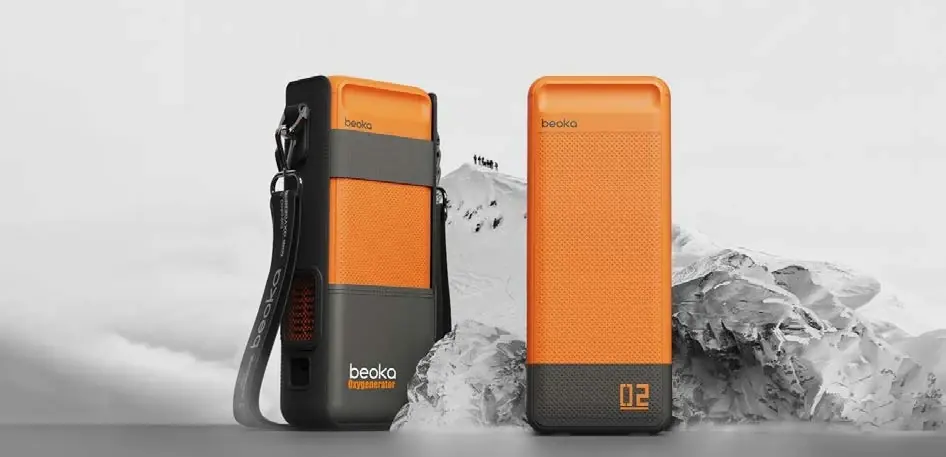
Five Elements AirGo Slim — Compact Pulse Oxygen Concentrator
Carry a slim pulse-dose oxygen unit when it matches your prescription.
Rp 21.254.400
≈ $1,200 · Per unit
 Select a configuration
Wellness & Home Equipment
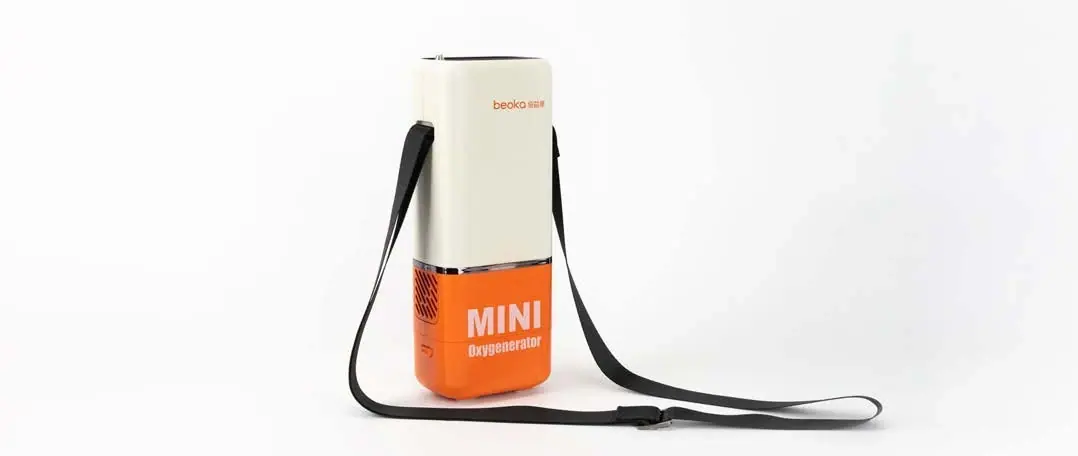
Five Elements AirGo Mini — Mini Oxygen Concentrator
Compare a compact oxygen device for an individually prescribed oxygen plan.
Rp 18.597.600
≈ $1,050 · Per unit
 Select a configuration
Wellness & Home Equipment
Five Elements AirGo Carry — Portable Oxygen Concentrator
Keep prescribed pulse-dose oxygen support in a portable format.
Rp 19.483.200
≈ $1,100 · Per unit
 Select a configuration
Wellness & Home Equipment
Five Elements AirHome Five — 5 L/min Oxygen Concentrator
Plan a stationary oxygen setup around a prescribed flow requirement.
Rp 15.055.200
≈ $850 · Per unit
 Select a configuration
Wellness & Home Equipment
Five Elements AirGo Journey — Portable Oxygen Concentrator
Compare a portable oxygen configuration by its prescribed delivery needs.
Rp 32.767.200
≈ $1,850 · Per unit