A calm wellness room: plan for regular rest, not more gadgets
September 30, 2026 · 3 min read
Updated: 2026-10-01
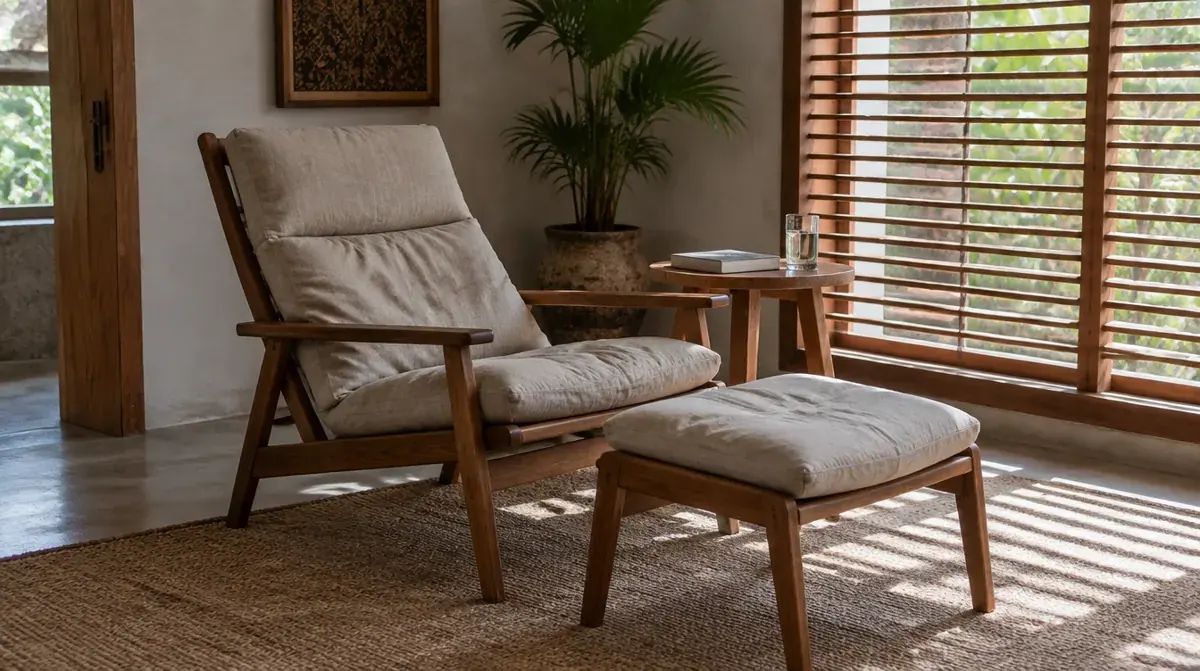
A useful wellness area makes it easy to pause without rearranging the room or learning a complicated control panel. Start with how someone will enter, sit, rest and leave. For a home, villa or shared space, comfort and a repeatable routine usually deserve attention before adding another device.
Published by Five Elements · wellness equipment supplier
Choose one main purpose
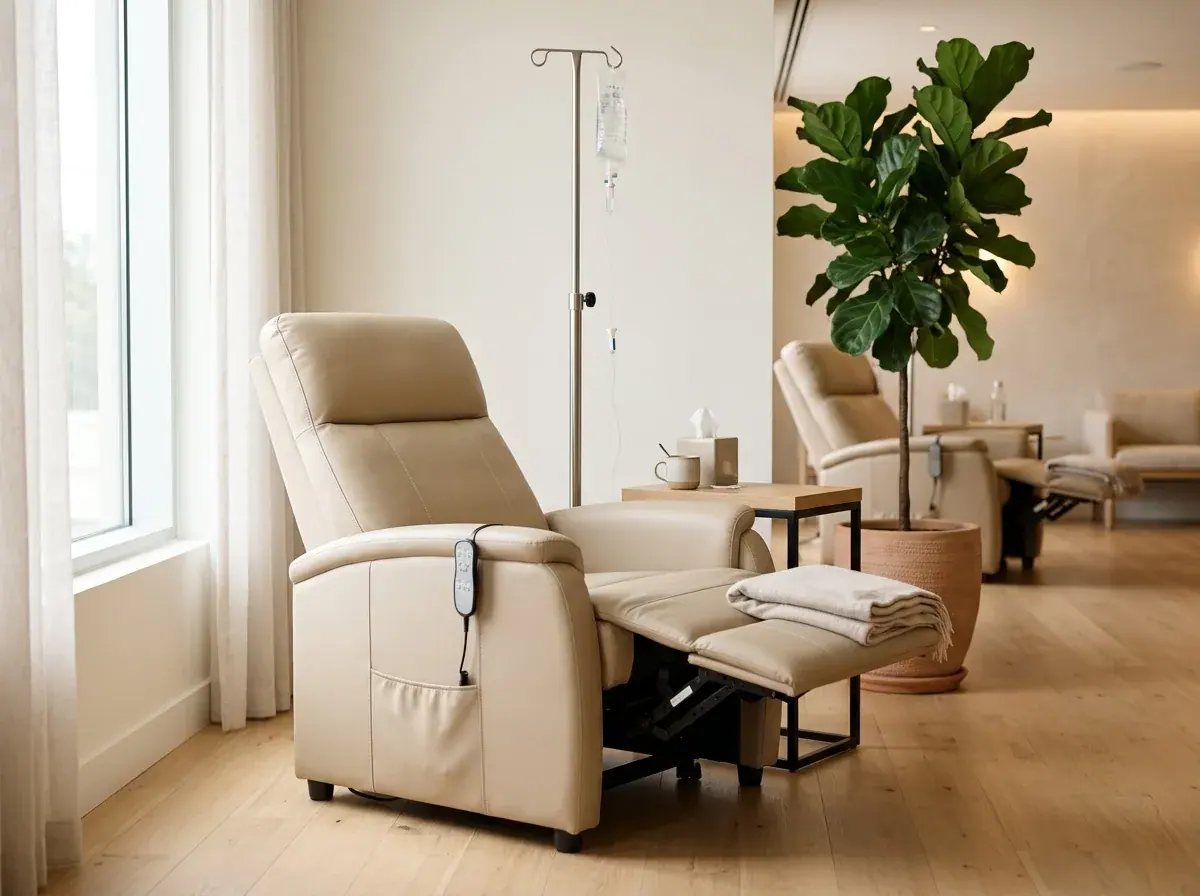
Decide whether the area is for quiet reading, a screen-free break, guided relaxation or a professionally supervised service. These uses do not need identical furniture. A treatment recliner is not automatically the best everyday armchair, and extra functions should have a clear purpose. Measure the route into the room as well as the final position, including space to recline and stand up.
Make the seat work for the person
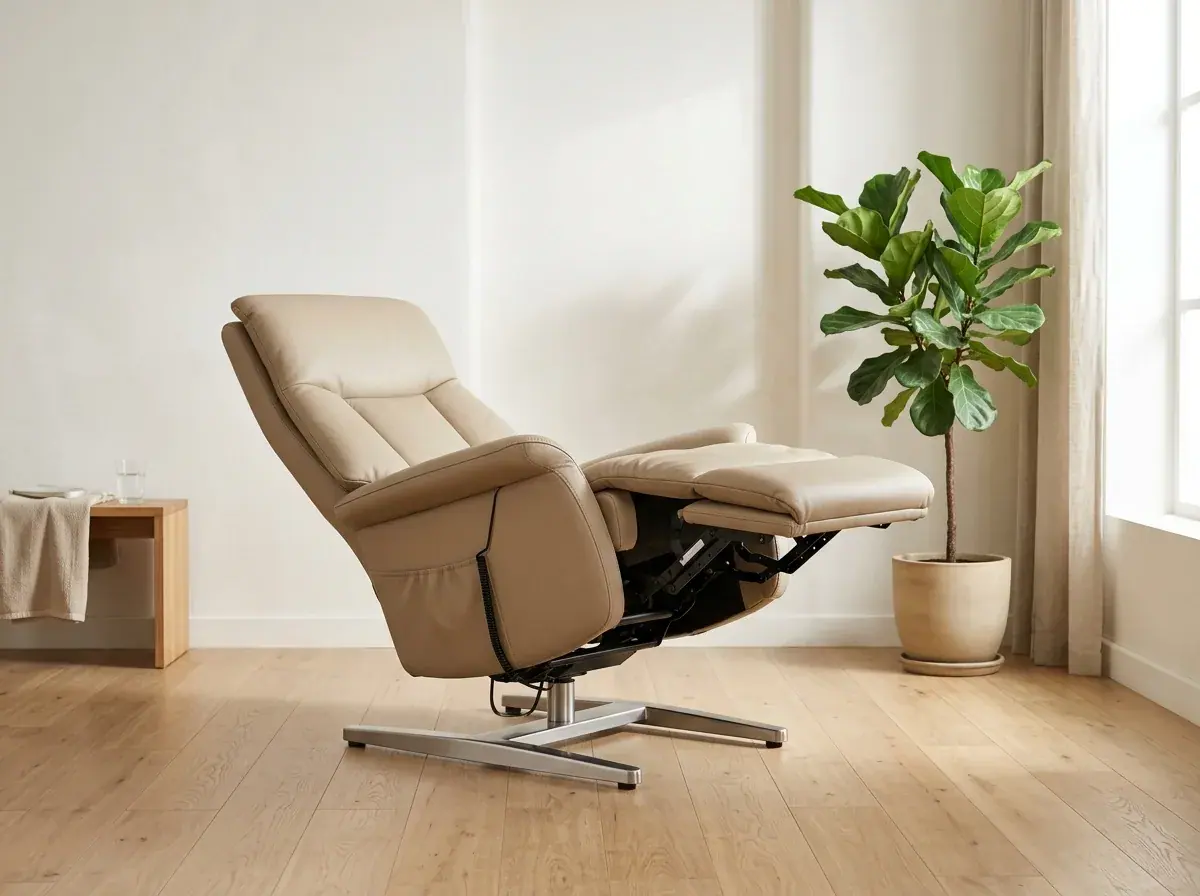
Check seat height, back and head support, armrests, controls and ease of getting out. Try the adjustments if possible. A label such as zero gravity describes a reclined configuration, not literal weightlessness or a medical outcome. Confirm the load rating, dimensions and cleaning instructions for the selected model rather than relying on a lifestyle photograph.
Give users control of the surroundings
Reduce intrusive sound and glare, and offer comfortable ventilation without a strong draft. Adjustable lighting is more useful than forcing every visitor into darkness. For winding down before bed, official sleep advice supports a quiet routine and avoiding bright artificial light. That does not mean that a decorative colour mode treats insomnia or that a daytime rest area must remain dark.
Sunrise lamp or a clinical light-therapy device?
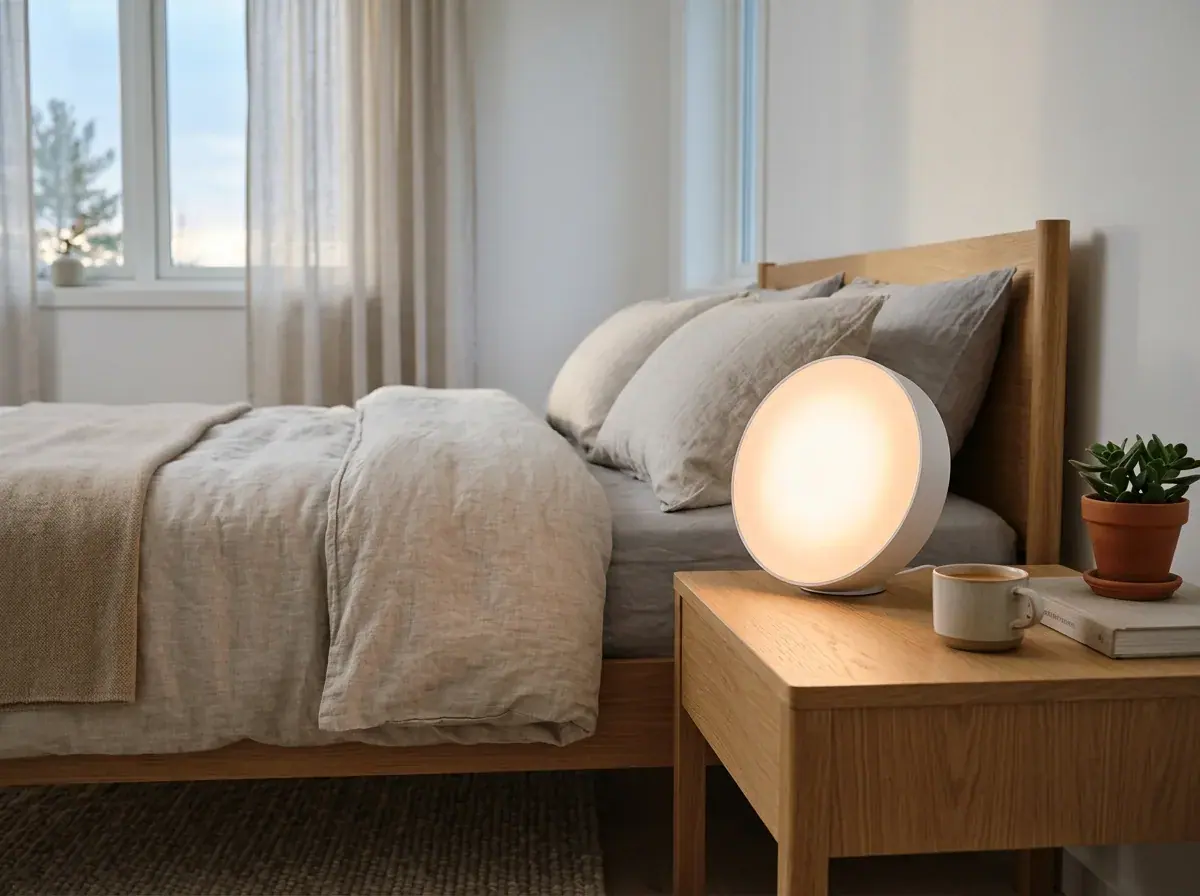
A gradual bedside light can make an alarm routine easier to set up. It is not automatically equivalent to a prescribed bright-light device. NHLBI notes that timing matters for circadian treatment and depends on the problem. For a decorative sunrise light, compare brightness controls, timer behaviour and an easy off setting; do not promise treatment of insomnia or jet lag.
Keep relaxation separate from sleep treatment
Relaxation can form part of healthy sleep habits, but an afternoon in a recliner does not replace sufficient sleep. Persistent sleep difficulty needs assessment rather than an expanding list of wellness accessories. If the room includes sound, heat or vibration, allow an easy off setting; a person should not have to accept every feature to sit comfortably.
Plan the unglamorous details
Keep walkways and cables clear, controls reachable and personal belongings within easy reach. For shared use, choose surfaces and accessories with workable cleaning procedures and leave time between appointments. Ask about servicing and replacement parts before purchasing. Separate equipment intended for clinical procedures from a general rest area; the furniture alone does not authorize or make a medical service safe.
Judge the room by whether people use it
Start with one suitable chair and the environmental changes that solve the actual problem. Test noise, glare, temperature and access at the time the room will be used. Ask users what stops them relaxing rather than promising a quantified recovery benefit. Add equipment only when its purpose, instructions and upkeep are understood. A calm space should be easy to return to.
Research and sources
About this guide and its sources
Five Elements publishes these guides to help compare equipment and plan its use. Research findings apply to the devices, participants and conditions studied. Model specifications and operating instructions must be checked for the version offered. Any individual treatment decision belongs with an appropriately qualified professional.
Dates above identify publication and substantive updates. Linked sources let you inspect the evidence; catalogue cards show current equipment prices. To report an error or request a model document, contact Five Elements with the page address and equipment name.
Benefits, evidence and practical guides
Hydrogen Equipment: Intended Use, Evidence and Cost Planning
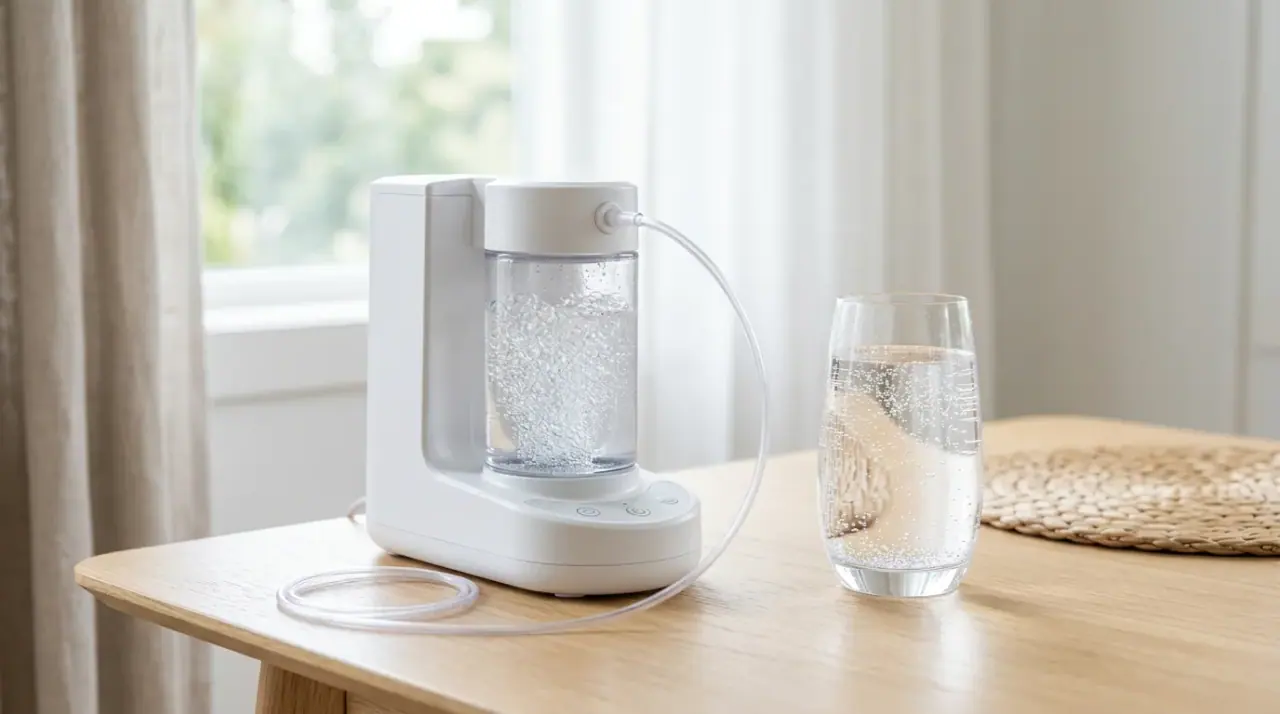
Before considering hydrogen equipment, separate three questions: what the exact device is intended to do, what evidence supports that use and what its operation would cost. Interest in a technology does not establish demand at a particular clinic. Include staffing where required, consumables, cleaning, maintenance and downtime; passive use does not make running costs negligible.
Read the guide →
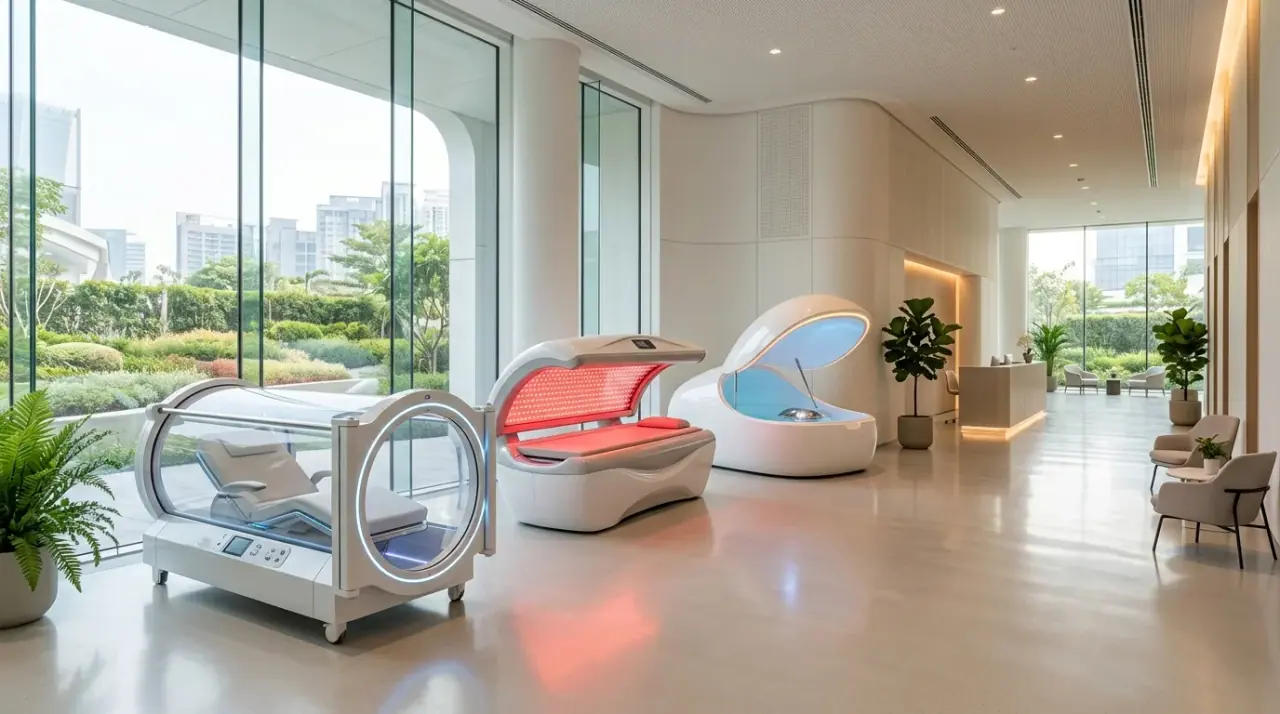
10 wellness equipment types to compare for a new project
This is a comparison checklist, not a sales ranking or evidence that ten technologies extend lifespan. Some options support an everyday routine; others require clinical assessment and a much more demanding operating setup. Select only the functions your project can explain and deliver.
Read the guide →
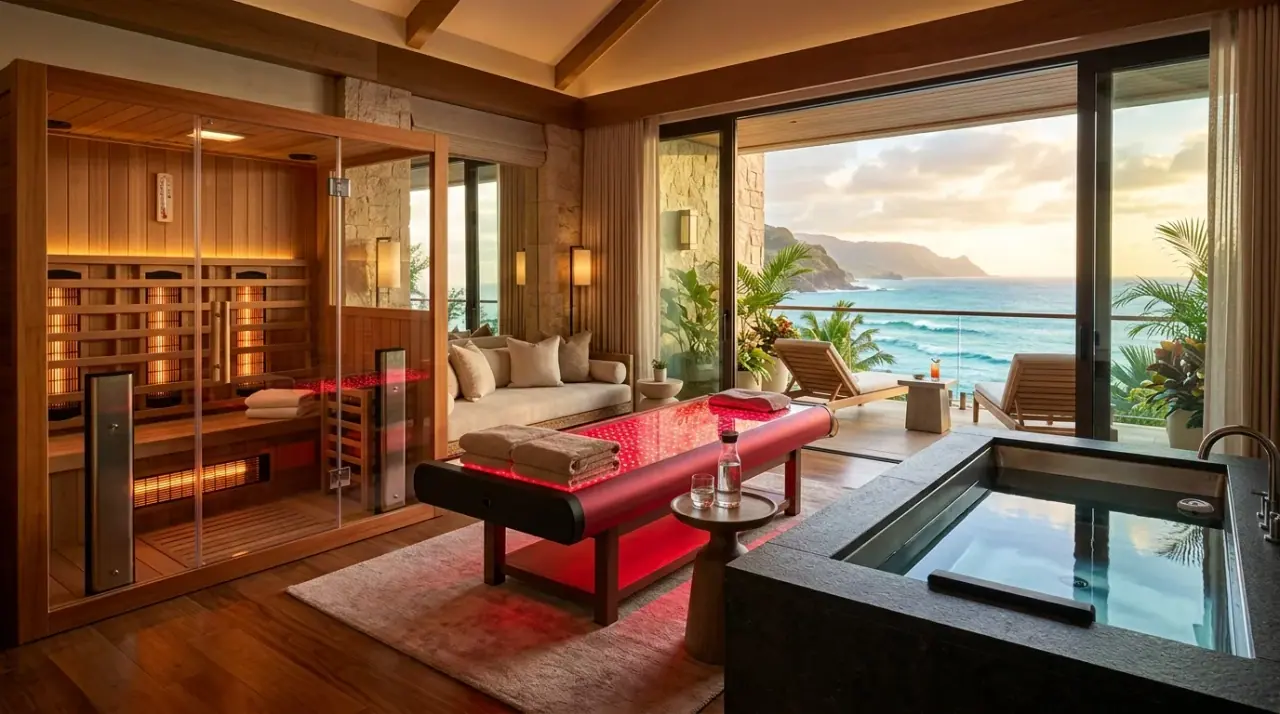
Hotel Recovery Room: Equipment and Operating Plan
A hotel recovery room can be planned as a bookable service or an included guest amenity. Its value depends on the guests, operating team and property budget. Define the intended experience, confirm equipment requirements and test demand before expanding the room or presenting projected revenue as established income.
Read the guide →
More articles (3)
Wellness devices: when a clinical review comes before buying
Some catalogue devices belong in a professionally assessed service rather than a general relaxation corner. Before buying, identify what the exact device is intended to do, who will assess the user and who is responsible for operation. This guide separates equipment selection from claims that a technology treats a condition.
Read the guide →
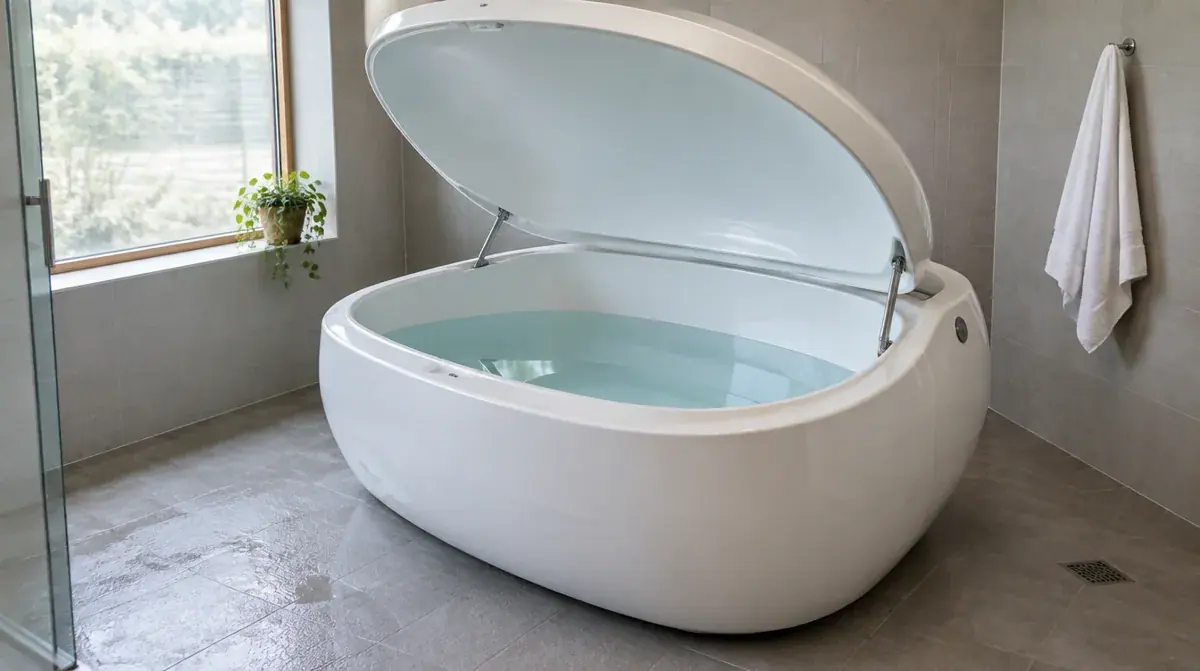
Float pods: relaxation research, comfort and everyday care
Floating combines buoyancy in concentrated saltwater with reduced light and sound. Some people enjoy the quiet and sense of physical support; others prefer an ordinary recliner. A good buying decision considers both the experience and the work required to keep the water, equipment and room ready for use.
Read the guide →
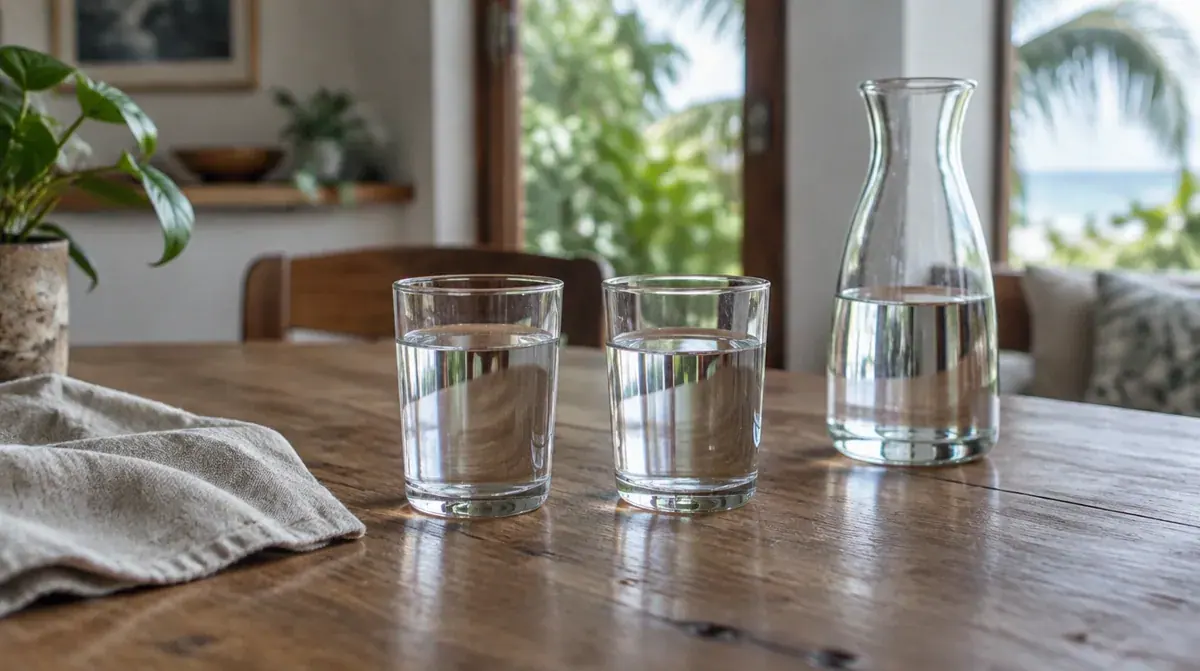
Hydrogen water: what the studies show and what they do not
Hydrogen-rich water contains dissolved molecular hydrogen. It is an optional product category, not a requirement for hydration. Before choosing a generator, separate three questions: is the starting water safe to drink, does the device deliver its documented output, and is there convincing evidence for the benefit being promised?
Read the guide →
Planning equipment for your space?
Tell us your city and the equipment you are considering. We will help compare configurations and prepare a quotation.
Chat on WhatsAppEquipment mentioned in this article
 Select a configuration
Wellness & Home Equipment
Zero-Gravity Recovery Chair
Find a supported resting position with recline, warmth and optional vibration.
Rp 22.140.000
≈ $1,250 · Per unit