Ice baths after exercise: recovery benefits and their limits
September 30, 2026 · 4 min read
Updated: 2026-09-30
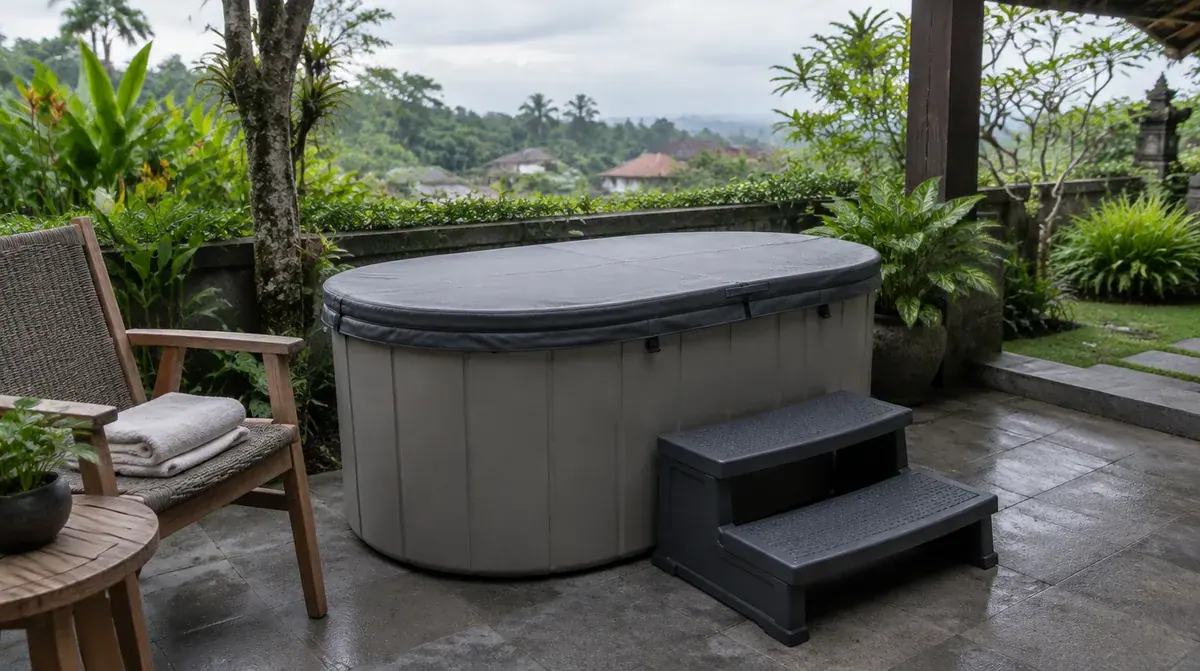
An ice bath can be an optional part of a recovery routine, especially when feeling less sore matters between demanding activities. It is not a shortcut to better fitness. Decide what you want to improve before buying a tub: comfort after sport, a personal routine or a service for guests all require different practical decisions.
Published by Five Elements · wellness equipment supplier
What benefit is supported?
A Cochrane review found some evidence of less post-exercise soreness compared with passive rest. The trials were small and study quality was low. Feeling less sore is a useful outcome, but it does not establish faster tissue repair, injury prevention or a guaranteed improvement in the next training session.
Does an ice bath help muscle growth?
A later systematic review suggests that regularly using cold-water immersion immediately after resistance exercise may reduce muscle-growth adaptations. Evidence quality limits certainty. If building muscle is your priority, discuss the timing with your coach instead of automatically finishing every strength session with a plunge. Competition recovery and long-term training adaptation are different goals.
Choose an outcome you can actually observe
Write down the activity, how you felt afterwards and whether your next planned activity was manageable. Keep sleep, food and training load in the picture. A pleasant sensation straight after a plunge is not a measurement of inflammation or biological age. Avoid changing several recovery methods at once if you want to understand what fits your routine.
Prepare the setting before entering
Know how to leave the tub without help from slippery edges. Use stable steps, a dry walking route and supervision appropriate to the user. Keep your head above water; do not combine immersion with breath-holding challenges. Cold shock can abruptly disturb breathing and place stress on circulation. Being fit does not remove that immediate response.
Who needs an individual assessment?
A person with a heart or circulation condition, episodes of fainting or another condition affected by cold needs advice from a qualified clinician before considering immersion. Do not use an online temperature challenge as a screening test. Stop if you feel unwell; breathing difficulty, chest pain or collapse require urgent help, not encouragement to finish a timer.
Is colder water always better?
No single lowest temperature proves better recovery for every user. A chiller’s minimum setting is a machine specification, not a recommendation for your body. Agree a suitable approach with a competent professional and follow the equipment instructions. Ask how temperature is measured, how easy controls are to reach and how the system prevents unintended access.
What matters for a villa or gym in Indonesia?
For shared use, ask who checks the water, cleans contact surfaces and records maintenance. Clear-looking water is not a complete hygiene check. Compare filtration, permitted water treatment, drainage and access for service. In a home, storage and cleaning workload still matter. A tub that is difficult to maintain can become an unused purchase regardless of its finish.
For an apartment or raised terrace, arrange a qualified check of the filled installation load before selecting the tub.
Can a cold plunge replace recovery basics?
It should fit around a sensible training programme, adequate rest and food rather than compensate for a routine that is not working. For an equipment enquiry, send the location, intended users, space and operating pattern. Request a complete tub-and-water-care proposal. The choice between ice and a chiller concerns convenience and control; neither establishes a longevity benefit.
Choose equipment
Research and sources
About this guide and its sources
Five Elements publishes these guides to help compare equipment and plan its use. Research findings apply to the devices, participants and conditions studied. Model specifications and operating instructions must be checked for the version offered. Any individual treatment decision belongs with an appropriately qualified professional.
Dates above identify publication and substantive updates. Linked sources let you inspect the evidence; catalogue cards show current equipment prices. To report an error or request a model document, contact Five Elements with the page address and equipment name.
Benefits, evidence and practical guides
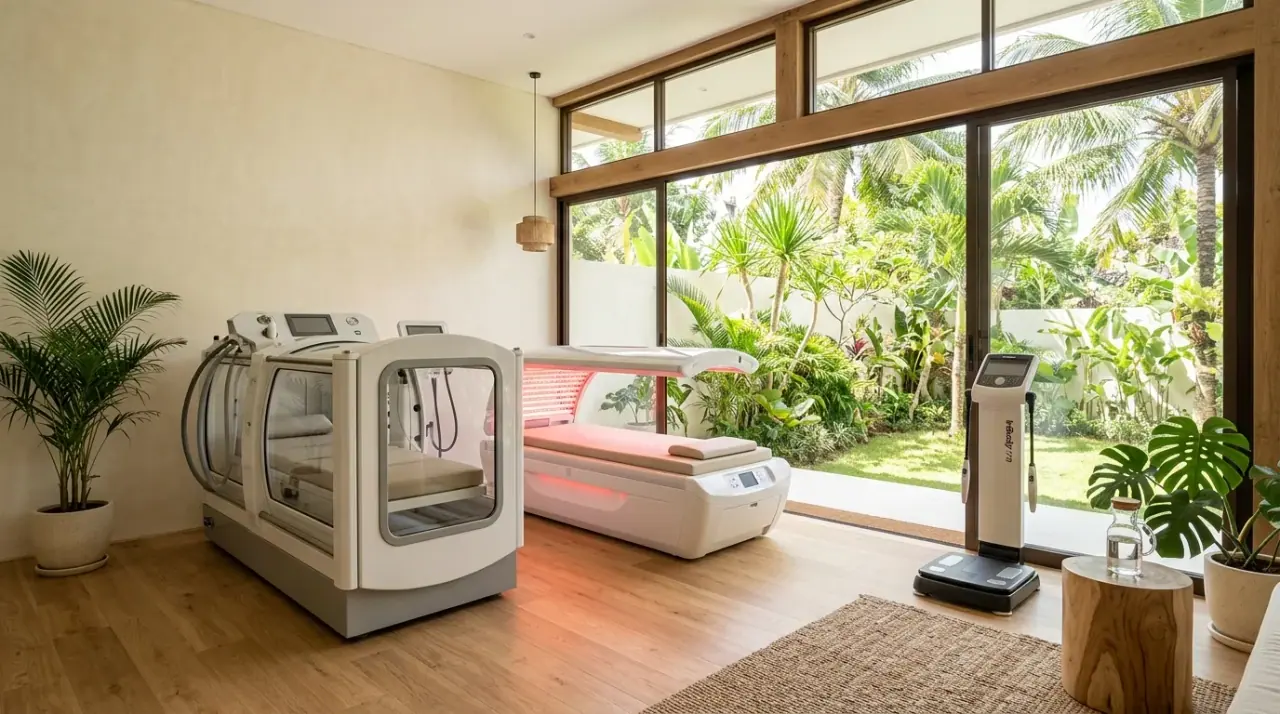
Longevity clinic in Bali: equipment and operating checklist
An equipment list works only when it fits the services, team and premises. Start with what clients will receive, who is qualified to deliver it and how the service will be operated. This checklist is a planning aid, not a report of verified clinic returns or a substitute for Indonesian licensing advice.
Read the guide →
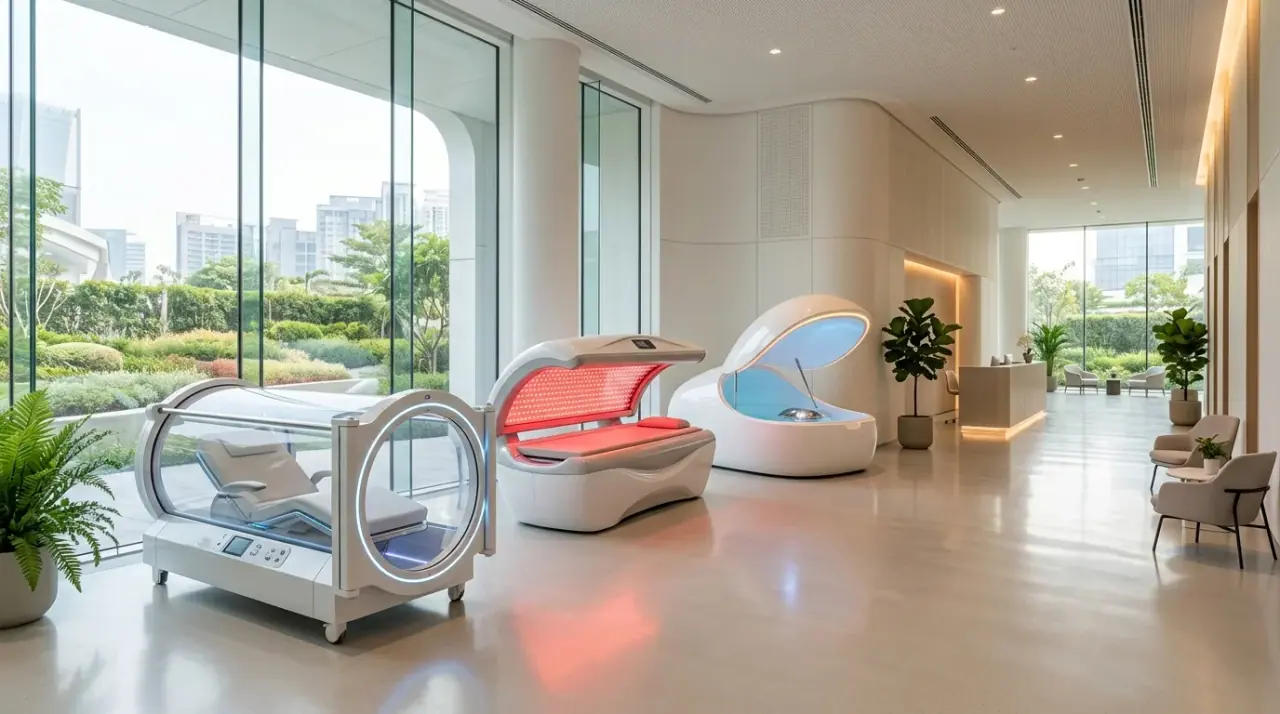
10 wellness equipment types to compare for a new project
This is a comparison checklist, not a sales ranking or evidence that ten technologies extend lifespan. Some options support an everyday routine; others require clinical assessment and a much more demanding operating setup. Select only the functions your project can explain and deliver.
Read the guide →
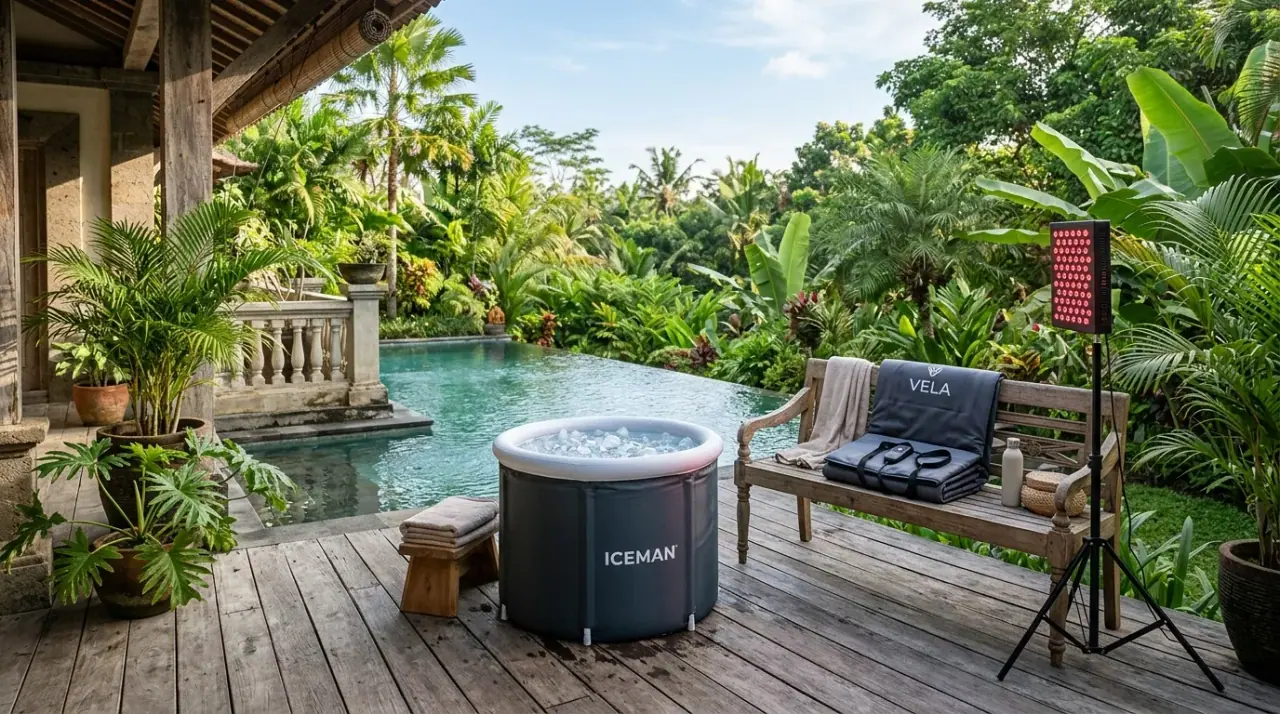
A home wellness setup for a Bali villa: space and priorities
A good home setup is easy to reach, use and put away. Begin with one clear routine and check the space before adding more devices. This guide helps compare a portable option, a fixed installation and a dedicated room without assuming that every home needs a full treatment menu.
Read the guide →
More articles (4)
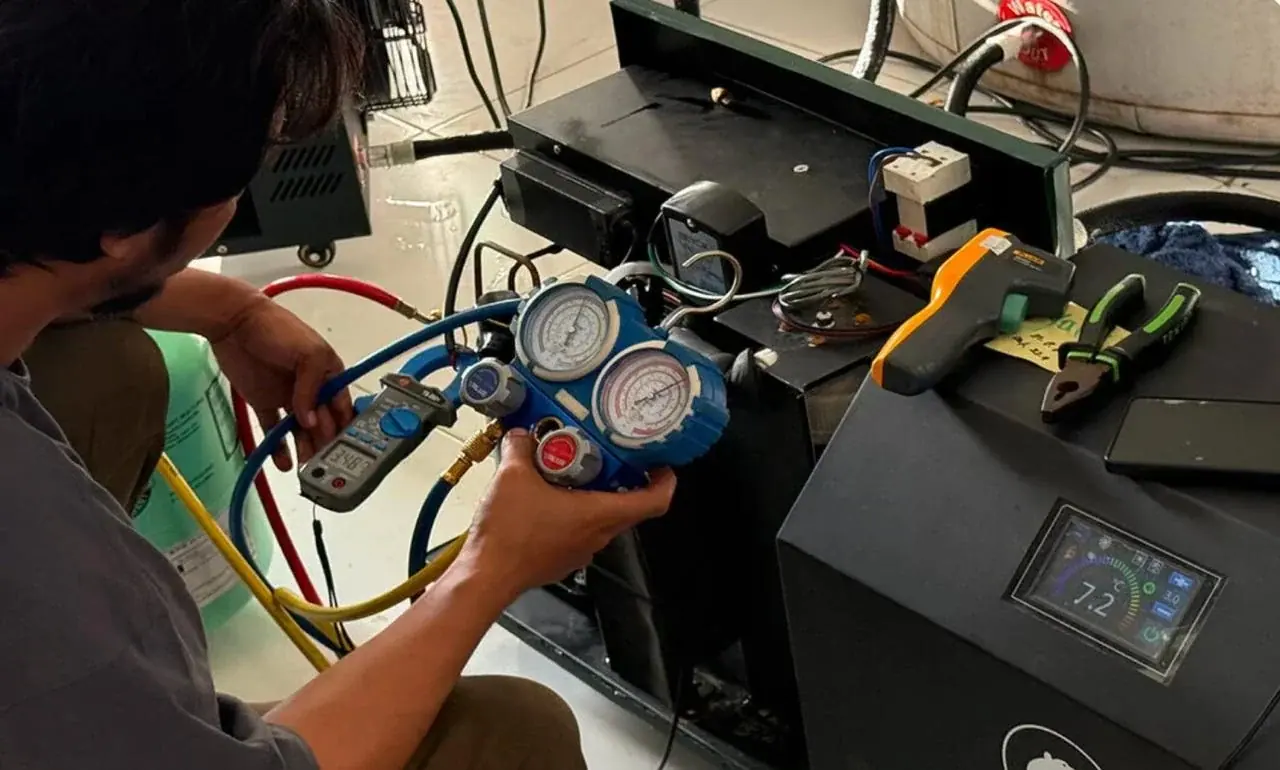
Ice or a chiller for your ice bath in Indonesia?
Ice can suit occasional use; a compatible chiller can simplify repeated temperature control. Compare preparation time, storage, water care and ownership cost before choosing.
Read the guide →
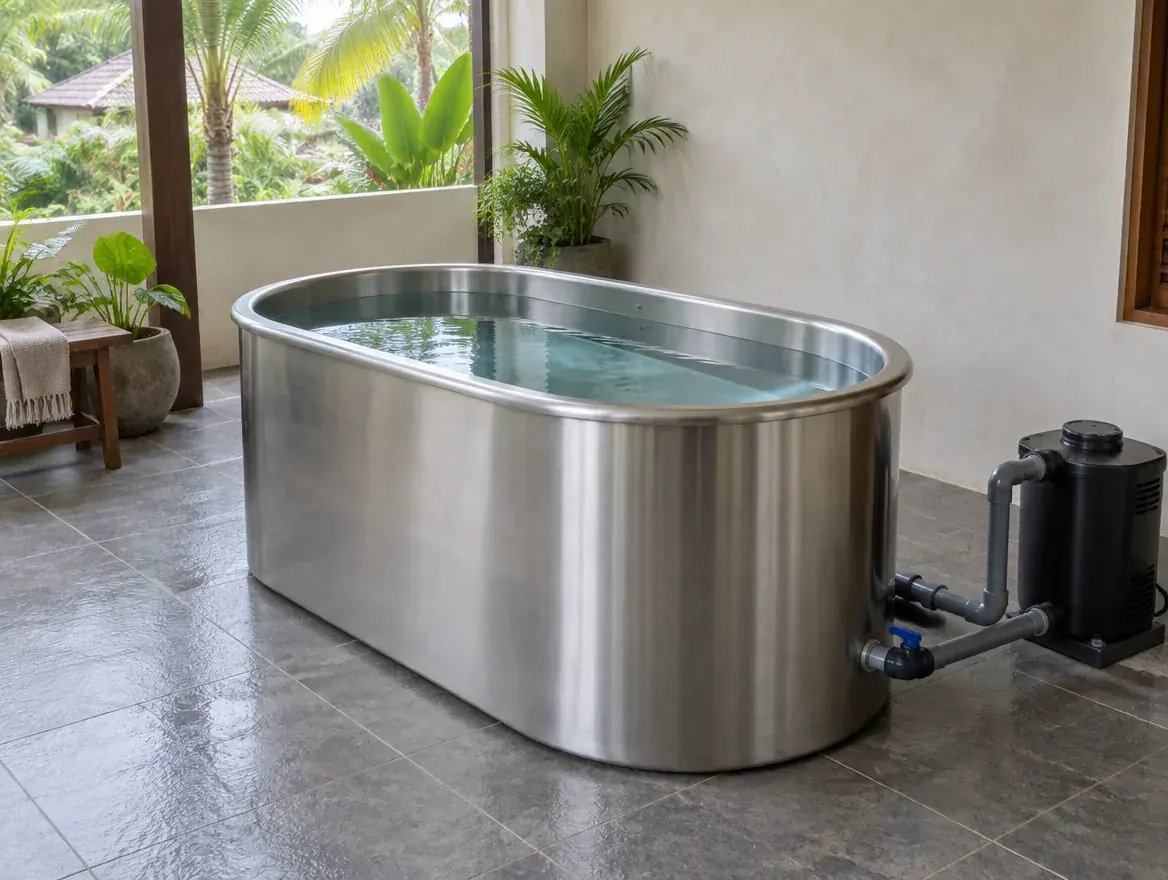
Cold plunge maintenance: water, filters and service access
An ice bath needs a maintenance plan matched to its model and users. Filtration, surface cleaning and water treatment do different jobs; a fixed universal water-change interval is not a reliable buying promise.
Read the guide →
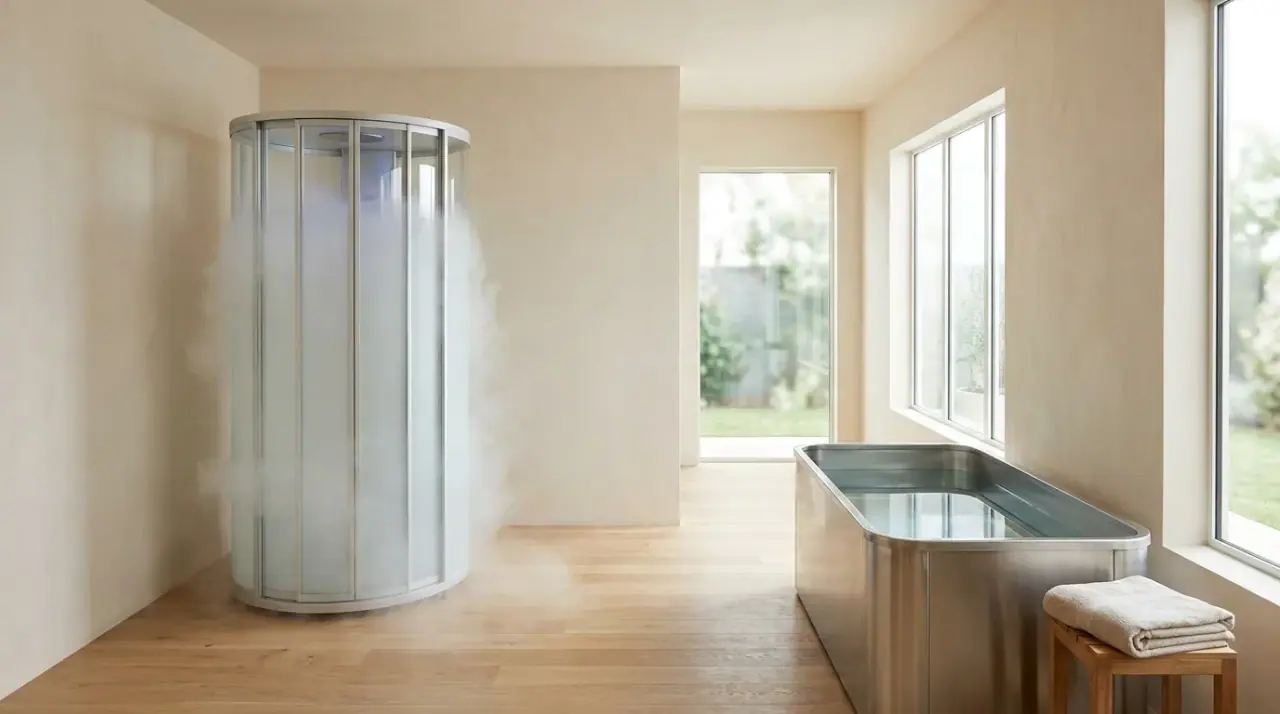
Cryotherapy chamber or cold plunge: planning a Bali wellness space
A cold plunge and a cryotherapy chamber are different systems, not interchangeable versions of the same treatment. Compare the operating setup and responsibilities before the purchase price.
Read the guide →
Cold plunge prices in Indonesia: tub, chiller and running costs
An ice bath budget depends on whether you are buying a tub alone, a cooling unit or a complete setup. Compare the same scope before comparing prices.
Read the guide →
Planning equipment for your space?
Tell us your city and the equipment you are considering. We will help compare configurations and prepare a quotation.
Chat on WhatsApp