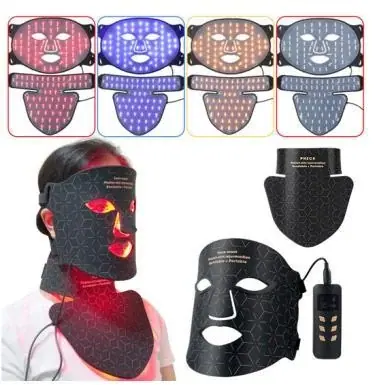
Red, blue and yellow LED masks: different questions, different evidence
September 30, 2026 · 3 min read
Updated: 2026-09-30
A mask with more colours is not automatically a better skin-care device. Each mode needs a defined wavelength, output and intended use. Start with your actual concern, then look at research relevant to that concern. Not every LED mask includes red, blue and yellow, and a colour shown on a controller may not describe the full emitted spectrum.
Published by Five Elements · wellness equipment supplier
What is red light usually being studied for?
Cosmetic red-light studies often examine visible skin ageing rather than every skin problem. For example, a randomized red-versus-amber study measured periocular wrinkles. It should be read as evidence about particular exposures and outcomes, not as a ranking of all red and yellow masks. A mode name such as “rejuvenation” does not tell you whether the exact device was tested.
What can blue or blue-plus-red light do for acne?
Dermatology guidance discusses visible-light devices for some inflammatory pimples. That does not extend to every blemish or acne type: blackheads, deeper lesions and scarring require different decisions. If acne is persistent or leaving marks, choosing another colour mode is not a substitute for a treatment assessment. A home mask is also different from a clinical procedure using an added photosensitizing medication.
Why do reviews sound more cautious than advertisements?
The Cochrane review found substantial differences between light-treatment studies and uncertainty in the evidence. It covered a broader range of treatments than consumer LED masks alone. Its findings neither prove that every mask fails nor justify a promise of acne clearance. When reading a newer individual study, check the comparison group, follow-up, adverse events and whether the improvement mattered to participants.
Is there evidence for yellow or amber light?
There is emerging research, but the boundaries are important. A small randomized 2026 study assessed 590 nm light, alone or combined with red, in people selected for sensitive skin. Selected measures improved. That is not evidence that all yellow modes treat rosacea, acne or every cause of redness. One small trial is a reason for further investigation, not a universal recommendation.
What makes a comparison between masks meaningful?
Request the actual wavelengths and which channels run together. Compare coverage, fit, documented output, eye protection and instructions before comparing the number of colours. Ask whether the quoted evidence concerns the complete device, a similar device or only a general technology. An all-colours setting is not inherently the most useful setting, and changing modes repeatedly makes a routine harder to assess.
Which questions should you take to a consultation?
Describe the main concern, current skin care and any previous reaction to light devices. Ask which mode is relevant and what realistic progress would look like. Bring the proposed model manual so a clinician can assess the actual product rather than a generic “LED mask”. In the catalogue, check each model separately: face coverage, neck coverage and available spectra vary, even when the products look similar.
Choose equipment
Research and sources
About this guide and its sources
Five Elements publishes these guides to help compare equipment and plan its use. Research findings apply to the devices, participants and conditions studied. Model specifications and operating instructions must be checked for the version offered. Any individual treatment decision belongs with an appropriately qualified professional.
Dates above identify publication and substantive updates. Linked sources let you inspect the evidence; catalogue cards show current equipment prices. To report an error or request a model document, contact Five Elements with the page address and equipment name.
Benefits, evidence and practical guides
How to build an LED mask routine around the actual device
A useful LED mask routine begins with the manual supplied for that exact model. The duration in a study, a social-media routine and a timer on a different mask are not interchangeable. The same applies to panels, neck devices and body wraps: each format has its own positioning and operating requirements.
Read the guide →

Red and near-infrared light for skin: what does the research show?
Red-light skin care has a research basis, but the useful question is narrower than “does red light work?” Ask which skin concern, which device and which measured outcome were studied. A colour or wavelength alone cannot tell you how a different mask or panel will perform.
Read the guide →
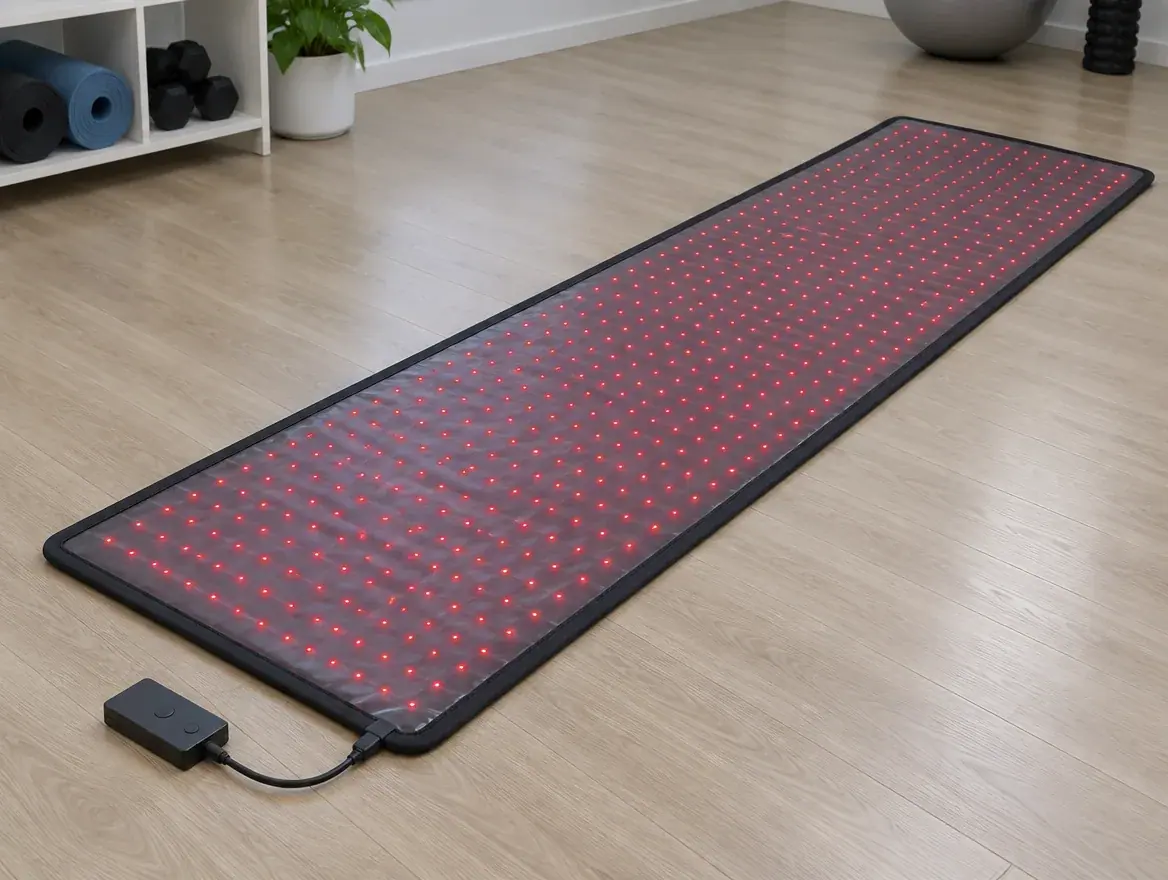
How to choose red light equipment: panels, belts and mats
Start with the area you want to cover and where the device will stand or fasten. Then compare wavelength, measured light output and the complete kit. A larger wattage number alone is not enough to compare prices in Indonesia.
Read the guide →
More articles (7)
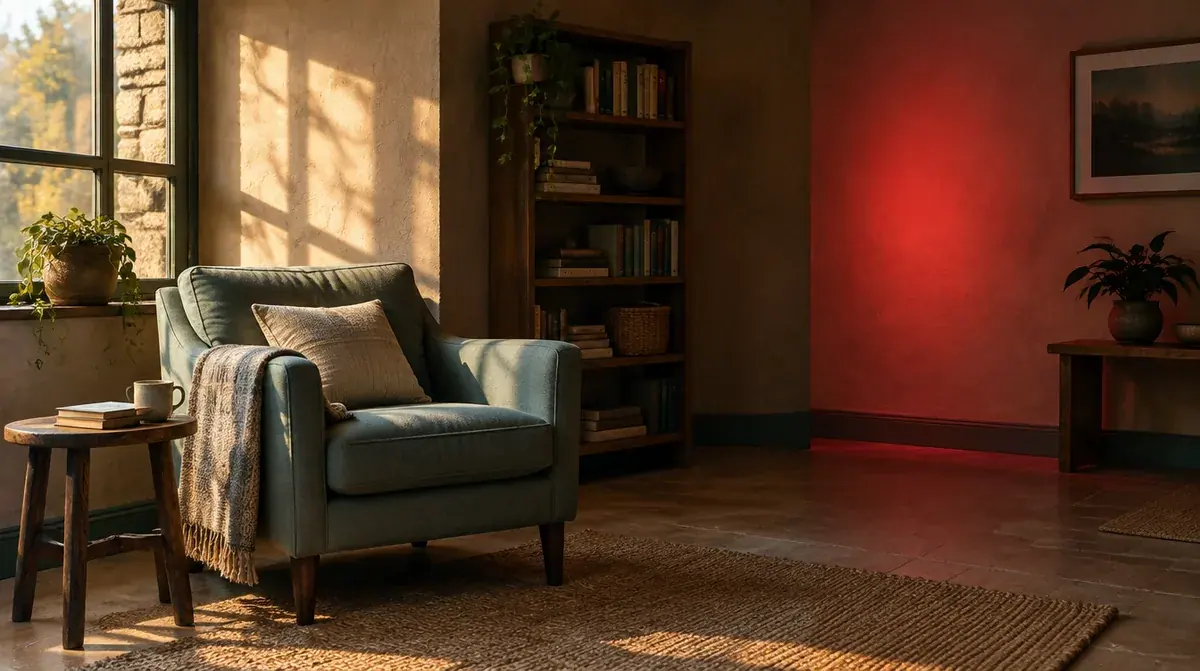
Infrared heat lamps and red-light panels: why they are different
An infrared heat lamp and a red-light LED panel may both produce a reddish glow, but that does not make them the same treatment. A thermal lamp is selected for controlled warming. Photobiomodulation equipment is designed around a specified light exposure. Understanding that difference prevents an expensive mismatch between the equipment and the intended use.
Read the guide →
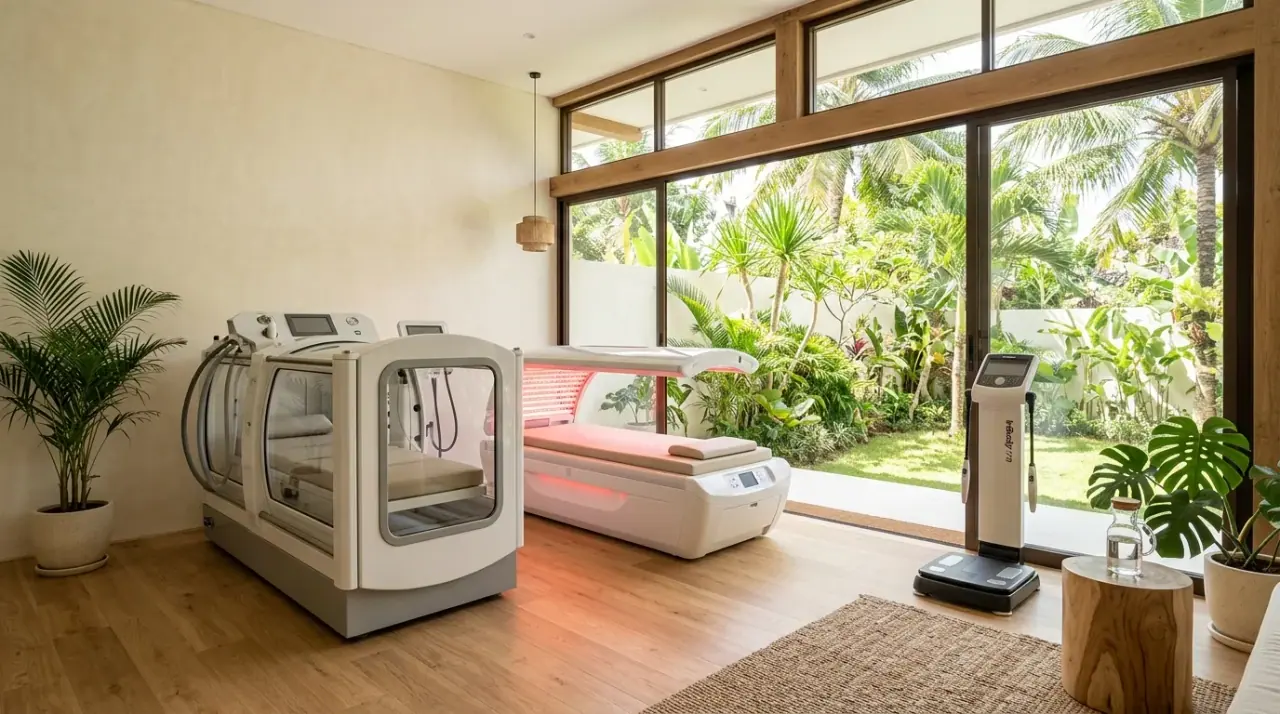
Longevity clinic in Bali: equipment and operating checklist
An equipment list works only when it fits the services, team and premises. Start with what clients will receive, who is qualified to deliver it and how the service will be operated. This checklist is a planning aid, not a report of verified clinic returns or a substitute for Indonesian licensing advice.
Read the guide →
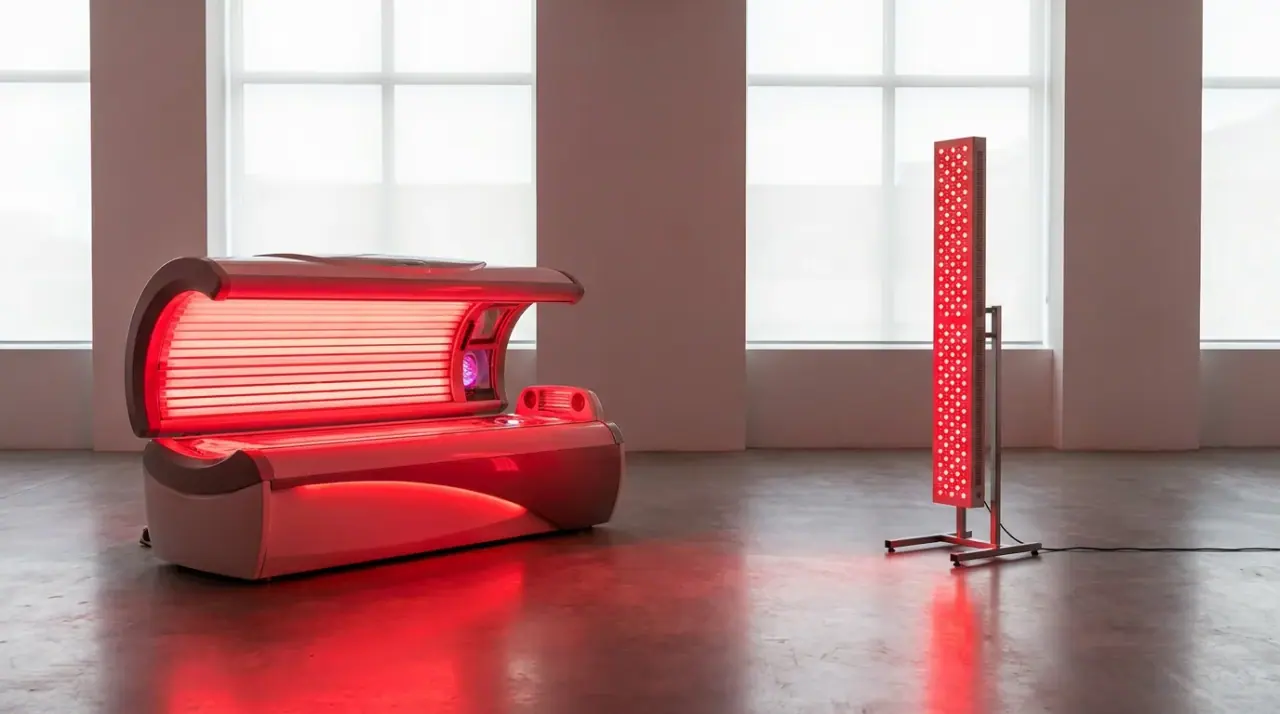
Red-light bed vs panel: coverage, comfort and running costs
A red-light panel is easier to position around a selected area. A bed offers a lying format and a different illumination layout. Choose by the space, intended use and actual device specification; neither shape establishes a stronger treatment or a better return on investment.
Read the guide →
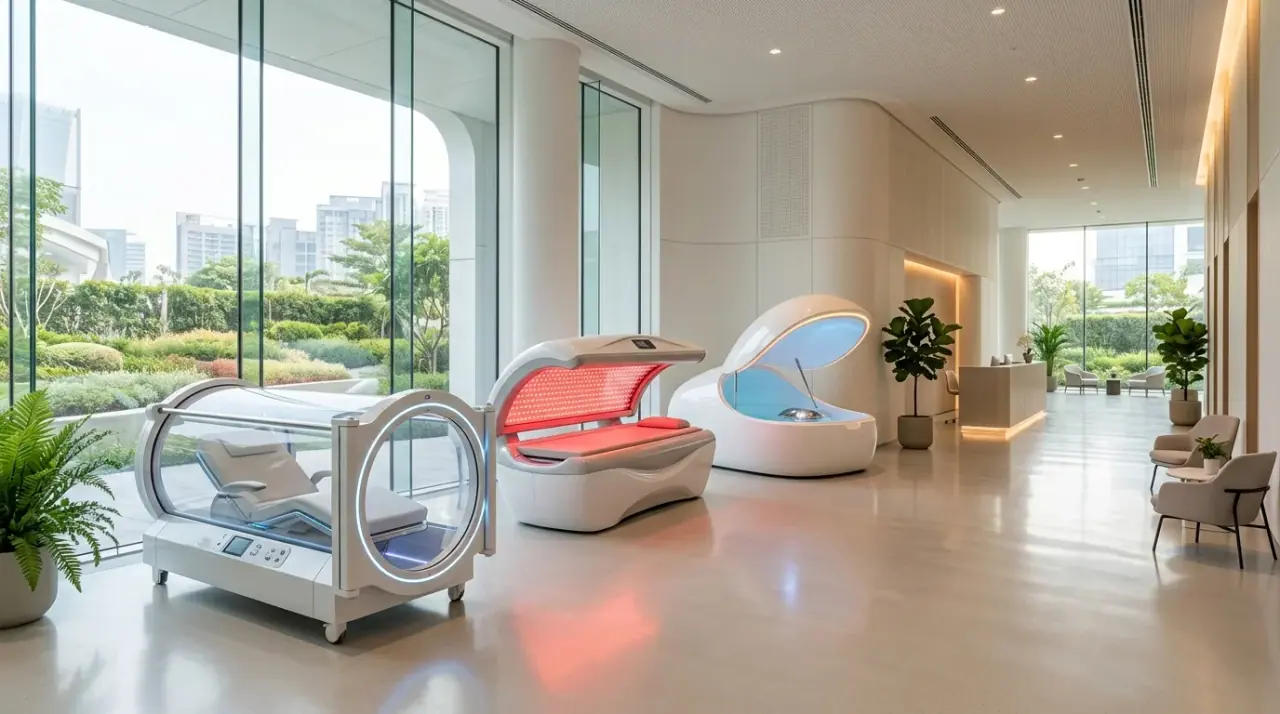
10 wellness equipment types to compare for a new project
This is a comparison checklist, not a sales ranking or evidence that ten technologies extend lifespan. Some options support an everyday routine; others require clinical assessment and a much more demanding operating setup. Select only the functions your project can explain and deliver.
Read the guide →
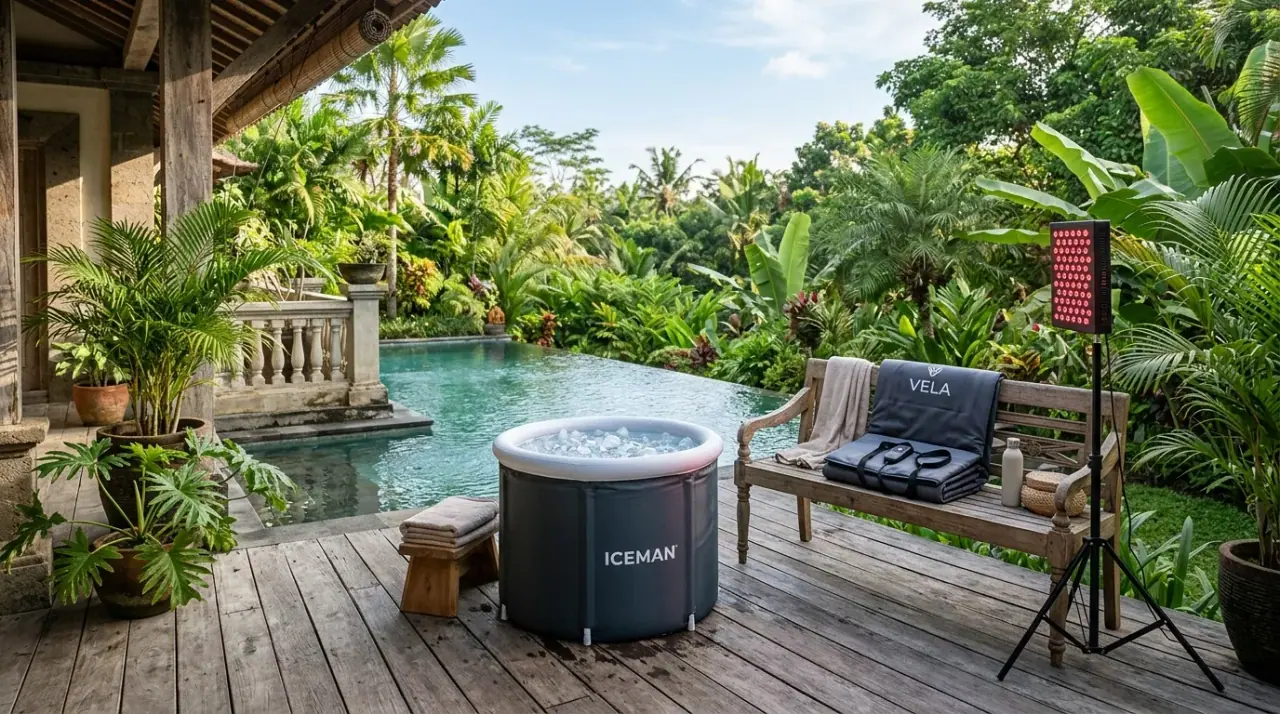
A home wellness setup for a Bali villa: space and priorities
A good home setup is easy to reach, use and put away. Begin with one clear routine and check the space before adding more devices. This guide helps compare a portable option, a fixed installation and a dedicated room without assuming that every home needs a full treatment menu.
Read the guide →
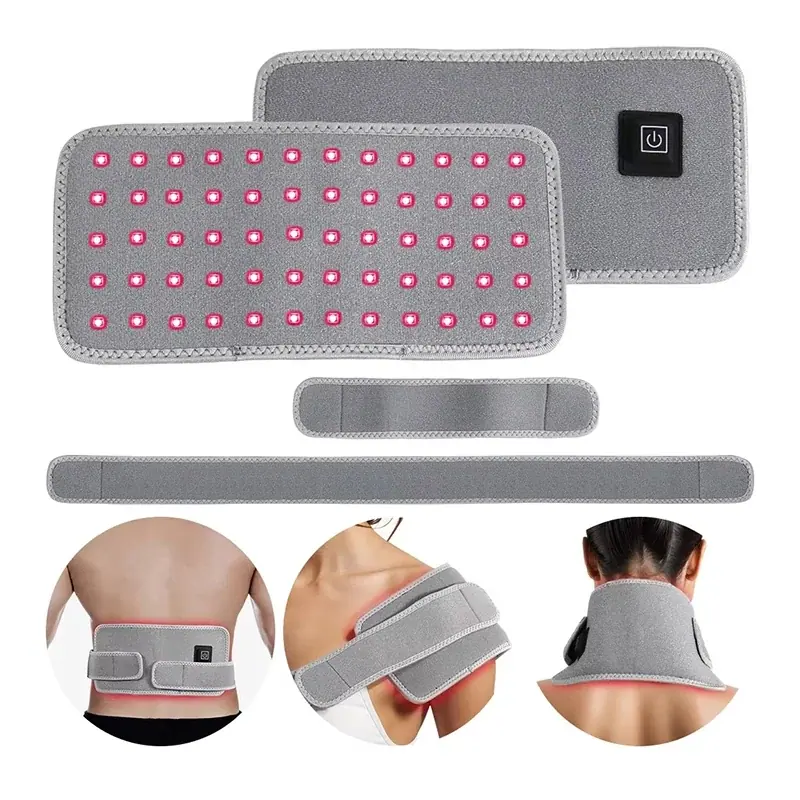
Portable red light: USB pad or battery-powered panel?
Portable red light equipment can work in two different ways: a pad may need a cable and an external power bank throughout use, while a handheld panel may have its own rechargeable battery. Before comparing LED counts, decide which arrangement fits your routine. Both can be small enough to pack, but they are not equally convenient in every setting.
Read the guide →
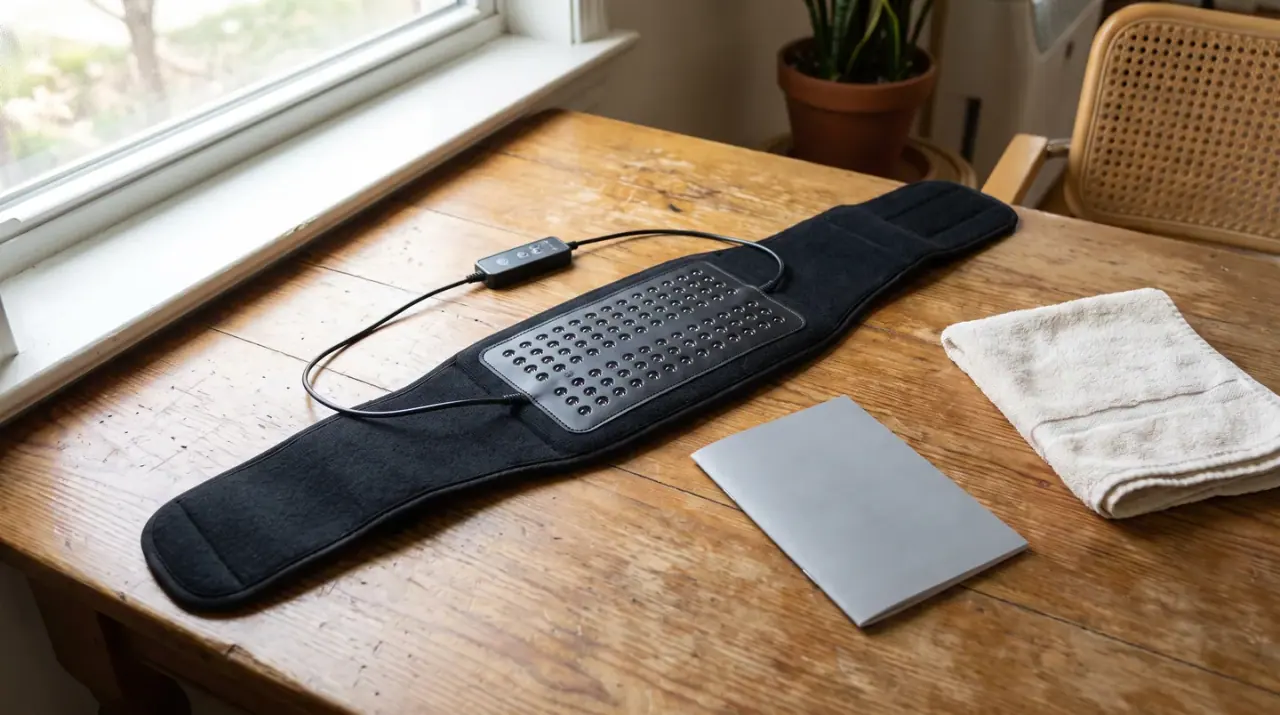
PEMF, EMS and red light: different equipment, different functions
A heated mat, a red-light belt and a muscle-stimulation machine may all appear in the same wellness catalogue, but they do not perform the same job. Compare the physical function first, then the format, settings and documented specification. A combined product needs a separate specification for each function.
Read the guide →
Planning equipment for your space?
Tell us your city and the equipment you are considering. We will help compare configurations and prepare a quotation.
Chat on WhatsAppEquipment mentioned in this article
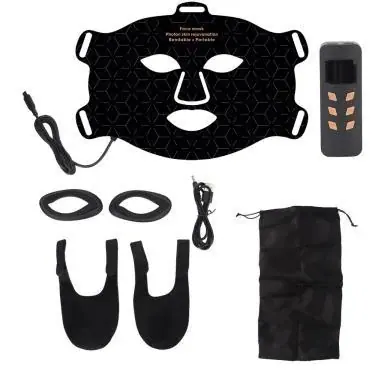 Select a configuration
Aesthetics & Skin
Five Elements Luma Face Dawn — LED Face Mask
Red-light facial care for smoother-looking texture and fine-line concerns, in a soft adjustable mask.
Rp 5.938.479
≈ $335.28 · Per unit