Red light panel prices in Indonesia: compare the complete setup
October 5, 2026 · 4 min read
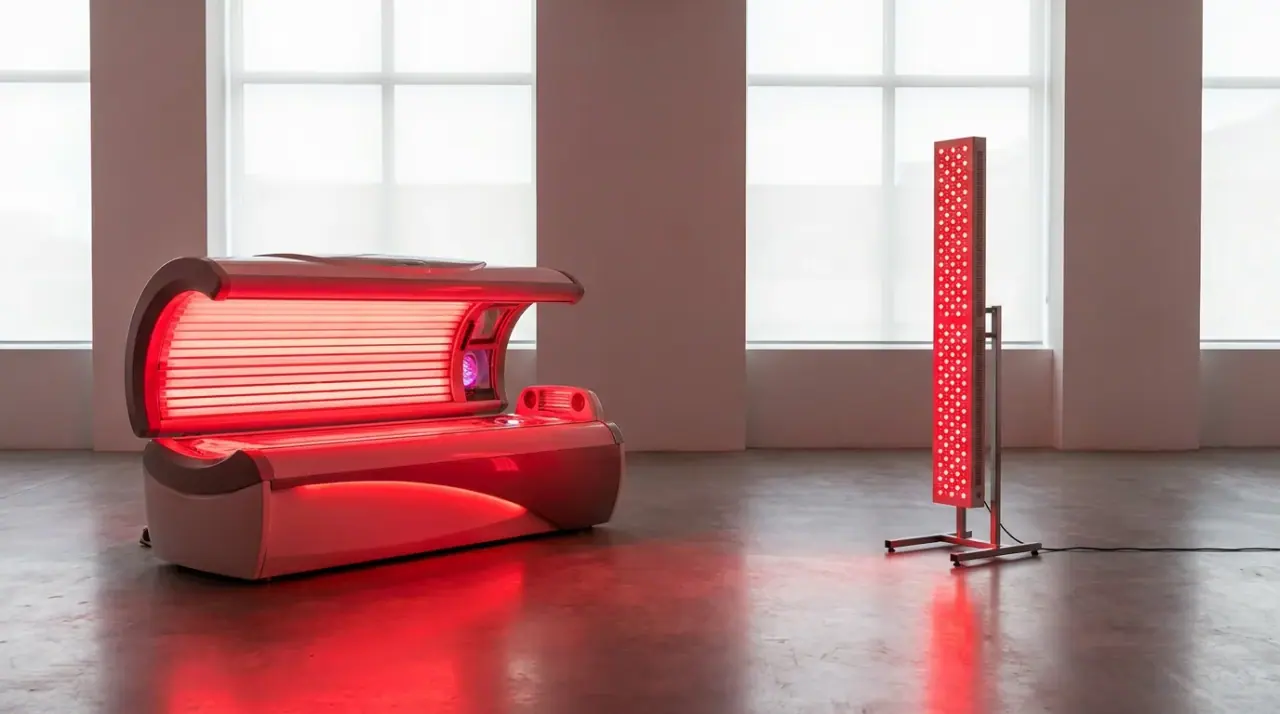
Illustration of different light-equipment formats; it does not show the quoted models.
The useful price comparison is a panel in a usable setup: suitable coverage, a compatible mount and clear instructions. The catalogue prices below come from the same price records as the product cards. They are equipment prices; the quotation should confirm accessories, delivery and any installation work.
Published by Five Elements · wellness equipment supplier
| Equipment | Price / budget, IDR |
|---|---|
| Five Elements Luma Panel Arc — Red and Near-Infrared Light Panel | Rp 8.170.191 |
| Five Elements Luma Panel Panorama — Red and Near-Infrared Light Panel | Rp 13.536.927 |
| Five Elements Luma Panel Atlas — Red and Near-Infrared Light Panel | Rp 17.203.311 |
| Five Elements Luma Support Roll — panel sold separately | Rp 9.923.679 |
Equipment prices refer to the listed configuration. Ranges are planning budgets. Confirm delivery, installation and availability in the quotation.
Three panel sizes, three different space decisions
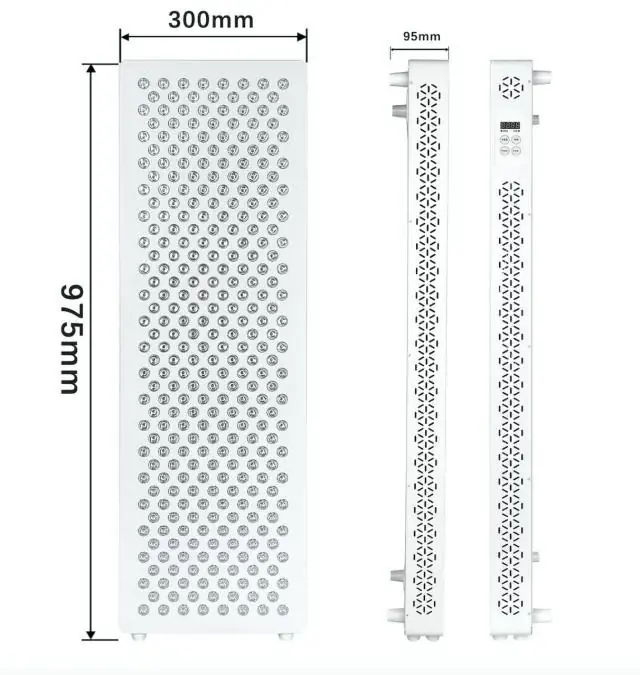
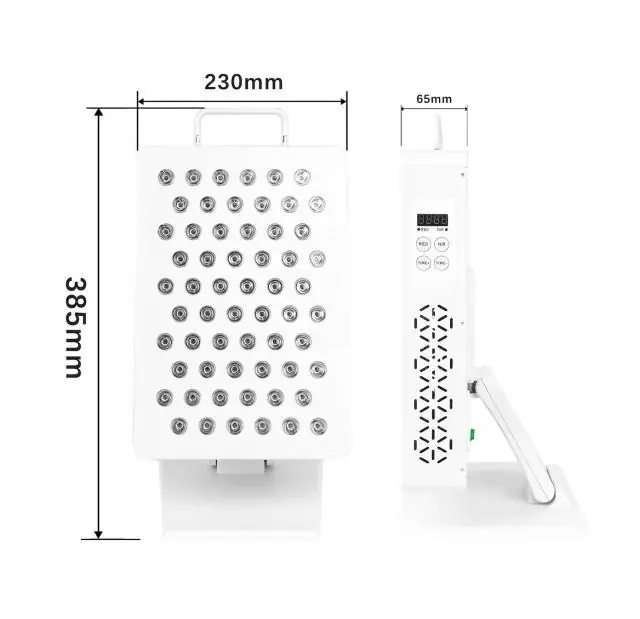
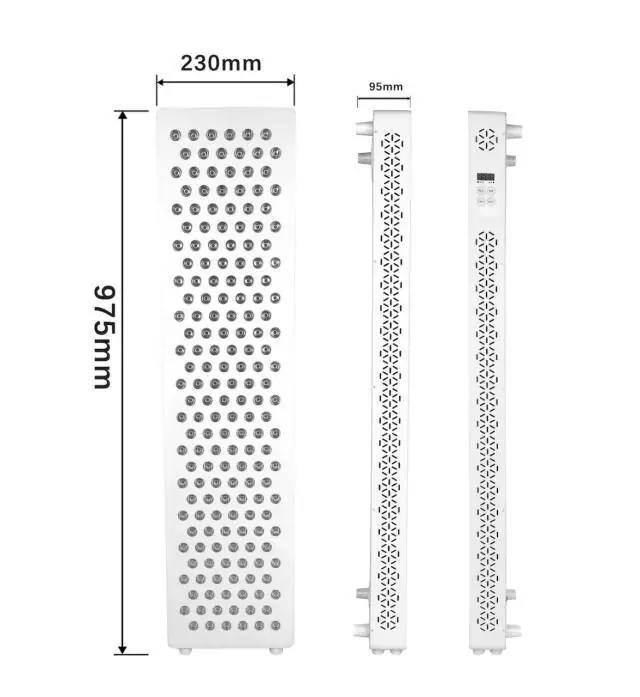
Luma Panel Arc has a 385 × 230 × 65 mm body. It is the compact option in this comparison when storage and positioning matter. Luma Panel Panorama is 975 × 230 × 65 mm, giving a taller, narrow format. Luma Panel Atlas keeps the 975 mm height and increases the width to 300 mm. Measure the position where you will actually stand or sit, including access to the controls.
These dimensions describe the housing, not a verified illuminated body area at every distance. The three catalogue entries list 630, 660, 810, 830 and 850 nm. Matching wavelength lists do not establish equal output, dose or treatment results.
Which price includes the stand?
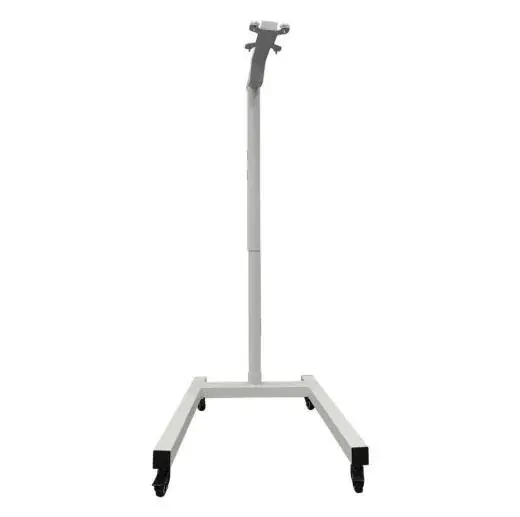
Luma Support Roll is a wheeled support for a compatible panel; the light panel is sold separately. A low price for a support accessory should never be compared with a complete light device. Confirm the mounting interface, load rating and allowed orientation for your selected panel before adding the stand.
Ask for an itemised configuration: panel, support or wall bracket, controller, power connection, required eye protection and delivery scope. A remote listed as optional is not automatically included. A wall installation also needs a suitable fixing surface and a safe cable route.
How to compare a cheaper and a larger panel
Start with the intended area and available space. A larger casing is useful only if the usable light field fits the person and the instructed working distance. For a narrow room, the footprint of the stand and room to move around it can matter more than panel height.
Request irradiance with the measurement distance and method, operating instructions and the list of included components. LED count, advertised watts and the brightness seen in a photograph cannot substitute for comparable output measurements. If measurements are missing, treat output as unconfirmed rather than calculating a supposed value per therapeutic watt.
Home purchase or shared studio station?
At home, check whether you can position the panel without moving furniture every time and where it will be stored. For a studio, map setup, client entry, use, cleaning and changeover as a complete appointment. The purchase price alone does not tell you how many appointments the room can safely support.
Identify who will explain the controls, inspect the mount and manage equipment cleaning. Confirm the offered model’s permitted use and warranty for shared operation. No panel in this comparison is promised to deliver a fixed medical outcome or a guaranteed return on investment.
Send one brief for a comparable quotation
Send your city, the panel models you are considering, standing or seated use, available room dimensions and preferred mounting. Request a single total with exclusions written beside it. If you already own a stand, provide its model and mounting details; appearance alone does not prove compatibility.
Use the current product cards for prices and the red-light selection hub for other formats. A face mask, flexible mat and panel solve different positioning problems, so compare them only after deciding where and how the equipment will be used.
Choose equipment
Research and sources
About this guide and its sources
Five Elements publishes these guides to help compare equipment and plan its use. Research findings apply to the devices, participants and conditions studied. Model specifications and operating instructions must be checked for the version offered. Any individual treatment decision belongs with an appropriately qualified professional.
Dates above identify publication and substantive updates. Linked sources let you inspect the evidence; catalogue cards show current equipment prices. To report an error or request a model document, contact Five Elements with the page address and equipment name.
Planning a purchase in Indonesia
Before comparing quotations, agree who is responsible for model documents, import arrangements and site preparation. Market research can inform a business plan, but does not establish demand for an individual location.
Benefits, evidence and practical guides
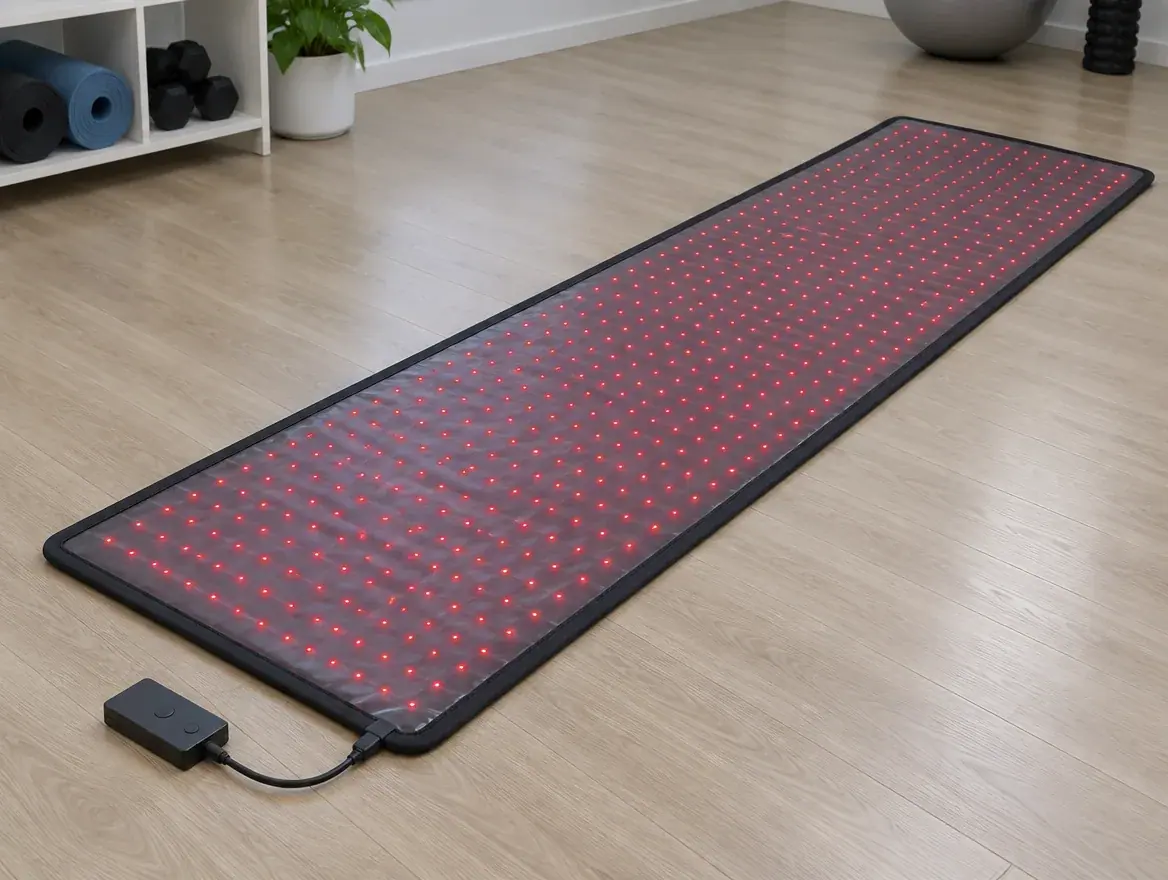
How to choose red light equipment: panels, belts and mats
Start with the area you want to cover and where the device will stand or fasten. Then compare wavelength, measured light output and the complete kit. A larger wattage number alone is not enough to compare prices in Indonesia.
Read the guide →
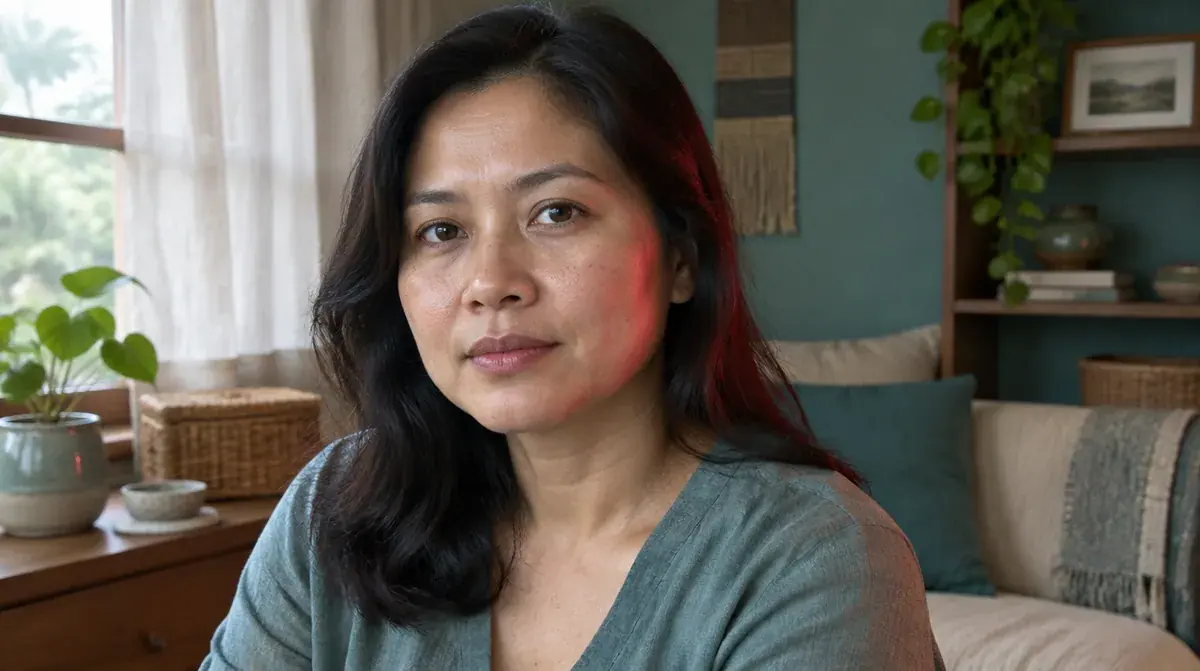
Red and near-infrared light for skin: what does the research show?
Red-light skin care has a research basis, but the useful question is narrower than “does red light work?” Ask which skin concern, which device and which measured outcome were studied. A colour or wavelength alone cannot tell you how a different mask or panel will perform.
Read the guide →
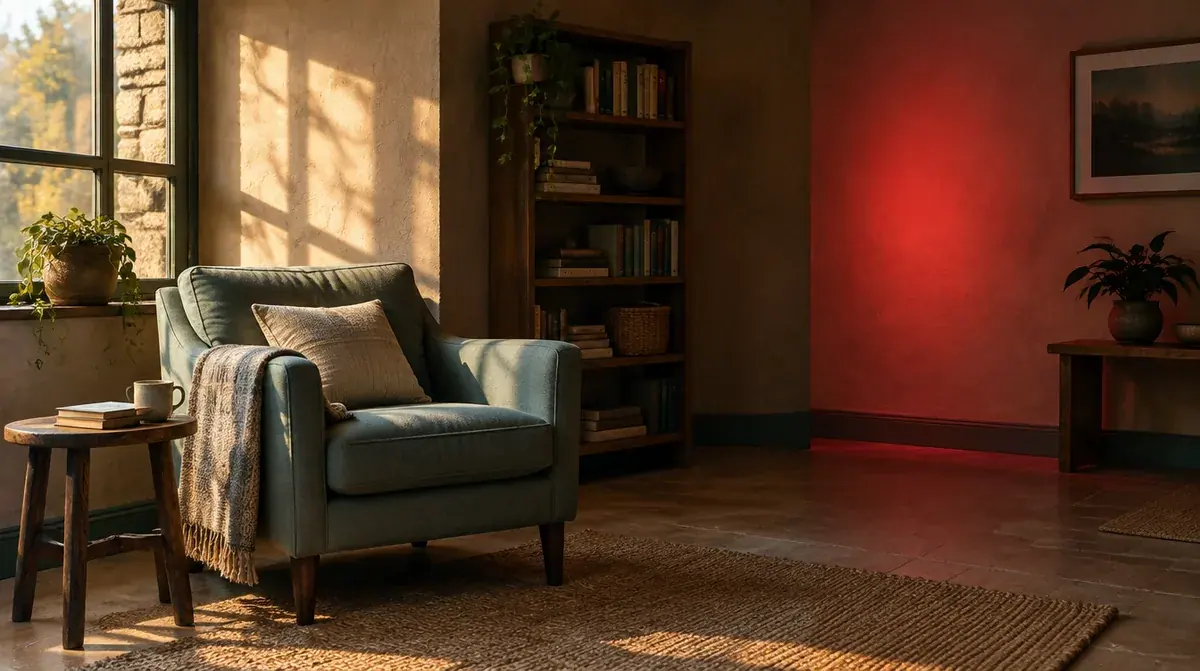
Infrared heat lamps and red-light panels: why they are different
An infrared heat lamp and a red-light LED panel may both produce a reddish glow, but that does not make them the same treatment. A thermal lamp is selected for controlled warming. Photobiomodulation equipment is designed around a specified light exposure. Understanding that difference prevents an expensive mismatch between the equipment and the intended use.
Read the guide →
More articles (8)
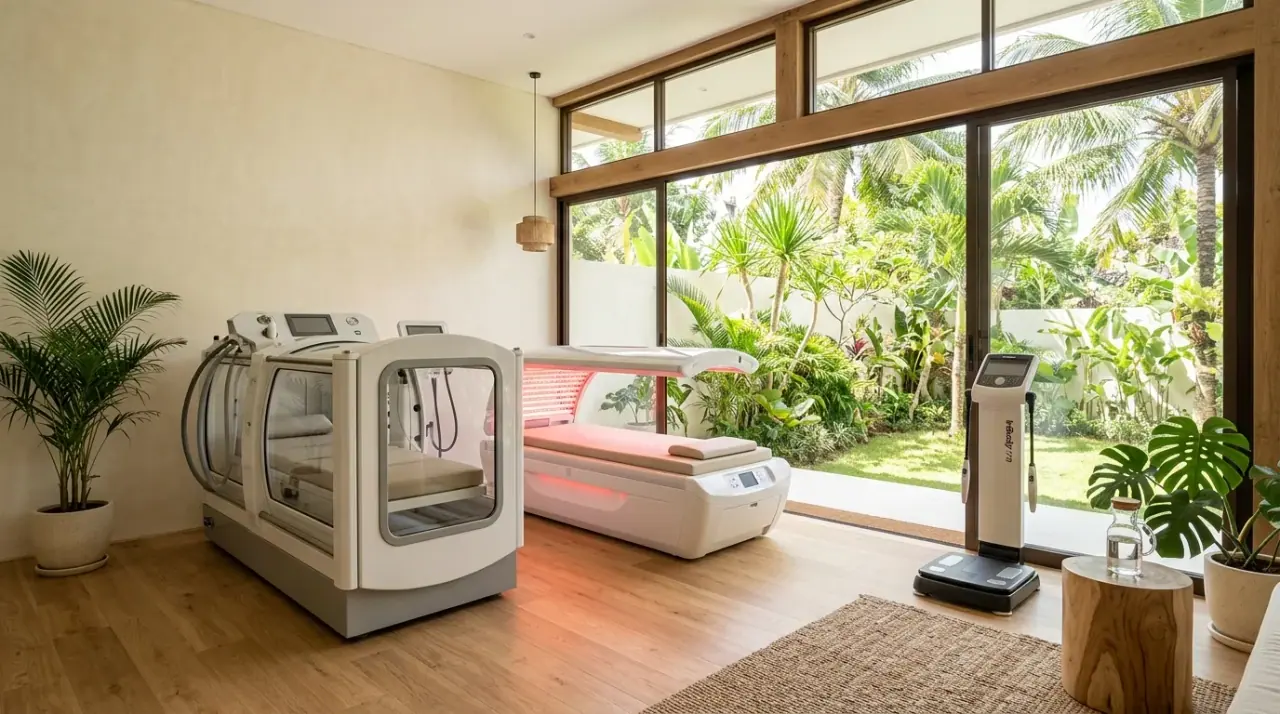
Longevity clinic in Bali: equipment and operating checklist
An equipment list works only when it fits the services, team and premises. Start with what clients will receive, who is qualified to deliver it and how the service will be operated. This checklist is a planning aid, not a report of verified clinic returns or a substitute for Indonesian licensing advice.
Read the guide →
Red-light bed vs panel: coverage, comfort and running costs
A red-light panel is easier to position around a selected area. A bed offers a lying format and a different illumination layout. Choose by the space, intended use and actual device specification; neither shape establishes a stronger treatment or a better return on investment.
Read the guide →
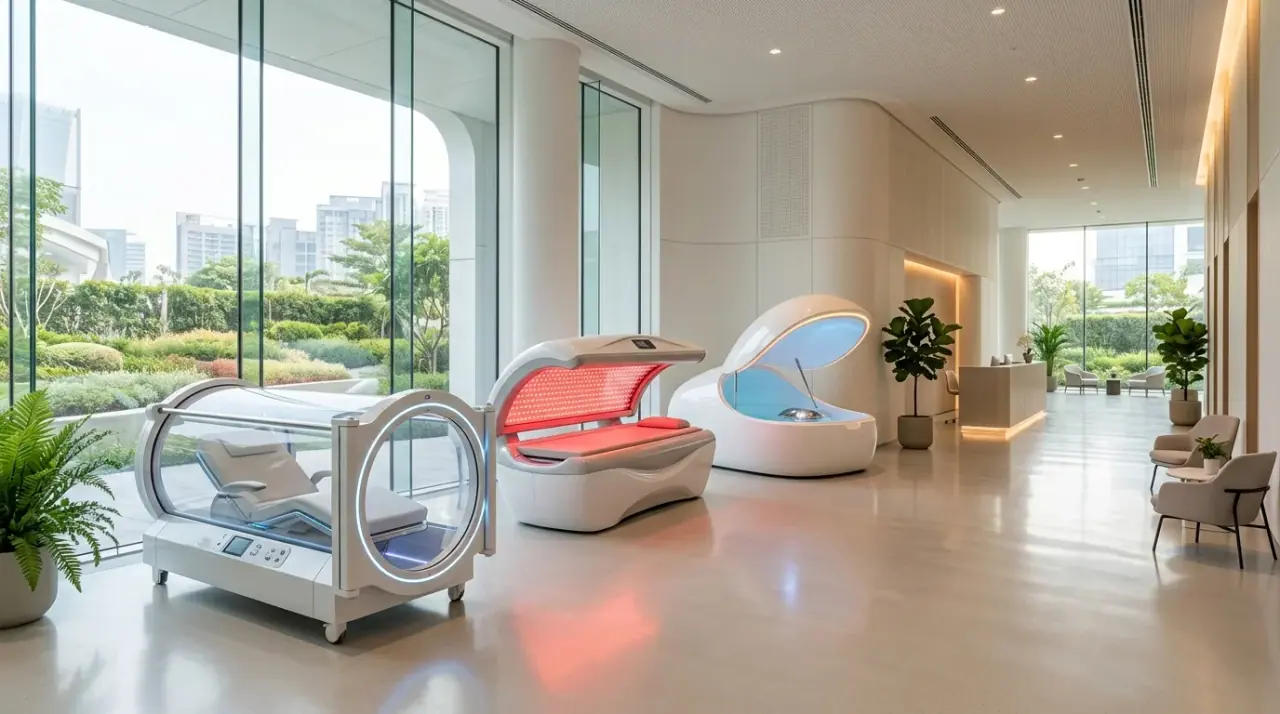
10 wellness equipment types to compare for a new project
This is a comparison checklist, not a sales ranking or evidence that ten technologies extend lifespan. Some options support an everyday routine; others require clinical assessment and a much more demanding operating setup. Select only the functions your project can explain and deliver.
Read the guide →
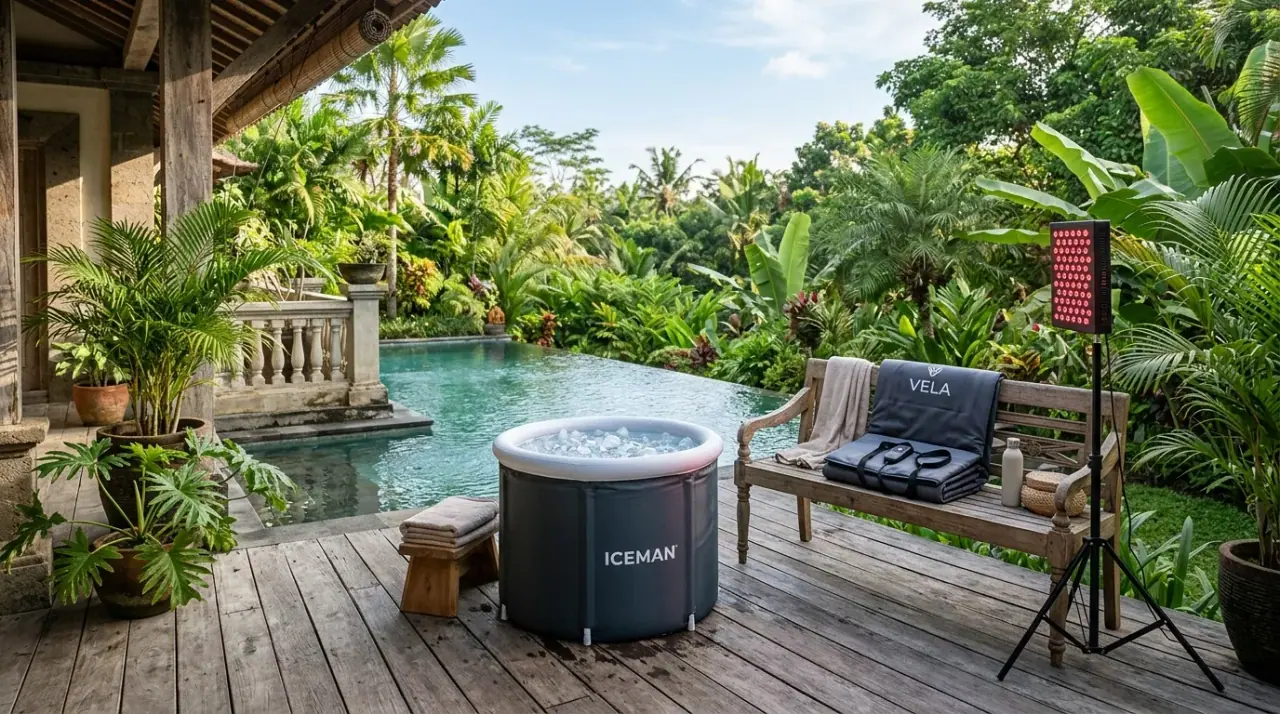
A home wellness setup for a Bali villa: space and priorities
A good home setup is easy to reach, use and put away. Begin with one clear routine and check the space before adding more devices. This guide helps compare a portable option, a fixed installation and a dedicated room without assuming that every home needs a full treatment menu.
Read the guide →
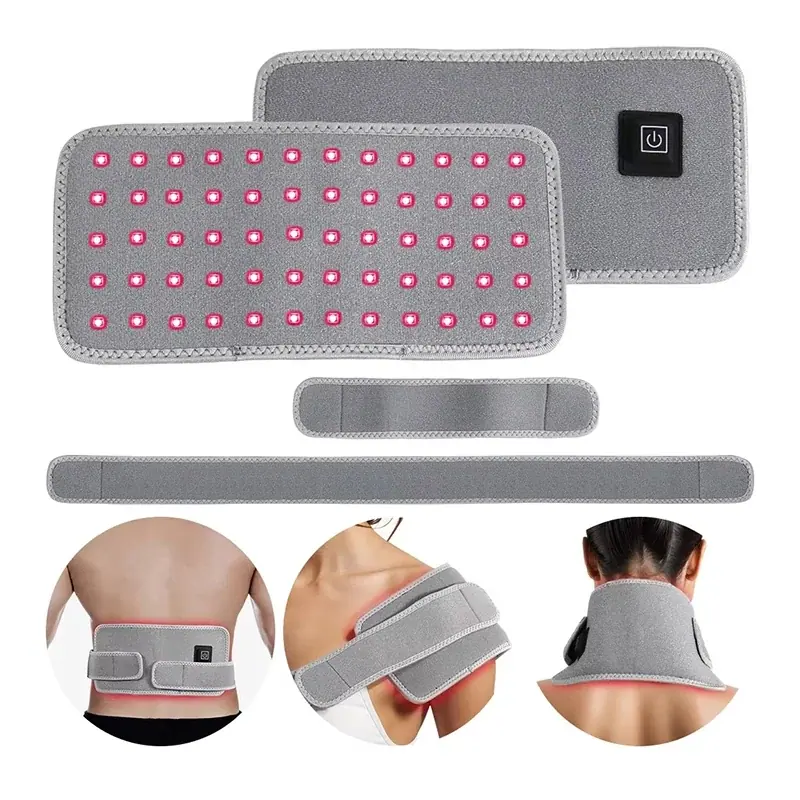
Portable red light: USB pad or battery-powered panel?
Portable red light equipment can work in two different ways: a pad may need a cable and an external power bank throughout use, while a handheld panel may have its own rechargeable battery. Before comparing LED counts, decide which arrangement fits your routine. Both can be small enough to pack, but they are not equally convenient in every setting.
Read the guide →
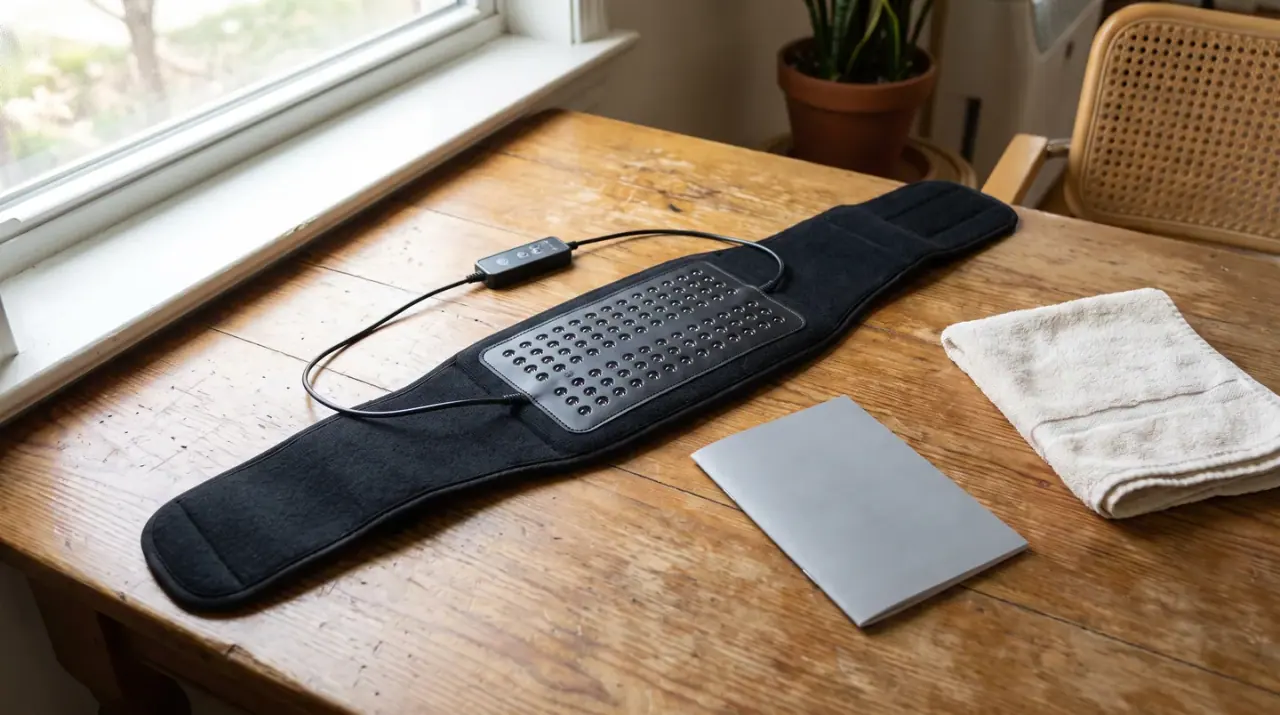
PEMF, EMS and red light: different equipment, different functions
A heated mat, a red-light belt and a muscle-stimulation machine may all appear in the same wellness catalogue, but they do not perform the same job. Compare the physical function first, then the format, settings and documented specification. A combined product needs a separate specification for each function.
Read the guide →
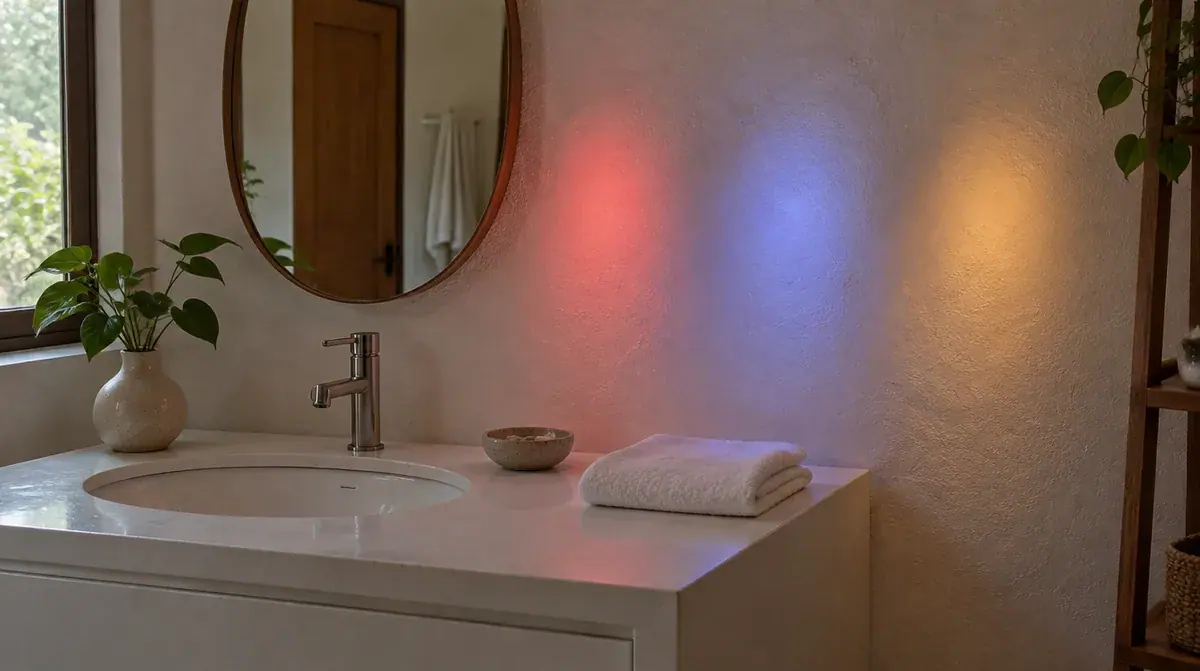
Red, blue and yellow LED masks: different questions, different evidence
A mask with more colours is not automatically a better skin-care device. Each mode needs a defined wavelength, output and intended use. Start with your actual concern, then look at research relevant to that concern. Not every LED mask includes red, blue and yellow, and a colour shown on a controller may not describe the full emitted spectrum.
Read the guide →
How to build an LED mask routine around the actual device
A useful LED mask routine begins with the manual supplied for that exact model. The duration in a study, a social-media routine and a timer on a different mask are not interchangeable. The same applies to panels, neck devices and body wraps: each format has its own positioning and operating requirements.
Read the guide →
Planning equipment for your space?
Tell us your city and the equipment you are considering. We will help compare configurations and prepare a quotation.
Chat on WhatsAppEquipment mentioned in this article
 Select a configuration
Recovery & Performance
Five Elements Luma Panel Arc — Red and Near-Infrared Light Panel
A compact way to add red light to a local skin-care routine, with session timing built in.
Rp 8.170.191
≈ $461.28 · Per unit
 Select a configuration
Recovery & Performance
Five Elements Luma Panel Panorama — Red and Near-Infrared Light Panel
Skin-care light along a taller area when installation width is limited.
Rp 13.536.927
≈ $764.28 · Per unit